6 Steps to Build a Seedling Protection Cold Frame
The first frost of spring cuts through tender leaves like a blade, collapsing weeks of careful germination in a single night. Steps for building a garden cold frame transform this vulnerability into control, creating a microclimate buffer that extends your growing season by 6 to 8 weeks on either end. A properly engineered cold frame captures solar radiation during daylight hours, stores thermal energy in its base materials, and releases that warmth gradually through cold nights, maintaining internal temperatures 10 to 20 degrees Fahrenheit above ambient air. This passive solar structure requires no electricity, no complex ventilation systems, just thoughtful construction aligned with thermodynamic principles and your hardiness zone parameters.
Materials
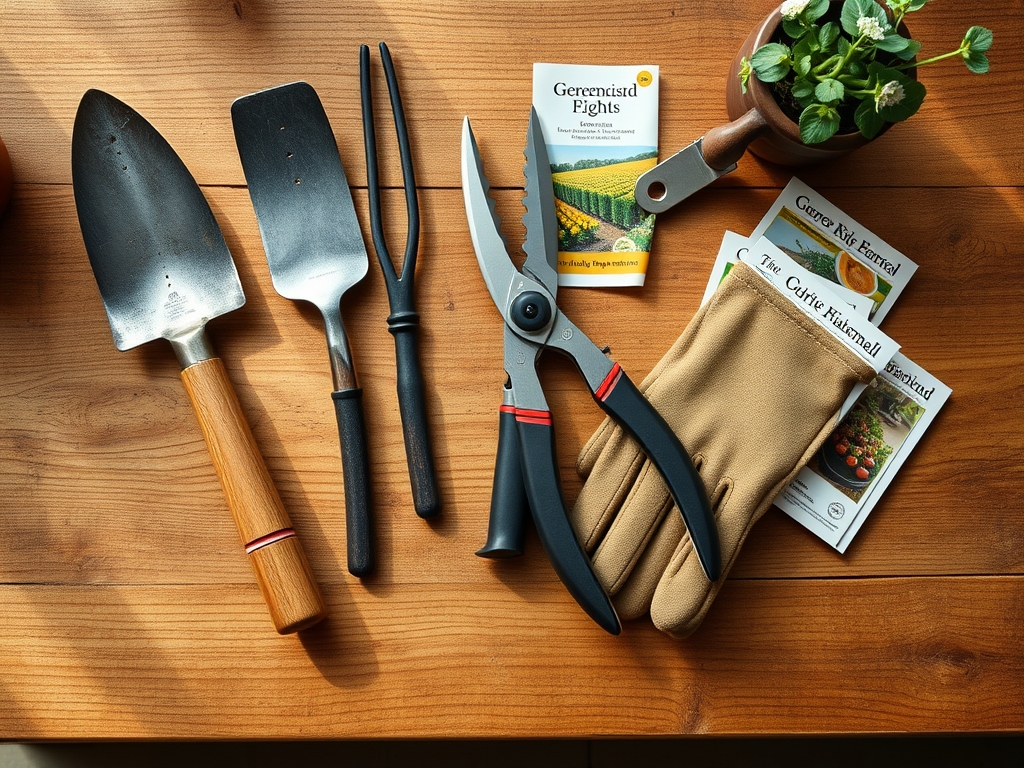
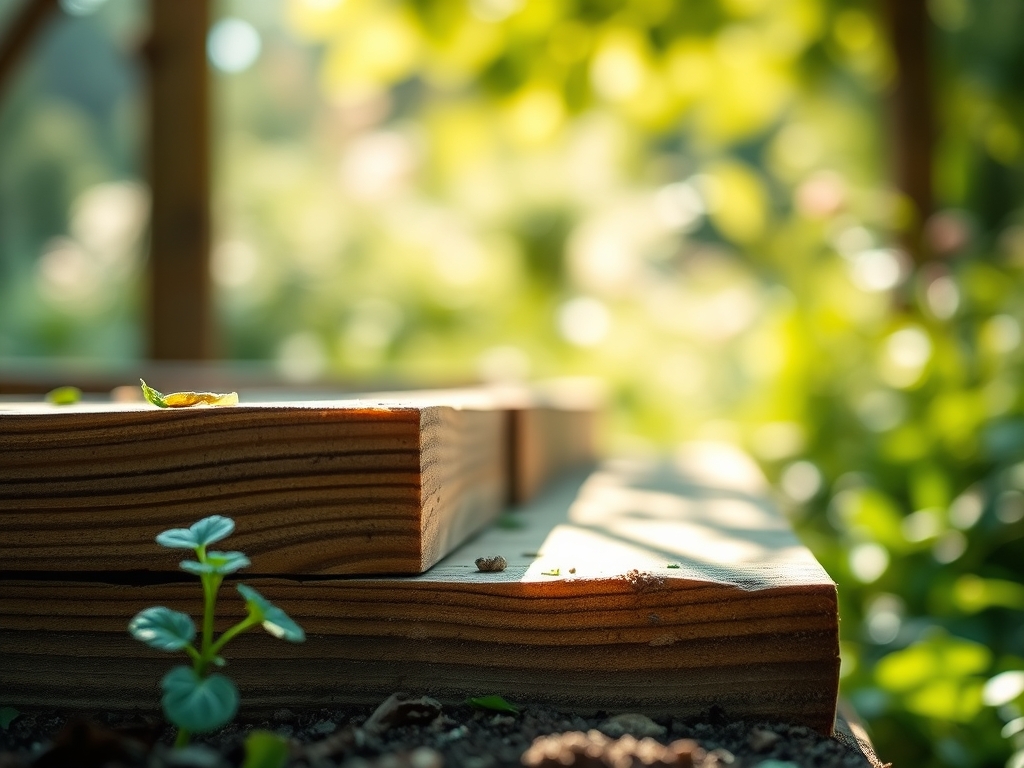
Frame lumber requires untreated cedar or redwood with natural rot resistance. Avoid pressure-treated wood near edible crops due to copper compounds that alter soil cation exchange capacity. Standard dimensions use four boards: two at 48 inches (front and back) and two at 36 inches (sides). The rear board should measure 12 inches in height, the front board 8 inches, creating a 4-inch slope for optimal light capture at 40 degrees north latitude.
Glazing material determines heat retention efficiency. Polycarbonate twin-wall panels offer an R-value of 1.6 compared to single-pane glass at 0.9. UV-stabilized polyethylene film provides the most economical option but requires annual replacement. Glass salvaged from old windows delivers superior longevity and light transmission at 90% versus 85% for polycarbonate.
Hinges must be galvanized steel, minimum 3 inches, mounted along the rear edge for ventilation access. Install a simple prop stick cut at 45 degrees to hold the glazing open when internal temperatures exceed 75 degrees Fahrenheit.
Base preparation requires 4 inches of coarse gravel for drainage overlaid with 6 inches of growing medium. Amend your existing garden soil with aged compost at a 1:1 ratio, achieving a balanced NPK of approximately 5-5-5. For brassicas and early greens, incorporate kelp meal (1-0-2) at 2 pounds per 10 square feet to boost trace minerals. Mycorrhizal fungi inoculation at 1 ounce per cubic foot enhances phosphorus uptake in cool soil conditions where biological activity remains sluggish.
Timing
Hardiness Zones 3 through 5 benefit from cold frame construction in late February, allowing soil warming 4 weeks before the average last frost date. Zones 6 through 7 can begin direct seeding under protection in mid-March. Southern zones 8 and 9 use cold frames primarily for fall and winter crop production, with construction timing in September.
Soil temperature monitoring becomes critical. Install a soil thermometer 2 inches deep. Lettuce germinates at 40 degrees Fahrenheit, spinach at 35 degrees, but warm-season transplants like tomatoes require sustained soil temperatures above 50 degrees before introduction to the cold frame environment.
Phases

Sowing Phase begins when soil reaches target germination temperature. Broadcast salad greens in 4-inch-wide bands, leaving 6 inches between rows for air circulation. Root crops like carrots and radishes perform well with 2-inch spacing. Plant depth follows the standard rule: cover seeds with soil equal to twice their diameter.
Pro-Tip: Mix vermiculite with fine seeds like lettuce at a 4:1 ratio for even distribution and improved seed-to-soil contact.
Transplanting Phase occurs when seedlings develop two true leaves beyond the cotyledons. Brassica transplants harden off in the cold frame for 7 to 10 days before field planting. Move flats into the frame during morning hours, allowing roots to establish before overnight temperature drops.
Pro-Tip: Water transplants with a dilute fish emulsion solution (2-4-1) at half strength 48 hours before moving to reduce transplant shock through enhanced auxin distribution.
Establishing Phase requires daily monitoring during the first two weeks. Mature leaves touching glazing surfaces experience cold damage even when air temperature remains safe. Thin plants to final spacing: lettuce at 6 inches, spinach at 4 inches, brassicas at 8 inches.
Pro-Tip: Apply a 1-inch layer of straw mulch around established plants to moderate soil temperature swings and suppress early weed competition.
Troubleshooting
Symptom: Damping-off disease, characterized by seedling collapse at soil line with water-soaked stems.
Solution: Improve air circulation by propping glazing open for 4 hours daily. Reduce irrigation frequency. Apply Bacillus subtilis biological fungicide at labeled rates to suppress Pythium and Rhizoctonia pathogens.
Symptom: Elongated, pale stems (etiolation) despite adequate sunlight exposure.
Solution: Excessive heat triggers stretch growth. Ventilate when internal temperature reaches 70 degrees Fahrenheit. Install reflective aluminum foil along the north interior wall to increase light intensity by 15 to 20%.
Symptom: Purple leaf undersides on tomato transplants.
Solution: Phosphorus uptake failure in cold soil below 55 degrees Fahrenheit. Delay transplanting by one week or apply soluble phosphorus as monoammonium phosphate (11-52-0) at 1 tablespoon per gallon as a root drench.
Symptom: Aphid colonies on emerging growth tips.
Solution: Introduce parasitic wasps (Aphidius colemani) at 0.5 per square foot. Spray insecticidal soap (potassium salts of fatty acids) at 2% solution, targeting leaf undersides.
Symptom: Leaf margin scorch on established plants.
Solution: Salt accumulation from over-fertilization or inadequate drainage. Flush soil with 2 inches of clean water. Test electrical conductivity; readings above 2.0 mS/cm require media replacement.
Maintenance
Water early morning when plant foliage will dry before evening. Supply 1 inch per week measured by rain gauge, adjusting for precipitation. Overhead watering risks fungal proliferation; use a watering wand at soil level.
Ventilate daily when external temperatures exceed 45 degrees Fahrenheit. Install an automatic vent opener (wax cylinder actuator) to prevent heat buildup above 80 degrees.
Clean glazing monthly with vinegar solution (1 part vinegar to 4 parts water) to maintain 90% light transmission. Algae and mineral deposits reduce photosynthetically active radiation by up to 30%.
Remove spent plants immediately to prevent disease reservoirs. Rotate crop families annually within the cold frame footprint to disrupt pest cycles.
FAQ
When should I close my cold frame at night?
Close the glazing 2 hours before sunset to trap maximum solar heat. Internal temperature will peak 30 minutes after closure, then decline at approximately 2 degrees per hour depending on insulation quality and external wind speed.
Can I grow fruiting crops in a cold frame?
Determinate dwarf tomato varieties and bush cucumbers produce under cold frame protection in Zones 5 and warmer. Ensure 18 inches of vertical clearance and hand-pollinate flowers with a small brush since bee access remains limited.
How do I prevent frost inside the frame?
On nights below 20 degrees Fahrenheit, drape row cover fabric (0.5 ounce weight) directly over plants inside the closed frame, adding R-value of 2 to 4. Place gallon jugs filled with water along the north edge; water releases latent heat as it freezes.
What is the minimum cold frame size for effectiveness?
A 3-foot by 3-foot frame provides sufficient thermal mass and growing area for practical use. Smaller structures lose heat too rapidly. Larger frames above 6 feet by 8 feet require internal bracing to support glazing loads.
Should I add supplemental heat?
Passive solar design eliminates heat requirements in Zones 4 and warmer for cold-hardy crops. Zones 3 and colder may benefit from a soil heating cable (15 watts per square foot) controlled by thermostat set at 40 degrees Fahrenheit for spring seedling production.