6 Steps to Install a Sturdy Climbing Vine Pergola
Damp earth releases a sharp, geosmin-heavy scent as the spade breaks the surface tension of the soil. A healthy vine depends on the turgor pressure within its xylem to maintain structural integrity against the cedar beams. Following the correct steps for installing a garden pergola ensures that the wooden framework can support the significant biomass of a mature climbing species. The weight of a fully hydrated Wisteria or Campsis radicans can exceed several hundred pounds during peak vegetative growth. Without a deep-set foundation and proper soil preparation, the structural integrity of the pergola will fail as the plant enters its secondary growth phase. Success requires a marriage of structural engineering and horticultural precision. You must calculate the load-bearing capacity of your posts while simultaneously optimizing the rhizosphere for rapid root expansion. A failure to account for the Cation Exchange Capacity (CEC) of the site will result in stunted growth and brittle wood. This guide provides the technical framework to build a structure that survives both high winds and the aggressive twisting force of lignified vines.
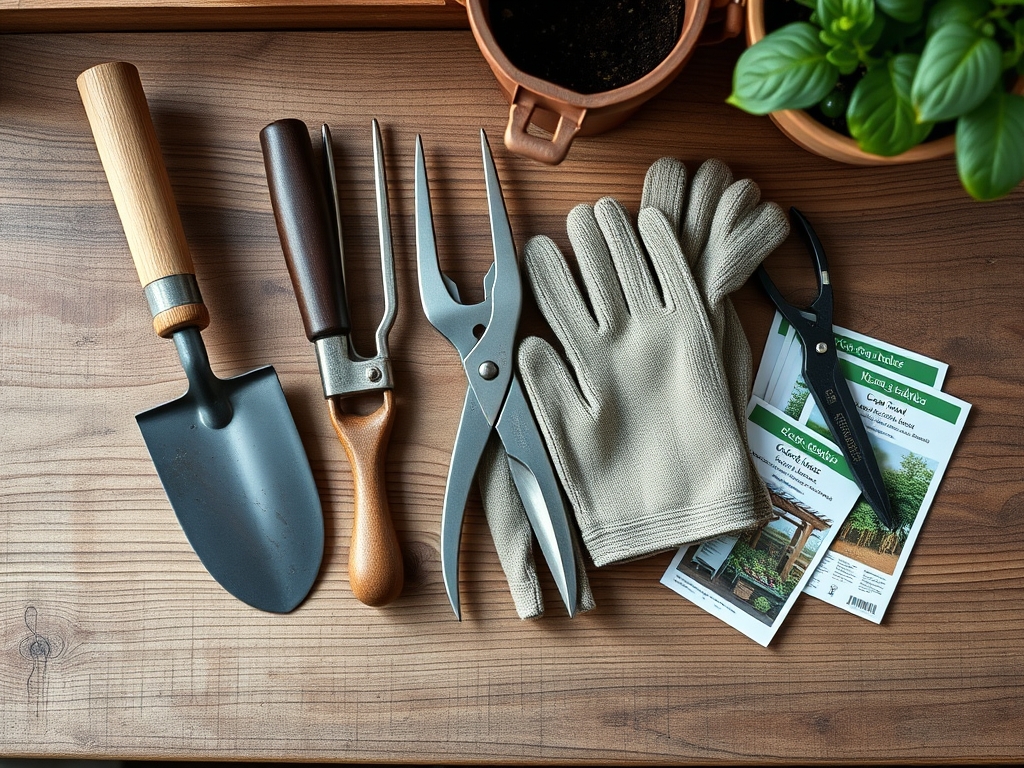
Materials:
The substrate surrounding the pergola footings must be a **friable loam** with a granular structure that allows for gas exchange. For most woody climbers, target a **soil pH between 6.0 and 7.0** to ensure maximum nutrient bioavailability. If your soil is heavy clay, incorporate expanded shale to increase macropore space.
The initial nutrient load is critical. Use a slow-release fertilizer with an NPK ratio of 10-10-10 for general establishment. However, if you are planting nitrogen-fixing vines like certain legumes, reduce the first digit to avoid excessive vegetative growth at the expense of root development. High-CEC soils (above 15 meq/100g) will retain these nutrients more effectively than sandy soils. You will also need pressure-treated 6×6 posts, 80-lb bags of high-strength concrete, and galvanized steel hardware to prevent oxidation in high-humidity microclimates.
Timing:
Installation should occur during the dormant season or early spring, specifically 4 to 6 weeks before the last frost date in your Hardiness Zone. In Zones 5 through 7, this typically falls between late February and early April. This timing aligns with the plant's biological clock; you want the structure in place before the "bud break" phase when the plant transitions from endodormancy to active vegetative growth.
By installing the pergola while the vine is in its winter rest, you minimize transplant shock and allow the root system to establish in the 55 degree Fahrenheit soil before the atmospheric demand for transpiration increases in summer. Monitoring the photoperiod is also essential. Most flowering vines require at least 6 to 8 hours of direct solar radiation to trigger the reproductive stage and produce the floral displays associated with mature pergolas.
Phases:

Sowing and Site Preparation
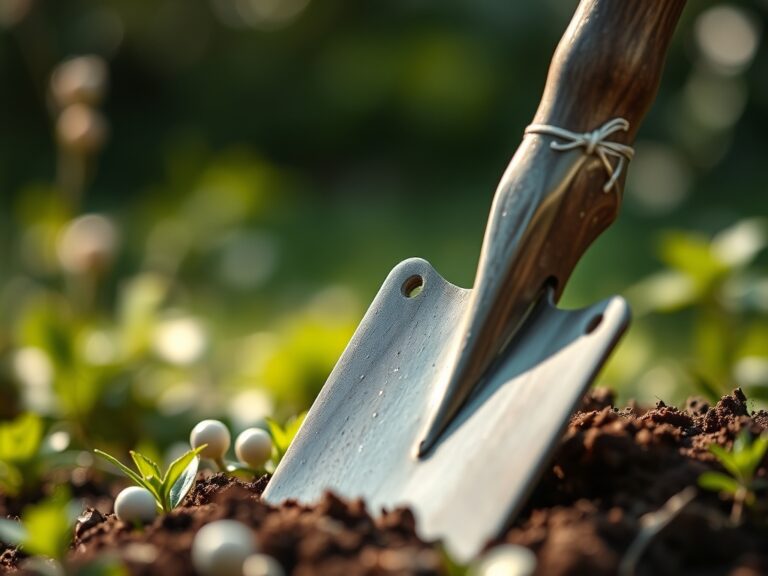
Excavate post holes to a depth of at least 36 inches, or below the local frost line, to prevent heaving. The diameter of the hole should be three times the width of the post. Before pouring concrete, ensure the bottom of the hole contains 4 inches of crushed gravel for drainage.
Pro-Tip: Proper drainage prevents anaerobic conditions in the rhizosphere. When roots are submerged in standing water, they cannot perform cellular respiration, leading to root rot and the eventual collapse of the plant's vascular system.
Transplanting the Climbers
Position the vine 12 to 18 inches away from the post to allow for the secondary thickening of the trunk. Dig a hole twice the width of the root ball. Gently tease the roots to break any circular growth patterns. Backfill with the native soil amended with organic matter to improve the water-holding capacity.
Pro-Tip: Use a root-dip containing mycorrhizal fungi during transplanting. This symbiotic relationship extends the reach of the root system, increasing the surface area for phosphorus uptake and improving the plant's drought resistance through enhanced water absorption.
Establishing the Framework
As the vine begins its upward trajectory, use soft ties to guide the primary leaders toward the overhead joists. Do not wrap ties tightly; the stem needs room for radial expansion. Maintain a consistent moisture level, ensuring the soil remains moist but not saturated at a depth of 6 inches.
Pro-Tip: Direct the growth using the principle of auxin suppression. By bending a vertical leader to a horizontal position along the top of the pergola, you suppress the apical dominance of the tip. This redistributes auxins to lateral buds, encouraging a fuller, more distributed canopy across the rafters.
The Clinic:
Physiological disorders often manifest as visual cues in the foliage. Monitoring these symptoms allows for rapid intervention before the health of the vine is compromised.
- Symptom: Interveinal chlorosis (yellowing between green veins) on new leaves.
- Solution: This indicates an Iron deficiency, often caused by high pH levels locking up micronutrients. Apply chelated iron and sulfur to lower the pH to 6.5.
- Symptom: Marginal leaf burn or scorching on older foliage.
- Solution: This suggests Potassium deficiency or salt accumulation. Flush the root zone with 3 inches of water and apply a 0-0-20 sulfate of potash supplement.
- Symptom: Stunted growth with dark purple or reddish tints on the underside of leaves.
- Solution: This is a classic Phosphorus deficiency. Ensure soil temperatures are above 55 degrees Fahrenheit for uptake and apply bone meal or a triple superphosphate.
Fix-It for Nitrogen Chlorosis: If the entire leaf turns a pale lime green, the plant is scavenging nitrogen from old growth to support new shoots. Apply a quick-release liquid fertilizer with a high N value (such as 20-10-10) to restore turgor and chlorophyll production.
Maintenance:
A pergola-mounted vine requires rigorous hydration management. Provide 1.5 inches of water per week delivered directly to the drip line. Use a soil moisture meter to verify that the moisture has penetrated at least 8 inches into the profile. Avoid overhead irrigation, which increases the leaf wetness period and invites fungal pathogens.
Pruning is the most critical maintenance task. Use sharp bypass pruners for thin wood and a hori-hori knife for weeding around the base. Remove the "Three Ds": dead, damaged, or diseased wood. For vigorous species like Grapevines, you must remove up to 80 percent of the previous year's growth during the winter to maintain structural weight limits and encourage fruit production. Always make cuts at a 45-degree angle just above a lateral bud to promote rapid callus formation.
The Yield:
When harvesting flowers or fruit from your pergola, timing is dictated by sugar content (Brix) or floral development. For flowers, harvest in the early morning when turgor pressure is at its peak. This ensures the stems are rigid and the blooms are hydrated. Use a sharp, sterilized blade to prevent crushing the vascular bundles.
For edible yields like grapes, wait until the fruit is fully colored and the seeds have turned brown. Immediately after harvest, move the produce to a cool, shaded area to reduce the field heat. This slows down the rate of senescence (biological aging) and preserves the "day-one" freshness of the harvest.
FAQ:
How deep should pergola posts be buried?
Posts must be buried at least 36 inches deep or below the local frost line. This depth prevents the structure from shifting due to soil expansion and contraction during freeze-thaw cycles, ensuring the stability of the climbing vines.
What is the best NPK ratio for new vines?
A balanced 10-10-10 NPK ratio is ideal for the first year. It provides equal parts nitrogen for leaf growth, phosphorus for root establishment, and potassium for overall cellular health and disease resistance within the plant's vascular system.
How often should I water a mature pergola vine?
Deliver 1.5 inches of water per week at the drip line. Use a soil moisture meter to ensure the water reaches the root zone. During extreme heat, increase frequency to maintain turgor pressure and prevent leaf desiccation.
Why are my vine leaves turning yellow between the veins?
This is interveinal chlorosis, usually signifying an iron or magnesium deficiency. It often occurs when the soil pH is too high, preventing the roots from absorbing essential micronutrients. Adjust the pH to a range of 6.0 to 7.0.
When is the best time to prune pergola vines?
Prune during the late winter dormancy phase, before the sap begins to flow. This reduces the risk of infection and allows the plant to direct its energy into new, vigorous growth once the spring "bud break" occurs.