7 Benefits of Using a Plant Saucer for Furniture
Water pools beneath a ceramic pot, tracing dark rings into the oak tabletop. The veneer swells. Finish cracks along the grain within forty-eight hours of sustained contact. Using a plant saucer to prevent water damage eliminates this sequence entirely, creating a physical barrier between irrigation runoff and wood surfaces while offering additional horticultural advantages beyond simple furniture protection.
Materials
Plant saucers function in three material categories, each with distinct drainage properties and cation exchange characteristics.
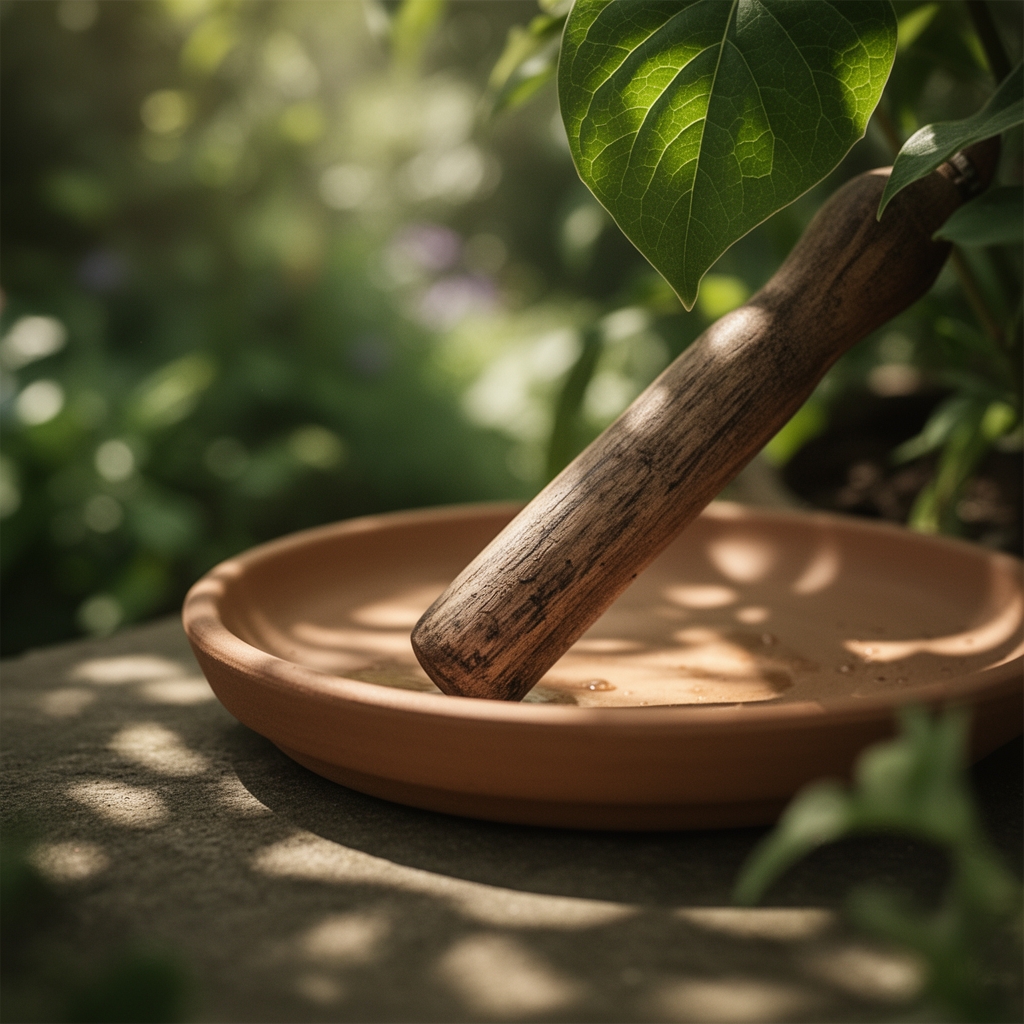
Terracotta saucers maintain neutral pH (6.8–7.2) and absorb excess moisture through micropores. These unglazed ceramic vessels wick approximately 0.3 milliliters per hour at 68°F, preventing water accumulation while allowing evaporation. The clay composition contains trace minerals (calcium, magnesium) that leach minimally into standing water.
Plastic saucers offer complete impermeability with pH-neutral stability across 5.0–8.5 ranges. High-density polyethylene variants resist UV degradation for seven years in direct light exposure. They retain 100% of drainage water, requiring manual emptying but protecting furniture with absolute reliability.
Glazed ceramic saucers combine aesthetic appeal with zero-absorption properties. The vitrified surface creates a waterproof barrier while adding thermal mass that stabilizes root-zone temperatures. Choose saucers 1–2 inches wider than pot diameter to capture lateral water spread during irrigation.
Cork-backed metal saucers provide dual-layer protection. The upper basin catches overflow while the compressed cork underlayer prevents condensation transfer and thermal shock to wood surfaces. These perform optimally in environments exceeding 60% relative humidity.
Timing
Implement saucer systems before initial potting in spring (USDA Zones 3–11) when indoor plants transition to active growth cycles. Installation during dormancy (November–February) prevents root disturbance and allows adjustment of drainage patterns before peak transpiration.
In Zones 7–9, position saucers beneath outdoor container gardens after last frost date (March 15–April 30) when diurnal temperature fluctuations stabilize above 50°F minimum. This timing coincides with increased watering frequency as photoperiod extends beyond 12 hours.
For tropical species (Ficus, Philodendron, Calathea) maintained at constant 65–75°F, install saucers year-round. These plants exhibit continuous auxin distribution and root expansion, producing steady drainage regardless of season.
Phases
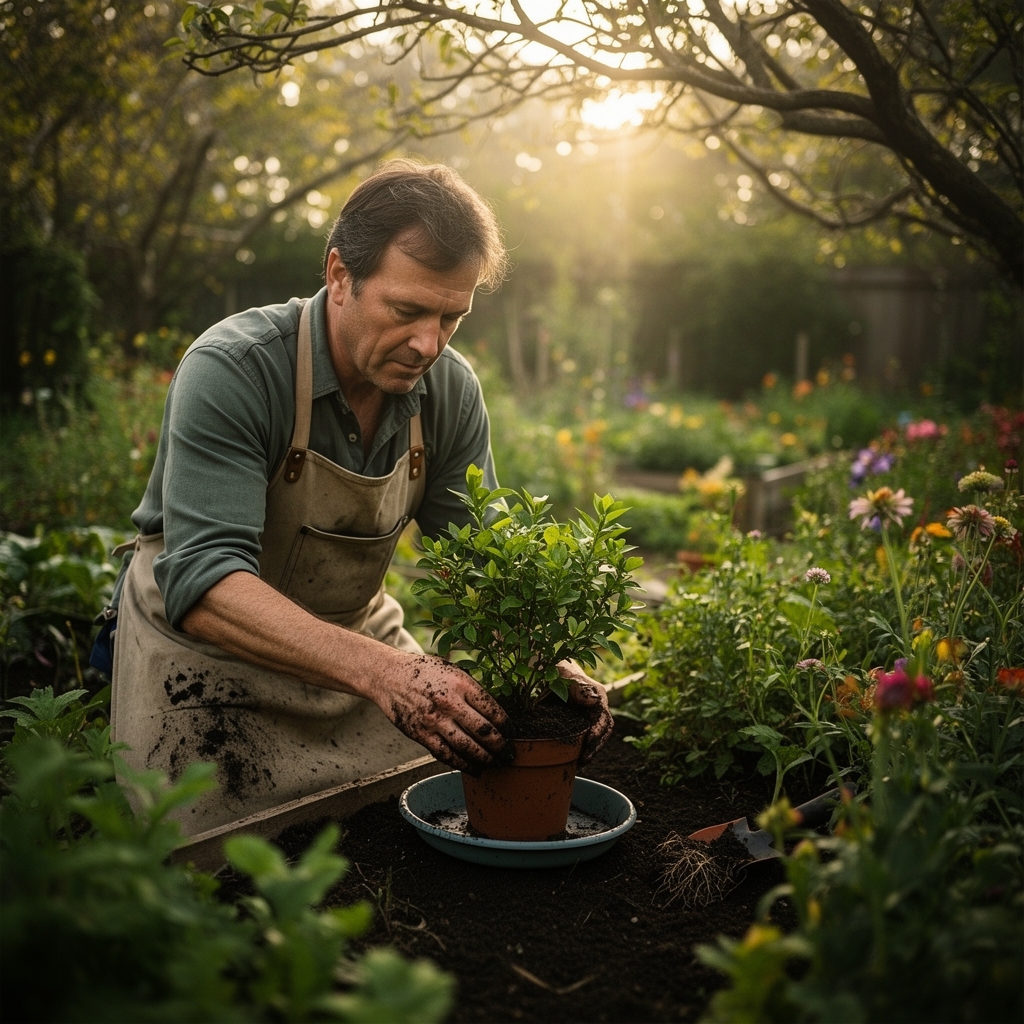
Initial Installation Phase
Clean furniture surfaces with pH-neutral wood soap before saucer placement. Position saucers on level surfaces to ensure even water distribution across the basin floor. Verify that pot drainage holes sit 0.25–0.5 inches above the saucer base to prevent root submersion in standing water. This air gap facilitates oxygen exchange while maintaining the capillary break.
Pro-Tip: Apply food-grade beeswax to exposed wood within a 3-inch radius of the saucer perimeter. This creates a secondary moisture barrier if condensation forms on the saucer exterior.
Active Growth Phase
Monitor saucer depth during peak growth (May–August) when irrigation frequency increases. Empty accumulated water within 30 minutes post-watering to prevent anaerobic conditions that inhibit mycorrhizal fungi colonization. For plants requiring consistent moisture (ferns, prayer plants), maintain 0.125-inch standing water to create a humidity reservoir through evaporation.
Pro-Tip: Add 0.25 inches of horticultural perlite to saucer bottoms. This elevates pot bases while increasing evaporative surface area by 40%, reducing emptying frequency.
Dormancy Transition Phase
Reduce saucer monitoring as metabolic activity decreases (September–February). Most temperate species require 50% less water during dormancy, producing minimal drainage. Inspect saucers biweekly for mineral salt accumulation, which appears as white crystalline deposits. Flush with distilled water monthly to prevent salt concentration above 800 ppm.
Pro-Tip: Rotate pots 90 degrees monthly within saucers to equalize light exposure and prevent unilateral root growth toward drainage channels.
Troubleshooting
Symptom: White crust formation on saucer surface
Solution: Dissolved salts from fertilizers (typical NPK formulations like 10-10-10 or 20-20-20) crystallize as water evaporates. Scrub saucers with 1:10 white vinegar solution quarterly. Switch to organic amendments (4-4-4 blood meal, 5-3-2 fish emulsion) to reduce salt index below 3.0.
Symptom: Fungus gnats emerging from saucer water
Solution: Larvae colonize stagnant moisture within 72 hours. Empty saucers immediately after watering. Apply 0.5-inch layer of fine sand (0.5–1.0 mm particle size) to soil surface, disrupting oviposition sites. Introduce Bacillus thuringiensis israelensis (BTI) granules at 0.25 grams per 6-inch pot.
Symptom: Green algae coating saucer interior
Solution: Photosynthetic microorganisms proliferate in standing water with light exposure. Clean saucers with 3% hydrogen peroxide solution weekly. Reduce water retention time to under 15 minutes. Position plants to shade saucer contents or switch to opaque saucer materials.
Symptom: Saucer overflow during watering
Solution: Insufficient basin capacity for root ball size. Upgrade to saucers with 1.5× the volume of applied water per irrigation. For 6-inch pots receiving 200 milliliters per watering, use saucers holding minimum 300 milliliters (typically 8-inch diameter with 1-inch depth).
Symptom: Watermark still appearing on furniture
Solution: Condensation forms on cool saucer exteriors when ambient temperature exceeds 75°F with humidity above 55%. Place cork trivets or felted pads beneath saucers. Increase air circulation to 40 cubic feet per minute using oscillating fans positioned 6 feet from plant clusters.
Maintenance
Empty saucers within 30 minutes following irrigation events. This interval prevents capillary saturation while protecting furniture from prolonged moisture contact.
Wash saucers monthly with unscented dish soap and hot water (140°F). Remove biofilm accumulation that harbors pathogens like Pythium and Phytophthora species. Sterilize annually with 10% bleach solution (1 part bleach to 9 parts water) for 10-minute soak time.
Inspect furniture quarterly for moisture damage despite saucer use. Check for finish deterioration, veneer lifting, or dimensional changes in wood grain. Address compromised finishes with appropriate wood conditioners before reintroducing plants.
Replace plastic saucers every 5–7 years as UV exposure degrades polymer chains, creating microfractures. Terracotta saucers last indefinitely with proper handling but develop mineral staining that requires vinegar treatment.
Apply 1 inch of water per week during active growth, adjusted for species requirements and container size. A 10-inch pot typically receives 400–500 milliliters per irrigation event, producing 50–75 milliliters of drainage captured by the saucer.
FAQ
How large should a plant saucer be relative to the pot?
Select saucers 1–2 inches wider than pot diameter. An 8-inch pot requires a 9–10 inch saucer to capture lateral water spread without overflow.
Can I leave water in the saucer for humidity?
Yes, for moisture-loving species only. Maintain 0.125-inch maximum depth and refresh every 48 hours to prevent pathogen growth. Most plants benefit from complete drainage.
Do saucers affect root health?
Properly managed saucers improve root health by preventing waterlogging. Emptying within 30 minutes maintains oxygen levels above 6 ppm necessary for root respiration and mycorrhizal fungi activity.
What material best protects hardwood furniture?
Cork-backed metal or glazed ceramic with felted underlays provide maximum protection. These prevent both direct water contact and condensation transfer through thermal buffering.
Should outdoor container plants use saucers?
Use saucers on patios, decks, or surfaces requiring protection. Omit them in garden beds where drainage into soil is acceptable. Outdoor saucers must have drain holes to prevent mosquito breeding in standing water.