7 Steps to Prepare a Decorative Garden Sundial Site
Learning how to prepare a site for a garden sundial begins with understanding the relationship between solar geometry, soil compaction, and precise leveling. A sundial demands more than aesthetic placement. It requires a foundation that resists settling, drains efficiently, and provides unobstructed sun access for accurate timekeeping. The gnomon's shadow will betray even a quarter-degree tilt, so soil preparation must prioritize stability over ornamental concerns.
Materials
Begin with a soil test targeting pH between 6.5 and 7.0. This neutral range minimizes cation exchange capacity fluctuations that contribute to erosion beneath hardscape elements. For substrate stabilization, specify crushed granite or limestone at 3/8-inch diameter. Avoid sandstone or shale, which fracture under freeze-thaw cycles.
Organic amendments should follow a 4-4-4 NPK ratio if surrounding plantings require fertility. Apply composted pine bark at two cubic yards per 100 square feet to improve structure without introducing excess nitrogen that encourages weed germination near the base. For compaction zones, use gypsum (calcium sulfate) at five pounds per 100 square feet to flocculate clay particles without altering pH.
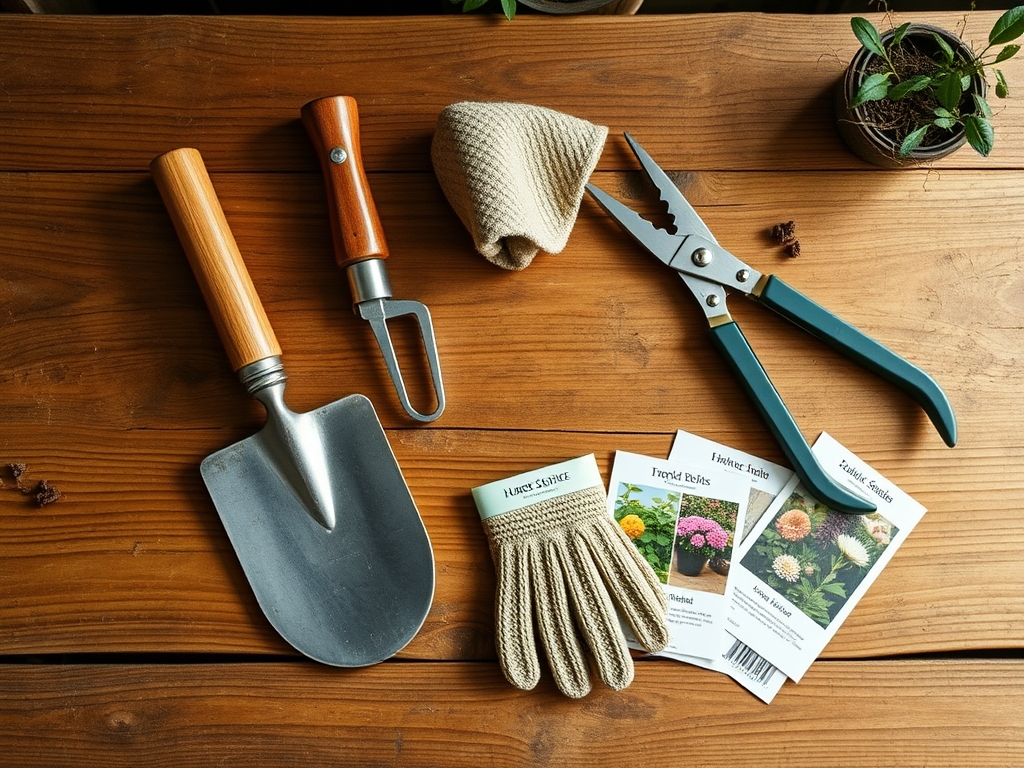
Hardware requirements include four-foot rebar stakes, mason's line, a four-foot carpenter's level, and a two-foot torpedo level for verifying both axes. A plate compactor rated to 5,000 pounds of centrifugal force ensures base layers resist settling. Geotextile fabric at 4-ounce weight separates subgrade from aggregate, preventing soil migration.
Timing
Hardiness zones dictate optimal construction windows. In zones 3 through 6, schedule site work between late May and early September when soil moisture content remains below 20 percent. Testing moisture is simple. Compress a handful of soil. If it forms a ribbon, postpone excavation.
Zones 7 through 9 permit year-round preparation, but avoid periods within ten days of heavy rainfall. Saturated soil compacts unevenly, creating differential settling that manifests as tilt within two seasons. In zone 10, prepare sites during the dry season, typically November through April, when mycorrhizal fungi establish more readily in perimeter plantings.
Frost-date considerations matter even for hardscape. Final grading and placement should occur at least four weeks before the first expected hard freeze. This allows base materials to settle naturally before frost heaving exerts pressure.
Phases

Excavation Phase: Remove turf and topsoil to a depth of eight inches within a circle two feet wider than the sundial's base diameter. Measure the excavation floor with a laser level or water level. Variations exceeding one-quarter inch per ten feet require additional grading. Compact subgrade in two-inch lifts using the plate compactor. Pass over each lift three times in perpendicular directions.
Pro-Tip: Spray subgrade lightly with water before compaction to achieve 12 percent moisture content. This activates clay particle binding without creating mud.
Base Layer Phase: Lay geotextile fabric across the compacted subgrade, overlapping seams by six inches. Spread four inches of crushed granite, then compact in two separate two-inch lifts. Check level every four square feet. Install drainage perforations if the site slopes less than two percent. A perforated four-inch PVC pipe placed along the lower edge, backfilled with gravel, prevents standing water.
Pro-Tip: Incorporate basalt dust at one-quarter inch over the final base layer. Basalt contains trace elements that discourage burrowing insects and provides a mildly abrasive surface that resists algae colonization.
Setting Phase: Position the sundial pedestal dry. Verify plumb on four axes using the torpedo level. Mark anchor points, then remove the pedestal. Drill anchor holes three inches deeper than bolt length. Fill holes halfway with two-part epoxy rated for 3,000 psi compression strength. Reset pedestal and torque anchor bolts to manufacturer specifications. Allow epoxy to cure 72 hours before backfilling perimeter gaps with polymeric sand.
Pro-Tip: Align the gnomon to true north, not magnetic north. In the contiguous United States, magnetic declination ranges from 20 degrees east in Seattle to 10 degrees west in Maine. Use a declination-adjusted compass or smartphone app with local correction data.
Troubleshooting
Symptom: Pedestal tilts within first year.
Solution: Insufficient compaction of base layers. Excavate perimeter to 12 inches, inject expanding polyurethane foam designed for void filling, then re-level.
Symptom: Algae growth on dial face or pedestal.
Solution: Excessive shade or poor air circulation. Prune overhanging branches to allow four hours of direct midday sun. Apply copper sulfate solution at 0.5 percent concentration quarterly.
Symptom: Settling in one quadrant.
Solution: Differential soil moisture from buried irrigation or roof runoff. Redirect water sources and install a French drain 18 inches deep on the upslope side.
Symptom: Frost heave displaces pedestal.
Solution: Shallow foundation above frost line. Excavate to local frost depth (36 inches in zone 5, 18 inches in zone 7), install gravel column, reset pedestal with deeper anchors.
Symptom: Weeds penetrate base gravel.
Solution: Geotextile failure or absence. Remove top two inches of gravel, install commercial-grade fabric, replace gravel, apply pre-emergent herbicide containing prodiamine at labeled rates.
Maintenance
Inspect level annually in early spring using a digital inclinometer accurate to 0.1 degrees. Re-torque anchor bolts to original specifications if loosening occurs. Apply 0.5 inches of additional polymeric sand every three years to compensate for erosion.
Clean the dial face quarterly with pH-neutral stone cleaner diluted 1:10. Avoid acidic or alkaline solutions that etch bronze or limestone. In zones with freeze-thaw cycles, apply penetrating silane sealer every five years to reduce moisture infiltration.
Maintain a 12-inch radius of bare ground or low groundcover around the pedestal. Taller plantings cast interfering shadows. If ornamental borders are desired, select species under six inches mature height, such as Thymus serpyllum or Sedum acre, established 18 inches from the base.
FAQ
How deep should the foundation be?
Excavate to eight inches in zones 8-10, 12 inches in zones 6-7, and 18 inches in zones 3-5 to prevent frost heave.
Can I install a sundial on existing patio pavers?
Only if the paver base was compacted to 95 percent proctor density and remains level within one-quarter degree. Verify with an engineer's level.
What causes the gnomon shadow to drift?
Pedestal tilt from settling or incorrect true north alignment during installation. Realign using solar noon observations over three consecutive clear days.
Should I use concrete or gravel base?
Gravel with proper compaction provides superior drainage and easier future adjustment. Concrete risks cracking in cold climates and complicates repositioning.
How far from trees should I place the sundial?
Minimum distance equals mature tree height plus ten feet to prevent root heave and shadow interference during all seasons.