8 Drainage Steps to Prepare a Roof Vegetable Patch
Establishing a productive vegetable patch on a rooftop demands absolute mastery of drainage engineering. Water that pools for more than six hours after rainfall will suffocate root systems, trigger anaerobic decomposition, and collapse your growing medium's structure within a single season. How to prepare a garden for a green roof vegetable patch begins with understanding that your substrate must drain freely while retaining sufficient moisture for plant-available water, a balance achievable only through deliberate layering and material selection.
Materials
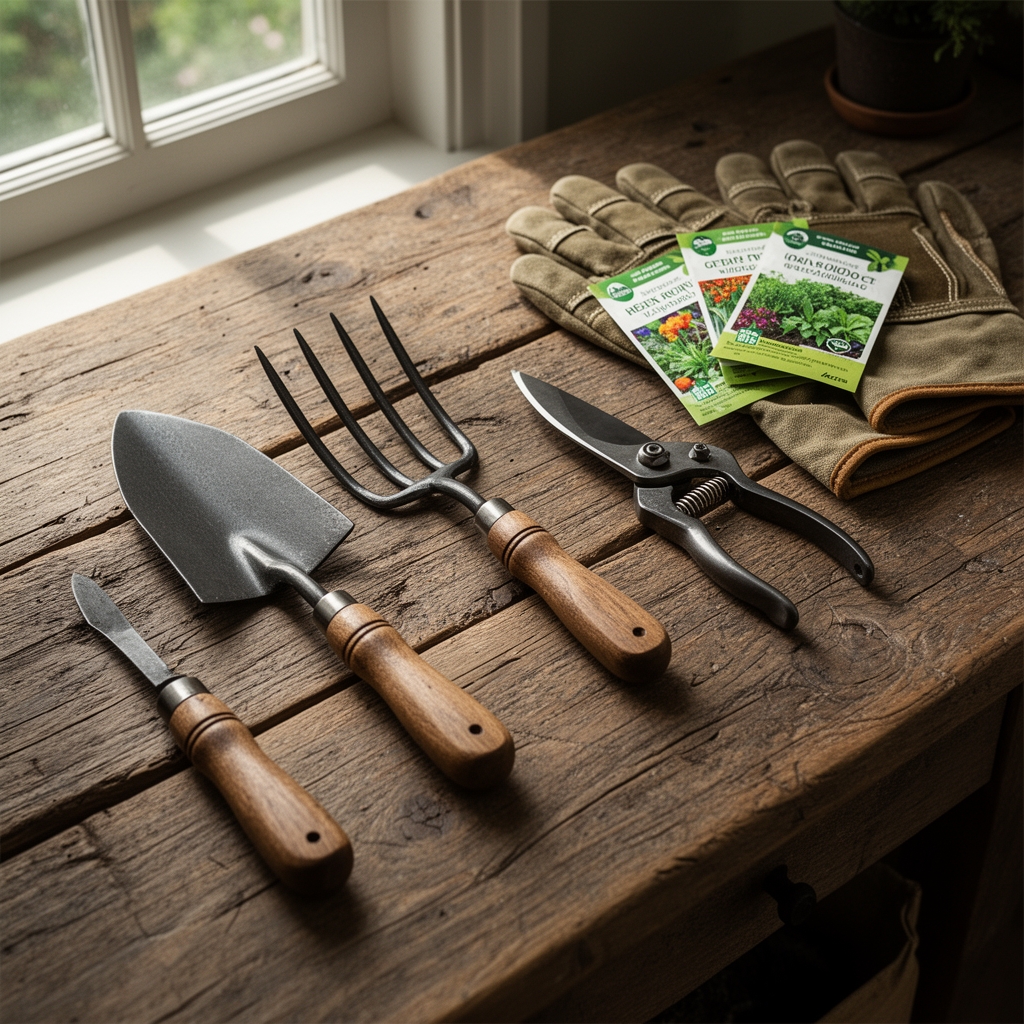
Your drainage infrastructure requires specific components matched to substrate chemistry. Use expanded clay aggregate (pH 6.5-7.0) at 2-4 inches depth for the primary drainage layer. This material offers high cation exchange capacity without contributing excess alkalinity. For the filter fabric, select non-woven geotextile rated at 70-100 gallons per square foot per day; lower ratings will blind with fine particles within eighteen months.
The growing medium demands precise formulation: 40% composted pine bark fines (particle size 3-8mm), 30% heat-expanded slate, 20% mature compost (C:N ratio 20:1), and 10% perlite. Incorporate a balanced organic fertilizer at 4-4-4 NPK ratio, applying 2 pounds per cubic yard. This blend maintains pH between 6.2 and 6.8 while providing adequate phosphorus for root establishment. Add mycorrhizal fungi inoculant (Glomus intraradices and G. aggregatum) at 0.5 ounces per cubic foot to enhance nutrient uptake and drought tolerance.
For root barrier installation, use high-density polyethylene sheeting at 40-mil thickness. Perimeter edging requires aluminum or galvanized steel at 8-inch minimum height to prevent substrate migration during wind events.
Timing
Execute drainage installation in Hardiness Zones 5-7 between late March and mid-April, after the final hard freeze but before consistent soil temperatures reach 50°F. Zones 8-10 can begin as early as February. This window allows membrane adhesives to cure properly and permits structural load testing before you introduce saturated growing medium.
Schedule your work during a seven-day dry period. Moisture in the roofing membrane during installation will compromise waterproofing bonds. Check local frost-date calendars; install no earlier than four weeks before the average last spring frost to avoid thermal shock to newly placed materials.
Phases

Step 1: Structural Assessment
Consult a structural engineer to verify your roof can support 35-50 pounds per square foot when saturated. This load includes substrate, water at field capacity, and mature plants. Mark all load-bearing points with stakes.
Step 2: Waterproofing Layer
Install a root-resistant waterproof membrane rated for continuous immersion. Overlap seams by 6 inches minimum. Seal all penetrations with compatible mastic compound. Pro-Tip: Apply a leak detection system beneath the membrane; identifying breaches after substrate placement costs twenty times more than pre-installation testing.
Step 3: Protection Board
Lay a drainage protection mat directly on the membrane. This 1/4-inch synthetic fleece prevents puncture from aggregate edges during thermal expansion cycles.
Step 4: Drainage Layer
Spread expanded clay aggregate to uniform 3-inch depth. Slope at 1/8 inch per foot toward designated drainage outlets. Verify slope with a 4-foot level at 3-foot intervals.
Step 5: Filter Fabric
Unroll geotextile fabric over the aggregate. Overlap edges by 12 inches. Do not use staples; weight edges with temporary sandbags. Pro-Tip: Pre-rinse fabric with 20 gallons of water per 100 square feet to remove manufacturing residues that can inhibit initial water flow.
Step 6: Edging Installation
Secure perimeter edging to roof structure using non-penetrating ballast systems or compatible mechanical fasteners approved by your roofing manufacturer. Leave 1/4-inch gaps every 8 feet for thermal expansion.
Step 7: Growing Medium Placement
Distribute substrate in 2-inch lifts, compacting lightly between layers to eliminate air pockets. Final depth should be 6-8 inches for salad greens, 10-12 inches for fruiting vegetables. Pro-Tip: Inoculate each lift with beneficial bacteria (Bacillus subtilis) at manufacturer's recommended rate to accelerate organic matter decomposition and improve aggregate stability.
Step 8: Initial Saturation
Irrigate with 2 inches of water applied over four hours. Monitor all drainage points for flow rate. Ideal drainage removes visible surface water within 45 minutes while maintaining substrate moisture at 40-50% by volume.
Troubleshooting
Symptom: Ponding water persisting beyond two hours post-irrigation.
Solution: Core-sample the profile to identify clogged layers. If filter fabric shows blinding, install additional drainage channels at 4-foot spacing using perforated pipe embedded in coarse gravel.
Symptom: Substrate compaction exceeding 15% within first growing season.
Solution: Incorporate additional perlite at 5% by volume. Mix in coarse sand (particle size 1-2mm) at 10% to increase porosity.
Symptom: pH drift above 7.5.
Solution: Apply elemental sulfur at 1 pound per 100 square feet, incorporated to 4-inch depth. Retest after six weeks.
Symptom: Salt accumulation visible as white crust.
Solution: Leach with 3 inches of water monthly. Install sub-surface irrigation to reduce surface evaporation.
Symptom: Auxin distribution disrupted, causing uneven vegetative growth.
Solution: Verify substrate temperature uniformity. Dark patches may absorb excess heat, creating localized stress. Add 1-inch mulch layer of shredded hardwood bark.
Maintenance
Apply 1 inch of water weekly when rainfall totals less than 0.75 inches. Measure with rain gauge placed at substrate level. Irrigate in early morning to minimize evaporative loss.
Top-dress with 1/4-inch mature compost every eight weeks during growing season. This maintains organic matter content and replenishes beneficial microorganism populations.
Monitor drainage outlet flow rates monthly. Flush lines with pressurized water if flow decreases by 30% from baseline measurements.
Test substrate EC (electrical conductivity) quarterly. Maintain readings between 1.0-2.5 mS/cm for most vegetables. Readings above 3.0 indicate salt accumulation requiring immediate leaching.
FAQ
How deep should the drainage layer be for a green roof vegetable patch?
Three inches of expanded clay aggregate provides adequate drainage for vegetables while minimizing weight load. Depths below 2 inches risk clogging; depths exceeding 4 inches add unnecessary structural burden.
What filter fabric weight works best for rooftop vegetable gardens?
Use 4-6 ounce non-woven geotextile. Heavier fabrics drain too slowly for shallow substrates; lighter fabrics permit fine particle migration that clogs drainage layers.
Can I use gravel instead of expanded clay for drainage?
Crushed stone adds 40% more weight than expanded clay at equivalent drainage performance. Use stone only if structural capacity exceeds 60 pounds per square foot.
How often should I replace drainage components?
Expanded clay lasts 15-20 years. Replace filter fabric every 7-10 years or when flow rate decreases 50% from initial measurements.
Do I need a separate irrigation system for roof gardens?
Drip irrigation reduces water consumption by 60% compared to overhead methods and prevents waterlogging. Install emitters at 12-inch spacing for uniform coverage.