8 High-Humidity Steps to Prepare a Propagation Box
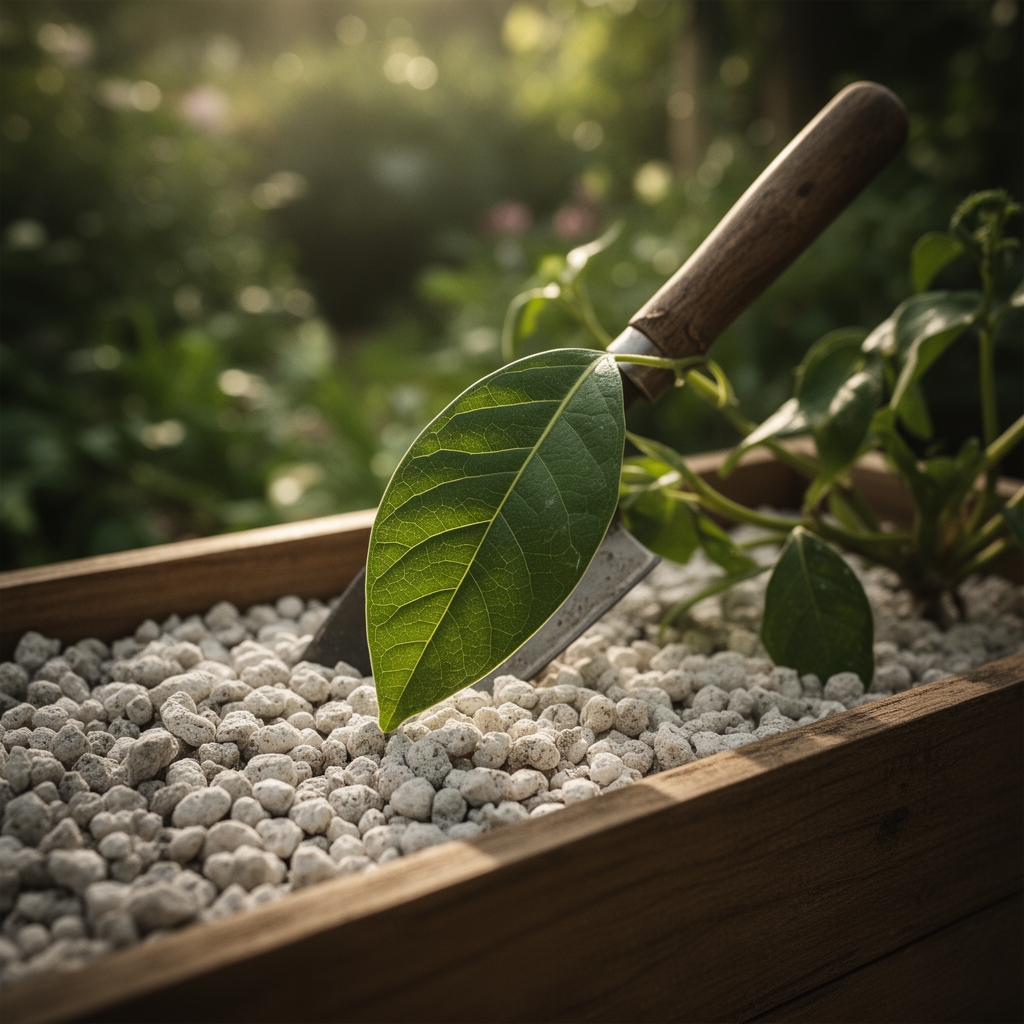
Coarse white perlite catches the light along the rim of a plastic storage bin, each granule a volcanic glass vessel holding air and moisture in perfect suspension. When learning how to prepare a propagation box with perlite, you construct a microclimate that replicates the humid forest floor where cuttings naturally root. The material's neutral pH of 6.5 to 7.5 ensures no interference with auxin distribution at the cut surface. Perlite's cation exchange capacity remains near zero, making it an inert anchor that supports root emergence without nutrient lockout or salt buildup.
Materials
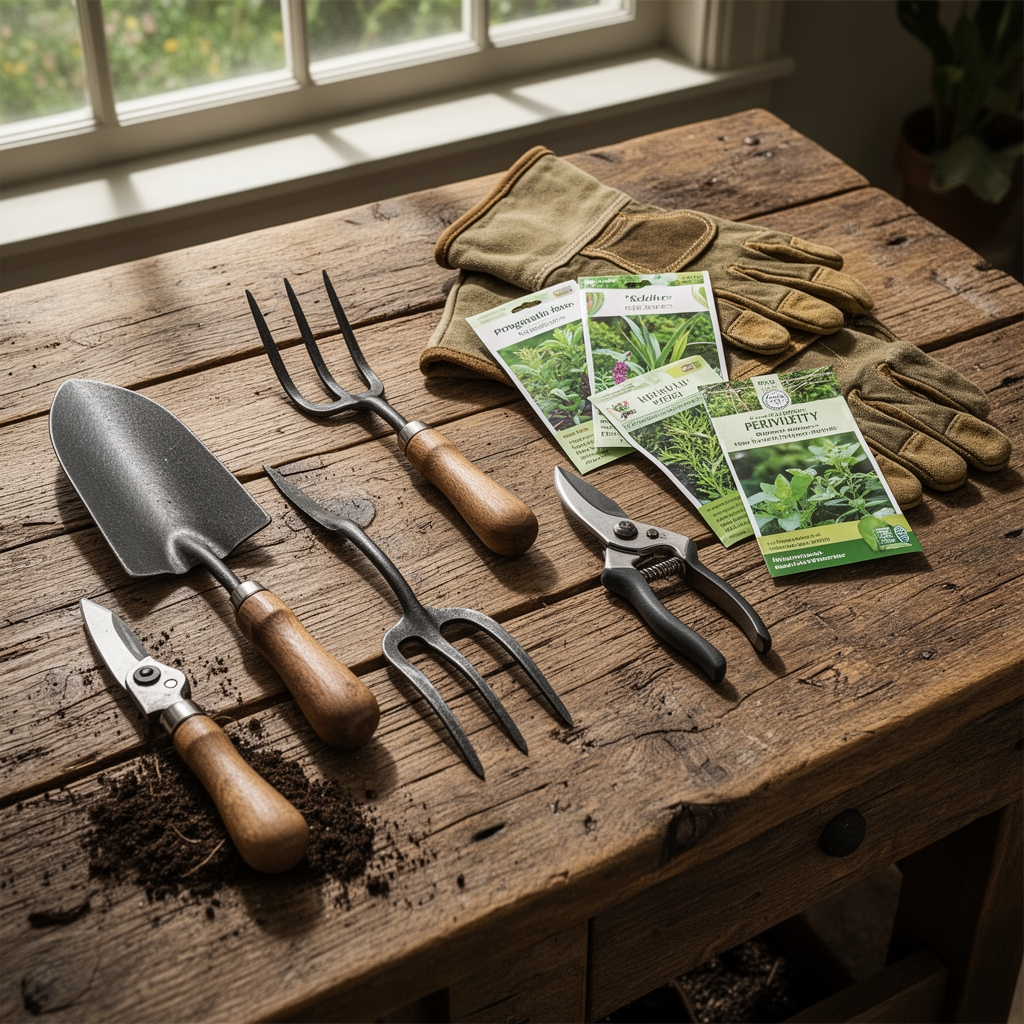
Select a clear plastic bin measuring 18 inches long, 12 inches wide, and 8 inches deep. Transparency allows photosynthetically active radiation to penetrate while maintaining 85 to 95 percent relative humidity. Horticultural-grade perlite, size 3 or 4, provides optimal drainage and aeration. Purchase 8 quarts to fill the bin to a depth of 4 inches.
For nutrient amendments, apply a 2-2-2 diluted fish emulsion at one-quarter strength during the establishment phase. This balanced NPK ratio supplies nitrogen for chlorophyll synthesis without triggering excessive vegetative growth before roots form. Mycorrhizal fungi inoculant, sold as granular spores in 4-ounce packets, colonizes emerging root hairs and extends phosphorus uptake by 300 percent.
Rooting hormone powder containing 0.3 percent indole-3-butyric acid (IBA) accelerates callus formation. A handheld humidity gauge and a heating mat with thermostat set to 72 degrees Fahrenheit complete the setup. Distilled water with a pH of 6.0 prevents mineral deposits on perlite surfaces.
Timing
Zones 7 through 10 offer the longest propagation windows, spanning mid-March through October. In Zone 6, wait until soil temperatures stabilize above 60 degrees Fahrenheit, typically two weeks after the last spring frost. Cold-sensitive tropicals root best when ambient night temperatures remain above 55 degrees.
Hardwood cuttings taken during dormancy in January or February require 12 to 16 weeks in the propagation box. Softwood cuttings collected in late May root within 3 to 5 weeks due to elevated auxin levels in new growth. Monitor photoperiod: 14 hours of daylight accelerates root primordium differentiation in most species.
Phases
Sowing Phase (Weeks 0-1)
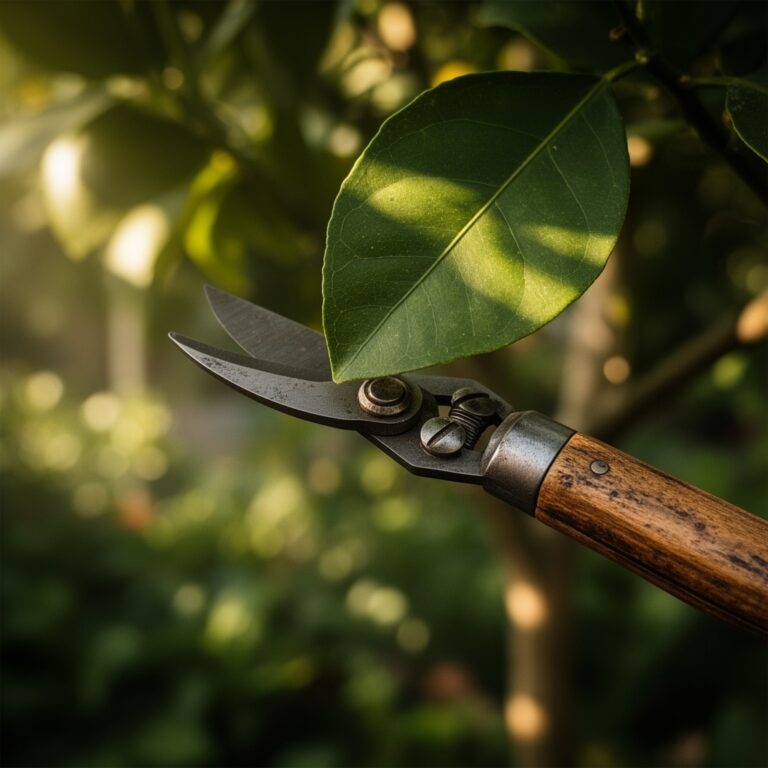
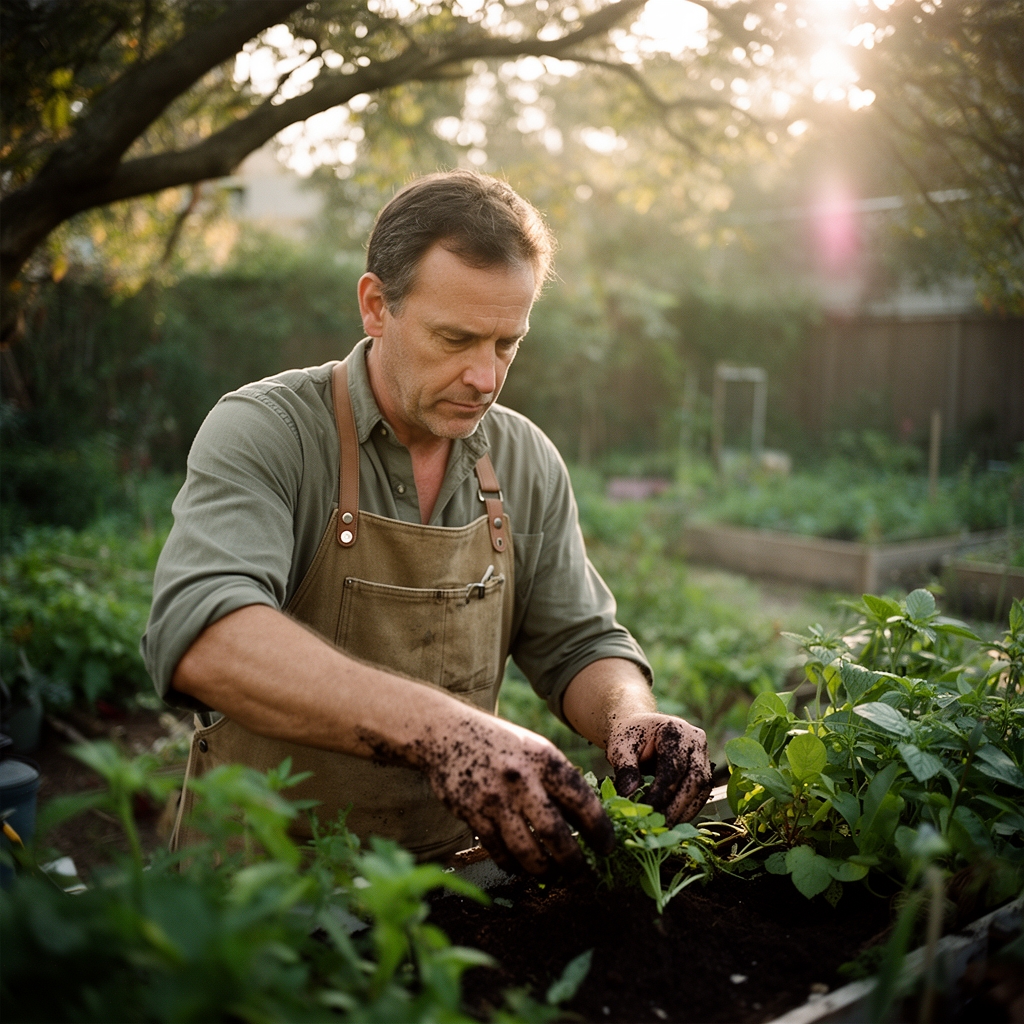
Rinse perlite under running water for 3 minutes to remove dust, then fill the bin. Level the medium, leaving 2 inches of headspace. Insert the thermostat probe 2 inches deep. Take 6-inch cuttings at a 45-degree angle using sterilized pruning shears, making the cut just below a node where auxin concentrations peak. Remove lower leaves to reduce transpiration, leaving two or three leaf pairs at the apex. Dip the basal inch in rooting hormone, tap to remove excess powder, and insert cuttings 2 inches deep, spaced 3 inches apart. Mist until water beads on the perlite surface.
Pro-Tip: Score the basal stem with a sterile blade to expose cambium tissue. This wound response releases ethylene, which upregulates genes responsible for adventitious root formation.
Transplanting Phase (Weeks 2-4)
White root tips emerge from the perlite after 10 to 21 days, depending on species. Roots measuring 1 to 1.5 inches long signal readiness for transplant. Prepare 4-inch pots with a 1:1:1 mix of peat, perlite, and composted pine bark. This blend provides a cation exchange capacity of 15 to 20 milliequivalents per 100 grams, sufficient for early nutrient retention. Water with the 2-2-2 fish emulsion solution, applying 4 fluid ounces per pot. Gradually reduce humidity by propping the bin lid open 1 inch for 3 days, then 2 inches for 3 days, acclimating stomata to lower vapor pressure deficits.
Pro-Tip: Inoculate the transplant mix with 1 teaspoon of mycorrhizal fungi per pot, placing granules directly against emerging roots. Hyphal networks establish within 7 days.
Establishing Phase (Weeks 5-8)
Introduce ambient light gradually. Begin with 50 percent shade cloth for one week, then expose to morning sun only. Full sun exposure after 6 weeks hardens cuticle layers and increases epicuticular wax deposition. Apply a 4-4-4 organic granular fertilizer, broadcast at 1 tablespoon per pot, when three new leaf pairs emerge. This balanced NPK ratio supports vegetative growth and root expansion. Water when the top 1 inch of medium dries, typically every 3 days in moderate climates.
Pro-Tip: Pinch terminal buds once six leaf pairs develop. This apical pruning redirects auxin laterally, producing bushier architecture and more nodes for future propagation.
Troubleshooting
Symptom: Black, mushy stem bases with foul odor.
Solution: Pythium or Rhizoctonia infection from excessive moisture. Remove affected cuttings immediately. Reduce misting frequency to once daily. Drench remaining perlite with a hydrogen peroxide solution (1 tablespoon per quart of water) to oxygenate the root zone and suppress anaerobic pathogens.
Symptom: Yellowing leaves with green veins.
Solution: Iron chlorosis from elevated pH. Test perlite leachate; if above 7.2, flush with distilled water acidified to pH 5.5 using sulfuric acid at 0.1 milliliters per gallon.
Symptom: Wilted cuttings despite moist medium.
Solution: Excessive transpiration outpaces water uptake in absent roots. Tent individual cuttings with clear plastic bags secured with rubber bands, creating a vapor pressure deficit near zero. Remove bags gradually over 5 days once turgor pressure returns.
Symptom: White cottony growth on perlite surface.
Solution: Saprophytic fungi feeding on organic residue. Non-pathogenic but indicates poor air circulation. Prop bin lid slightly ajar and aim a small fan across the surface at low speed to increase gas exchange without desiccating cuttings.
Maintenance
Mist cuttings twice daily during the first 14 days to maintain 90 percent relative humidity. Monitor with the hygrometer; adjust misting frequency if readings drop below 85 percent. Add 4 fluid ounces of distilled water weekly to maintain perlite moisture without waterlogging. Replace perlite every 6 months as mineral salts accumulate despite inert properties. Sterilize bins between propagation cycles with a 10 percent bleach solution, soaking for 10 minutes and rinsing thoroughly.
FAQ
How often should I mist cuttings in the propagation box?
Mist twice daily for the first two weeks, then reduce to once daily as roots develop. Excess moisture invites fungal pathogens.
Can I reuse perlite after propagation?
Rinse thoroughly and bake at 200 degrees Fahrenheit for 30 minutes to sterilize. Reuse up to three cycles before structure degrades.
Why do some cuttings root in 10 days while others take 6 weeks?
Auxin concentration varies by species and cutting type. Softwood cuttings root faster than hardwood due to higher endogenous hormone levels.
Do I need bottom heat for propagation?
Bottom heat at 72 degrees Fahrenheit accelerates root emergence by 30 to 50 percent. Essential for tropical species; optional for temperate plants.
What humidity level prevents wilting?
Maintain 85 to 95 percent relative humidity until roots reach 1 inch. Lower levels increase transpiration stress on unrooted cuttings.