8 Size-Control Steps to Prune an Indoor Lemon Tree
The scent of lemon blossom in January—sharp, sweet, and slightly bitter—transforms a living room into a miniature Mediterranean grove. Yet that same Meyer lemon that delivered its first flush of fruit now presses against the ceiling, its canopy sprawling beyond the pot's capacity to anchor it. Mastering the steps for pruning an indoor lemon tree restores proportion, redirects auxin distribution toward fruit-bearing wood, and prevents the skeletal collapse that follows unchecked vegetative growth.
Indoor citrus pruning is not outdoor orchard work translated indoors. The controlled environment alters apical dominance patterns. Light comes from fewer angles. Root volume remains fixed. Each cut must account for these constraints while maintaining the tree's ability to photosynthesize, fruit, and resist pest pressure.
Materials
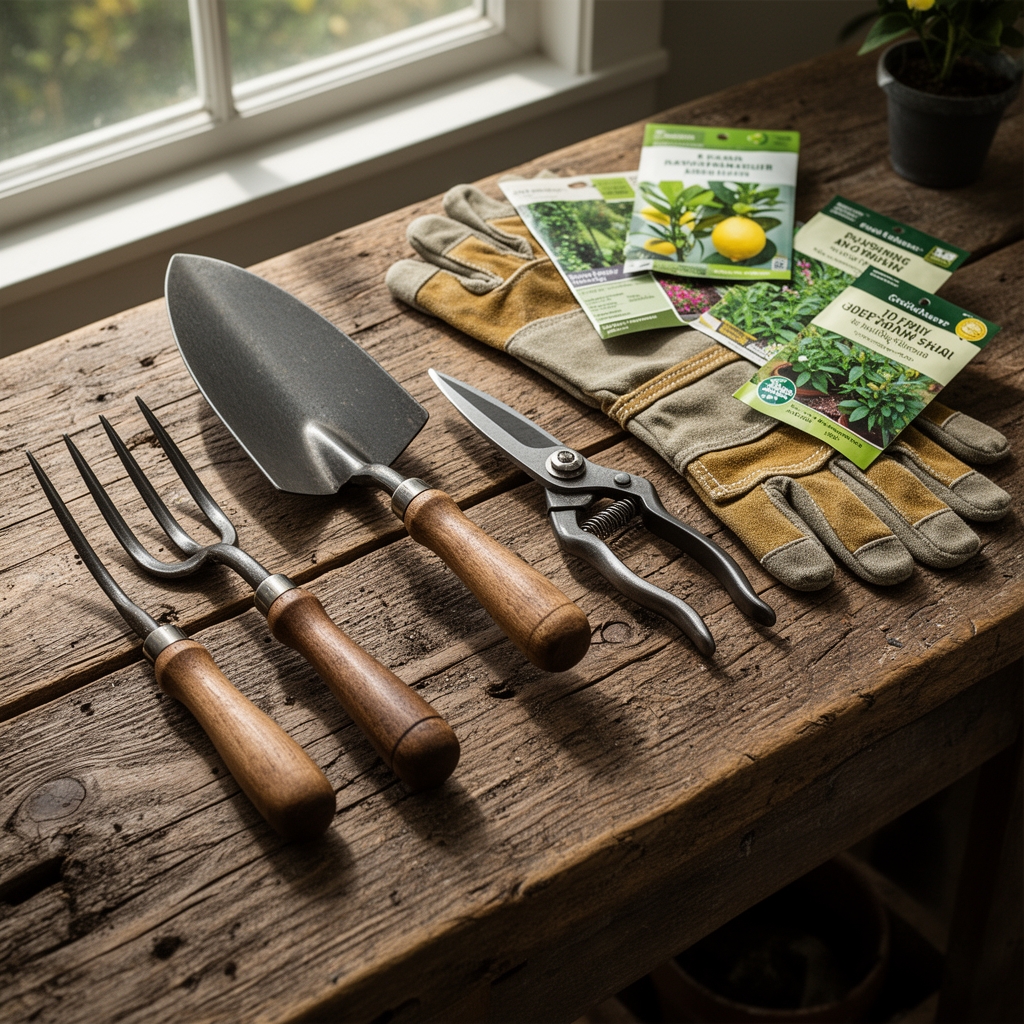
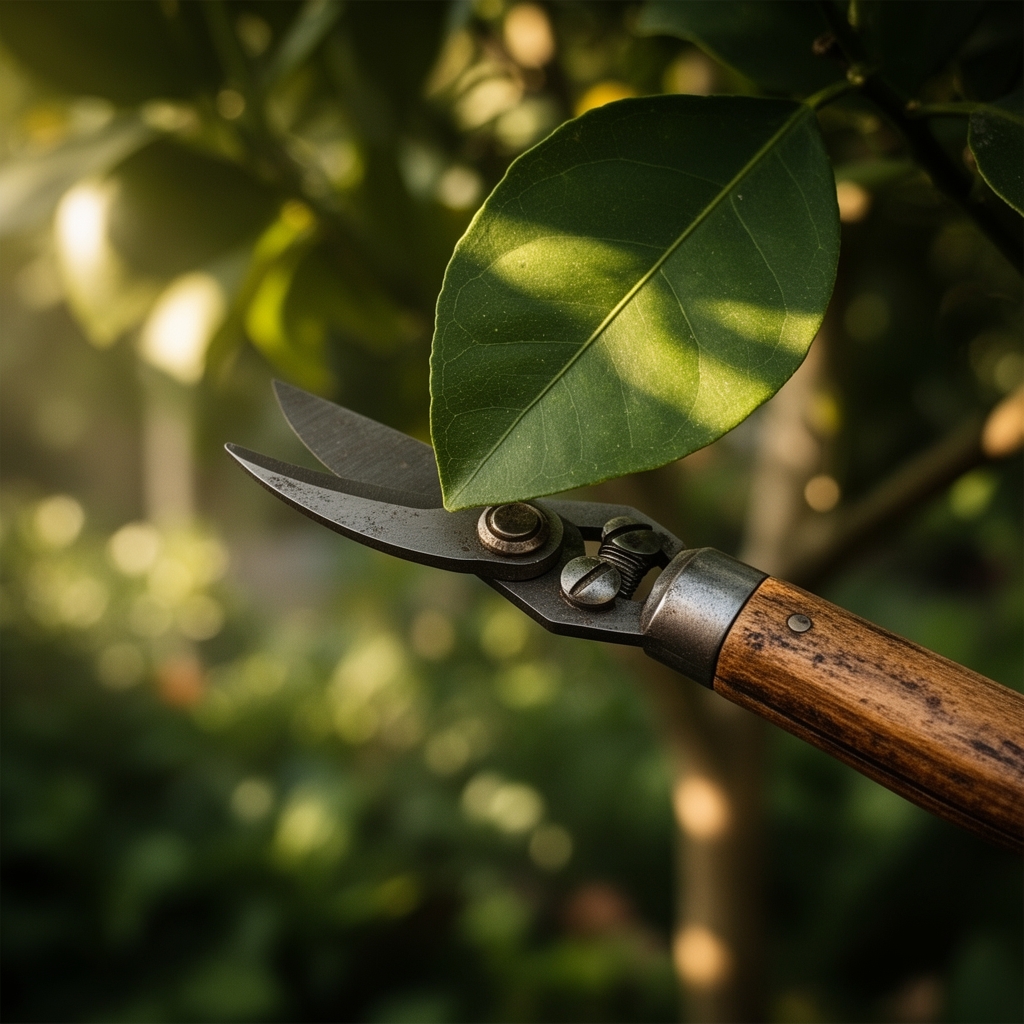
Bypass pruners with blades no wider than 0.75 inches ensure clean cuts that callus within seven to ten days. Anvil pruners crush cambium tissue and invite Phytophthora colonization. Isopropyl alcohol at 70 percent concentration sterilizes blades between cuts when working on multiple branches.
Citrus-specific fertilizer with an NPK ratio of 6-3-3 supports post-pruning recovery. The elevated nitrogen component compensates for the temporary loss of leaf area. Chelated iron and manganese prevent interveinal chlorosis, common when pruning stress disrupts nutrient uptake. Soil pH between 6.0 and 6.5 optimizes cation exchange capacity in containers.
Mycorrhizal inoculant applied to fresh pruning wounds accelerates lignification. The fungal hyphae extend beyond the injury site and buffer against opportunistic pathogens. Horticultural-grade sulfur dust addresses exposed wood in high-humidity environments above 65 percent relative humidity.
Timing
USDA Hardiness Zones guide indoor citrus management despite climate control. Trees from Zones 9–11 genetics retain photoperiod sensitivity. Prune between late February and early April, after the winter dormancy but before the spring flush. This window allows wound closure before peak transpiration demand.
Avoid pruning within six weeks of the last expected frost date if the tree summers outdoors. Tender new growth following pruning is vulnerable to temperatures below 50 degrees Fahrenheit. In purely indoor settings, prune after fruit harvest and before flower initiation. Most indoor lemons set buds in response to a dry-down cycle and cooler night temperatures around 55 degrees Fahrenheit.
Phases
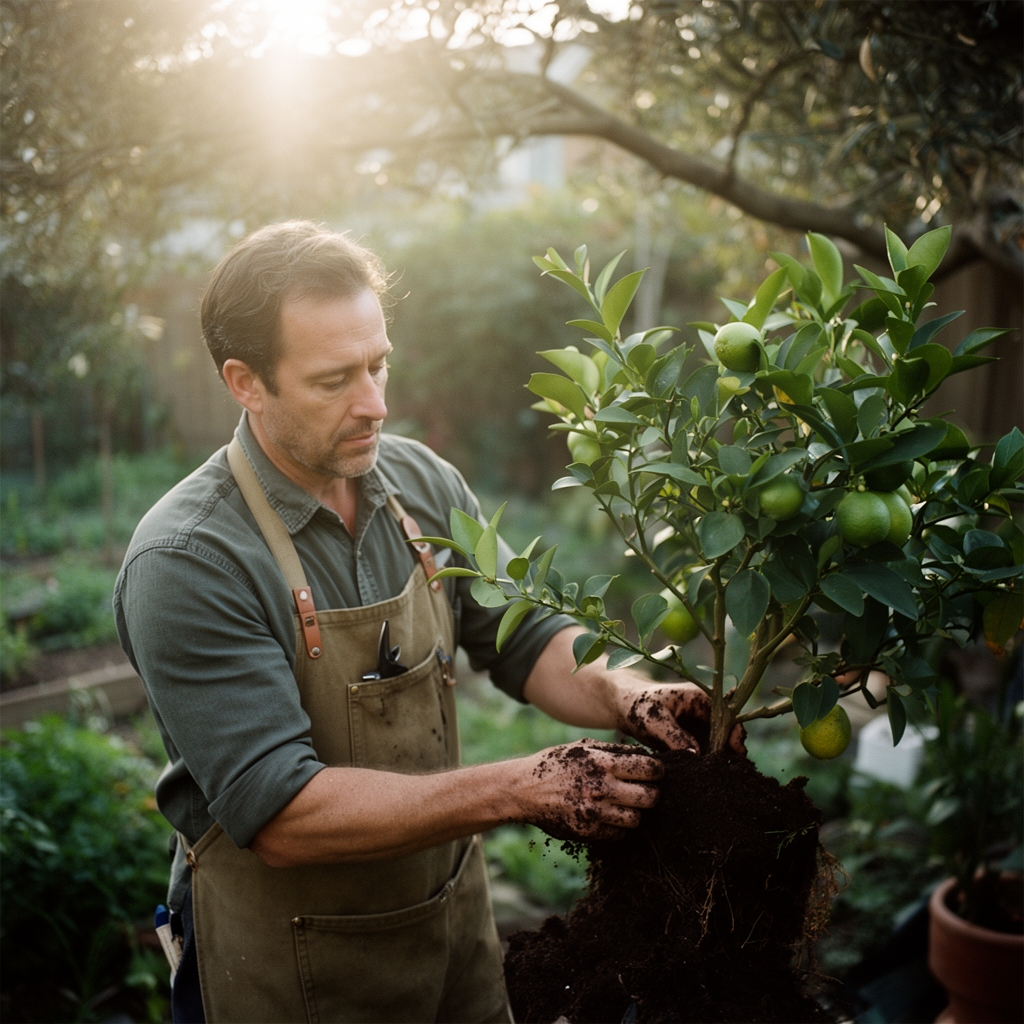
Sowing the Framework
Step one removes all dead, diseased, or crossing branches. Dead wood harbors scale insects and saps carbohydrate reserves. Cut back to the branch collar without leaving stubs longer than 0.25 inches. Step two eliminates water sprouts—vertical shoots emerging from older wood—that compete with fruiting laterals for resources.
Step three thins the canopy to allow light penetration to interior leaves. Remove up to one-third of the canopy volume, prioritizing branches growing inward or downward. Step four shortens remaining branches by 20 to 30 percent, cutting just above outward-facing nodes at a 45-degree angle. This angle sheds condensation and promotes lateral bud break.
Pro-Tip: Apply lanolin-based wound sealant only to cuts exceeding one inch in diameter. Smaller wounds self-seal faster without occlusion, and unnecessary sealant traps moisture that encourages fungal infection.
Transplanting Energy Sinks
Step five removes fruit clusters that formed on weak or shaded wood. These lemons rarely reach full Brix levels above 8 degrees and drain reserves from productive zones. Step six cuts back leggy growth—internodes longer than three inches—to a node with visible leaf axils. Compact internodes indicate adequate light and efficient auxin regulation.
Pro-Tip: Sterilize pruners after each cut when citrus greening symptoms appear. The bacterium Candidatus Liberibacter asiaticus spreads through contaminated tools even in indoor settings if psyllids breach the environment.
Establishing Maintenance Cycles
Step seven establishes the scaffold structure: three to five main branches radiating from the trunk at 45- to 60-degree angles. This architecture balances light interception with structural load capacity. Step eight is the quarterly pinch: removing the terminal two inches of actively growing shoots to encourage branching and compact form.
Pro-Tip: Time the quarterly pinch to coincide with foliar micronutrient sprays containing zinc and manganese at 0.5 percent concentration. The combined stress stimulates lateral bud activation more reliably than pruning alone.
Troubleshooting
Symptom: Gumming at pruning sites with amber exudate.
Solution: Reduce irrigation frequency. Excess soil moisture triggers gummosis. Allow the top two inches of soil to dry between waterings.
Symptom: Leaf drop exceeding 20 percent within two weeks post-pruning.
Solution: The cut removed too much photosynthetic area. Increase ambient humidity to 50 percent and reduce light intensity by 15 percent for three weeks to lower transpiration demand.
Symptom: New growth emerges pale yellow with green veins.
Solution: Iron deficiency. Drench soil with chelated iron at 1 tablespoon per gallon. Verify pH has not drifted above 6.8.
Symptom: Black sooty mold on leaves near pruning cuts.
Solution: Honeydew from scale insects feeding on sap. Apply horticultural oil at 2 percent concentration, covering leaf undersides and branch crotches.
Maintenance
Water when the top two inches of soil feel dry to the touch, delivering 1.5 inches of water per session until it drains from container holes. Indoor lemons in 10-gallon pots typically require irrigation every five to seven days.
Feed every four weeks during active growth with 6-3-3 liquid fertilizer diluted to half-strength. Flush soil with plain water every third month to prevent salt accumulation that raises substrate electrical conductivity above 2.0 dS/m.
Rotate the container 90 degrees weekly to ensure even light distribution. Uneven light causes lopsided canopy development that requires corrective pruning.
FAQ
How much can I prune without harming the tree?
Remove no more than one-third of the canopy in a single session. Exceeding this threshold depletes carbohydrate reserves below the compensation point.
Should I prune before or after flowering?
Prune before bud swell. Removing flowers wastes the energy invested in their development.
Can I propagate cuttings from pruned branches?
Yes. Semi-hardwood cuttings four to six inches long root in perlite within six weeks under 80 percent humidity.
Do indoor lemons need different pruning than outdoor trees?
Indoor trees require more frequent, lighter pruning due to uniform growing conditions that eliminate natural dormancy checks.
What do I do if I accidentally over-prune?
Reduce fertilization by half, increase humidity, and avoid further pruning for four months to allow recovery.