6 Steps to Install a Summer Garden Misting Line
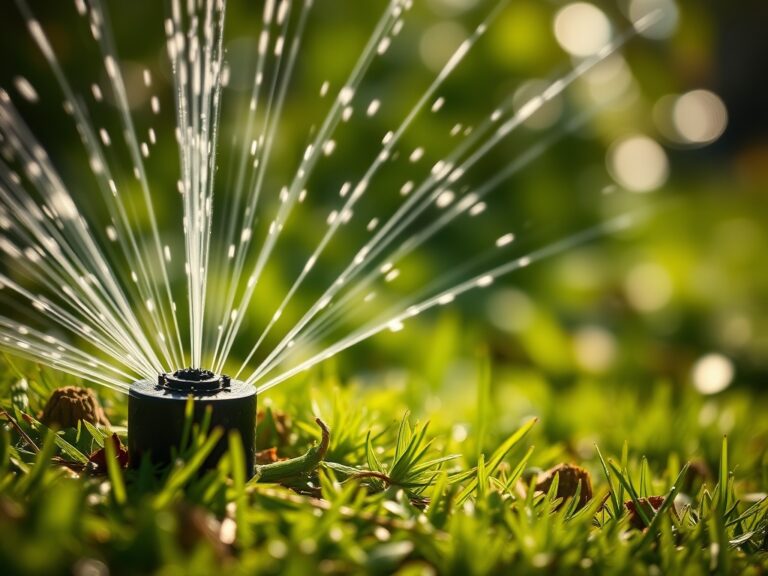
The June heat presses down on tomato canopies and cucumber leaves begin to curl at the edges before noon. A fine mist drifts across the garden bed, lowering ambient temperature by 15 to 20 degrees Fahrenheit while raising relative humidity to 60 percent. This microclimate shift reduces transpiration stress and allows stomata to remain open for gas exchange during peak photosynthetic hours. Steps for installing a garden misting line require planning water pressure, selecting appropriate nozzle sizes, and calculating coverage zones to match plant density and canopy architecture.
Materials
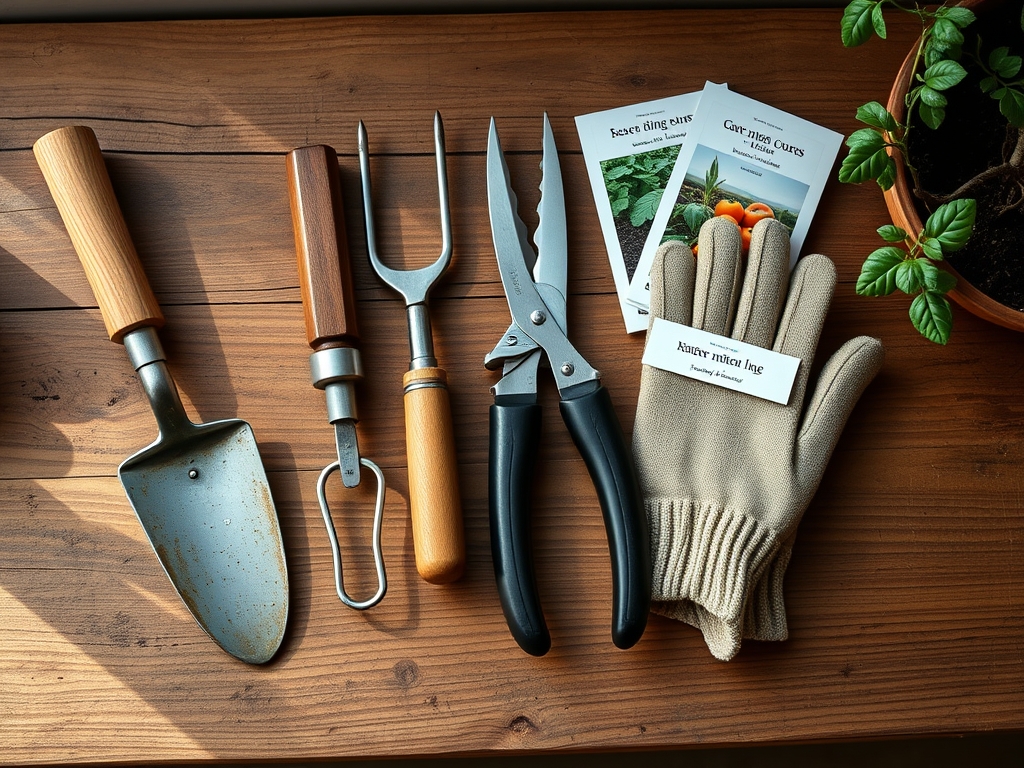
Begin with a pressure gauge to measure your water source. Municipal systems typically deliver 40 to 60 psi, while well pumps range from 30 to 50 psi. Purchase a pressure regulator rated for 30 psi to prevent nozzle blowout and ensure uniform droplet size. Select polyethylene tubing with a 1/2-inch inner diameter rated for UV exposure and 100 psi burst pressure.
Brass or stainless steel misting nozzles with orifice diameters of 0.012 to 0.016 inches produce droplets between 10 and 50 microns. These remain suspended long enough to evaporate before reaching the soil surface, avoiding waterlogged conditions that disrupt cation exchange capacity and oxygen availability in the root zone. Choose nozzles with anti-drip check valves to prevent residual drip when the system shuts off.
Support hardware includes galvanized steel stakes at 8-foot intervals, nylon cable ties rated for outdoor use, and threaded tee fittings. A battery-operated timer with multiple daily cycles provides automated operation. Install a 200-mesh filter at the water source to prevent calcification and organic debris from clogging nozzle orifices. For systems serving more than 100 square feet, add a fertilizer injector to introduce a dilute solution of 20-10-20 water-soluble NPK at 50 to 100 ppm nitrogen during scheduled misting events.
Timing
Hardiness zones 7 through 10 experience summer temperatures exceeding 90 degrees Fahrenheit for extended periods. Install misting lines two weeks after the last frost date when transplants are established but before sustained heat arrives. In zone 7, this window opens from late April to mid-May. Zone 8 installation begins in mid-April, while zones 9 and 10 can install systems by late March.
Monitor soil temperature at 4-inch depth. When readings stabilize above 65 degrees Fahrenheit, root growth accelerates and plants benefit most from evaporative cooling during midday heat. Avoid installation during active bloom periods for fruiting crops; excessive humidity can inhibit pollen viability and interfere with auxin distribution during fruit set.
Phases

System Design: Measure garden dimensions and calculate total square footage. Divide the area into zones based on plant height. Low-growing greens and herbs require nozzles positioned 18 to 24 inches above the canopy. Trellised tomatoes and pole beans need lines elevated to 6 or 7 feet. Sketch nozzle placement at 24-inch intervals along the mainline for uniform coverage. Each nozzle covers approximately 4 square feet.
Pro-Tip: Run the system during daylight hours only. Misting after 5 PM raises nocturnal humidity above 85 percent, creating conditions favorable for Botrytis cinerea and Phytophthora capsici colonization.
Physical Installation: Drive galvanized stakes into the soil at 8-foot intervals along the planned route. Attach the polyethylene tubing to stakes using cable ties, leaving 3 to 4 inches of slack between attachment points to accommodate thermal expansion. Connect the mainline to the water source with a backflow preventer, pressure regulator, and filter assembly in series.
Drill pilot holes into the tubing using a 5/32-inch bit at marked nozzle locations. Thread nozzles hand-tight into barbed fittings or compression adapters. Orient nozzles at a 45-degree angle to prevent direct spray onto blossoms and developing fruit.
Pro-Tip: Flush the system for 60 seconds before installing nozzles to clear debris from the interior of the tubing. Particulate matter as small as 50 microns can obstruct fine orifices.
Calibration and Testing: Activate the system and observe the mist pattern from each nozzle. Adjust pressure to achieve a fine fog without visible droplets landing on foliage. Run a 10-minute test cycle and measure water usage with a flow meter. A properly calibrated system applies 0.1 to 0.2 inches of water per hour across the coverage zone. Program the timer for 3 to 5 cycles daily between 10 AM and 4 PM, each lasting 2 to 5 minutes.
Pro-Tip: Place a rain gauge at three points within the misting zone to verify uniform distribution. Variance greater than 15 percent indicates pressure imbalance or clogged nozzles.
Troubleshooting
Symptom: White mineral deposits form on nozzle surfaces and flow decreases by more than 30 percent. Solution: Remove nozzles and soak in a 5 percent citric acid solution for 30 minutes. Rinse thoroughly and reinstall. Consider installing a water softener if calcium hardness exceeds 200 ppm.
Symptom: Fungal lesions appear on lower leaves near misted zones. Solution: Reduce misting duration to 2-minute cycles and increase intervals to 90 minutes. Improve air circulation with oscillating fans rated at 1500 cubic feet per minute.
Symptom: Uneven mist coverage with dry patches between nozzles. Solution: Verify water pressure remains between 28 and 32 psi. Add intermediate nozzles at 18-inch spacing to close gaps.
Symptom: System activates but no mist emerges. Solution: Check filter screen for blockage. Replace or clean the 200-mesh element.
Maintenance
Inspect nozzles weekly for calcium buildup and algae growth. Remove and soak affected components in white vinegar diluted 1:1 with water for 15 minutes. Replace polyethylene tubing every 3 to 4 years as UV degradation reduces burst strength by 40 percent over time.
Drain the system completely before the first frost in zones 7 and 8. Disconnect the mainline from the water source and blow compressed air at 20 psi through the tubing to evacuate residual water. Store nozzles indoors to prevent freeze damage to check valves.
Apply 1 inch of water per week through conventional irrigation to supplement misting. The evaporative cooling effect does not contribute to root zone moisture. Monitor substrate pH monthly; calcium carbonate from hard water can raise pH above 7.2, reducing iron and manganese availability.
FAQ
How much water does a misting system use? A 200-square-foot system operating five daily cycles consumes 15 to 25 gallons per day, approximately 30 percent less than overhead sprinklers covering the same area.
Can I use rainwater with a misting system? Yes, but install a first-flush diverter and 50-micron sediment filter to remove organic particulates that accelerate nozzle clogging.
Will misting harm open blossoms? Brief 2-minute cycles do not saturate petals or wash away pollen. Avoid cycles longer than 4 minutes during peak bloom.
What's the ideal droplet size for evaporative cooling? Droplets between 10 and 30 microns remain airborne long enough to evaporate completely, maximizing temperature reduction without wetting foliage.
Do I need a pump for well water systems? If your well pump delivers less than 30 psi, add a booster pump rated for 1/2 horsepower to maintain consistent pressure across all nozzles.