9 Best Basalt Stones for Modern Water Features
The sound of water cascading over dark volcanic rock transforms any garden into a living sculpture. Best basalt for garden water features delivers both aesthetic weight and functional performance, with columnar formations that channel water into sheets and threads while resisting erosion far better than limestone or sandstone. The igneous origin of basalt means zero calcium carbonate leaching, preserving pond pH stability for fish and aquatic plants alike.
Materials

Columnar Basalt (pH Neutral, 6.8-7.2)
Hexagonal pillars formed during slow cooling provide vertical drama. Select pieces 18-36 inches tall with intact column ends. These formations create laminar water flow patterns that reduce splashing and oxygenate pond water efficiently.
Vesicular Basalt (pH 6.5-7.0)
Gas pocket textures trap beneficial bacteria colonies. The porous surface area supports biofilm development similar to ceramic bio-media in aquarium filters. This stone type requires no nutrient amendments but benefits from initial colonization with nitrifying bacteria at 0.25 oz per square foot of stone surface.
Ropy Pahoehoe Basalt (pH 6.8-7.3)
Smooth, wave-like surfaces guide water into controlled channels. The silica content (48-52%) creates a glassy patina that darkens dramatically when wet. Best paired with submersible pumps rated at 500-1200 GPH for optimal visual effect.
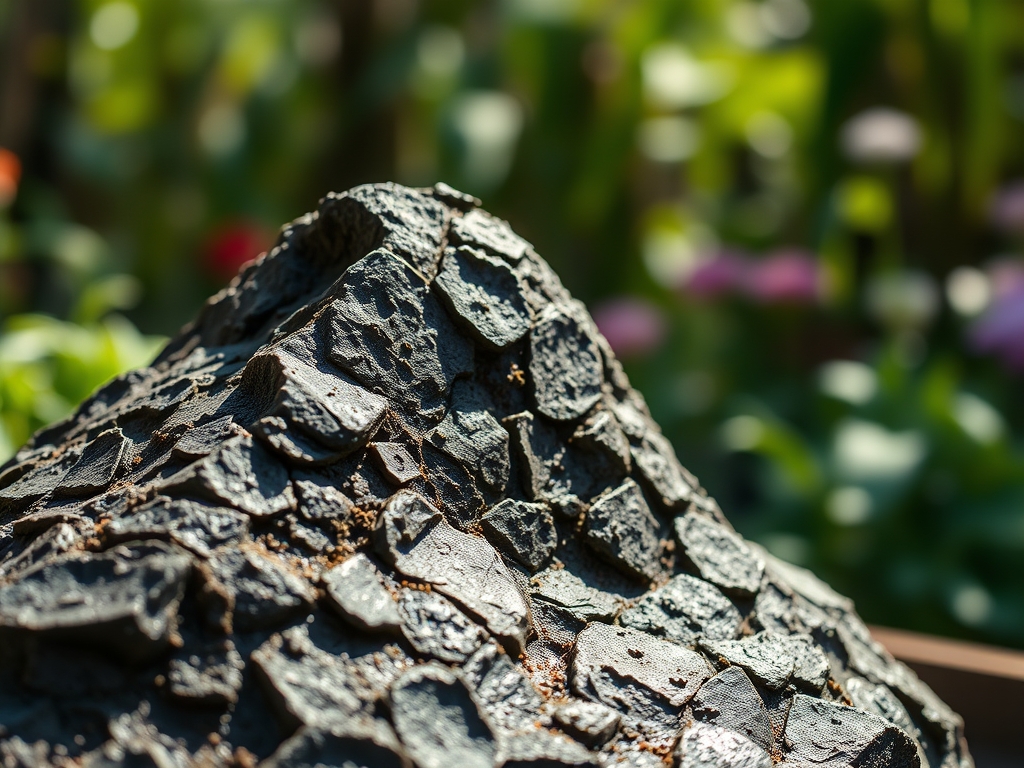
Fractured Plateau Basalt (pH 7.0-7.4)
Angular breaks expose iron-rich matrices that develop orange oxidation patinas within 6-12 months. The cation exchange capacity remains negligible, making this ideal for soft-water features. Apply ferrous sulfate solution (1 tablespoon per gallon) monthly to accelerate weathering if desired.
Pillow Basalt (pH 6.6-7.1)
Rounded lobes from underwater formation suit naturalistic stream beds. The micro-texture promotes algae establishment. Scrub with 3% hydrogen peroxide solution initially to control unwanted biofilm during the first 30 days.
Black Basalt Gravel (pH 6.9-7.2, 0.5-2 inch)
Base material for fountain catch basins. Layer 4-6 inches deep over pond liner to protect from UV degradation. Provides surface area for heterotrophic bacteria at roughly 850 square feet per cubic foot of gravel.
Flame-Cut Basalt Blocks (pH 7.0-7.3)
Thermal finishing exposes crystalline structure. Stack dry without mortar for flexible waterfalls. Each block should weigh 40-80 pounds for stability without footer requirements.
Drilled Basalt Spheres (pH 6.8-7.2)
Pre-drilled 8-14 inch orbs for bubbling fountain features. Requires 1.25-inch center bore and pump with 6-foot head pressure minimum. The smooth exterior minimizes biofilm but maximizes visual continuity.
Basalt Stepping Stones (pH 6.9-7.3, 2-4 inch thick)
Flat pieces 12-18 inches wide for pond access. Surface must be flame-textured or left rough to prevent slip hazards. Space 20-24 inches apart for average human stride length.
Timing
Install best basalt for garden water features during dormant season (Zones 3-7: October-March; Zones 8-10: November-February). Frozen ground complicates excavation, but dormant installation allows liner settlement before spring root growth pressure. Wait until soil temperature reaches 50°F at 6-inch depth before introducing live aquatic plants.
Seal pump installations before first hard frost (28°F for 4+ hours). Drain above-ground plumbing when night temperatures drop below 35°F consistently. In Zones 3-5, remove pump systems entirely and store indoors.
Phases

Foundation Phase
Excavate to 18-24 inches below final water surface. Compact subsoil to 92% density using plate compactor. Spread 2-inch sand bed screened to remove particles above 0.25 inch. Lay 45-mil EPDM liner with 6-inch minimum edge overlap.
Pro-Tip: Dust sand bed with mycorrhizal fungi inoculant (Glomus intraradices strain) at 0.5 oz per 10 square feet if marginal plantings are planned within 18 inches of stone features.
Placement Phase
Position largest anchor stones first, burying bottom third for stability. Angle columnar pieces 5-15 degrees from vertical to guide water sheets. Create pump housing with stacked stones, leaving 2-inch clearance around pump body for maintenance access.
Pro-Tip: Apply silicon carbide grit (60-grit) to planned water contact surfaces, then rinse. This controlled abrasion accelerates the natural grip texture that develops over 2-3 seasons and improves water sheeting patterns.
Activation Phase
Fill system and run continuously for 72 hours to purge stone dust. Test pH every 12 hours. Add dechlorinator at label rates (typically 1 ml per 10 gallons). Introduce hardy aquatic plants (Juncus effusus, Iris pseudacorus) at this stage.
Pro-Tip: Seed with 4 oz of established pond sediment per 100 gallons to accelerate nitrogen cycle. Target ammonia <0.5 ppm, nitrite <0.1 ppm before adding fish.
Troubleshooting
Symptom: White mineral deposits forming within 2-4 weeks
Solution: Municipal water contains calcium/magnesium carbonates. Switch to rainwater harvest or install reverse osmosis system. Scrub existing deposits with undiluted white vinegar (5% acetic acid) and nylon brush.
Symptom: Green algae coating all surfaces within first month
Solution: Excess nutrient load or insufficient circulation. Reduce feeding if fish are present. Increase pump capacity to achieve complete water volume turnover every 1-2 hours. Add submerged oxygenators (Ceratophyllum demersum) at 1 bunch per 2 square feet of surface.
Symptom: Water flow diminishing over 3-6 month period
Solution: Biofilm buildup in pump intake. Disassemble pump monthly and soak impeller assembly in 10% citric acid solution for 30 minutes. Rinse thoroughly before reinstallation.
Symptom: Cracking sounds from stacked basalt during winter
Solution: Freeze-thaw expansion in trapped water pockets. Ensure all horizontal surfaces slope minimum 2 degrees for drainage. Apply penetrating silane sealer (not film-forming) to porous stones in Zones 3-6.
Symptom: Orange-brown staining spreading from stone contact points
Solution: Iron oxidation leaching into water. Normal for basalt containing 8-12% iron oxide. Non-toxic but may stain concrete or light-colored liners. Create buffer zone with dark river rocks if aesthetic concern exists.
Maintenance
Run pumps continuously during active season to prevent biofilm stratification. Clean mechanical filters weekly by backflushing with pond water. Replace 10% of water volume weekly to maintain dissolved mineral balance below 200 ppm total dissolved solids.
Apply beneficial bacteria concentrate (Bacillus subtilis strains) monthly at 0.5 oz per 100 gallons to maintain nitrogen cycle efficiency. Test pH biweekly during first year, then monthly thereafter. Target range: 6.8-7.4 for mixed plantings and goldfish.
Remove fallen leaves daily during autumn to prevent tannin accumulation. Trim marginal plants to 3-inch stubs after first killing frost. Net features if overhead deciduous trees drop more than 2 pounds of leaf litter per 100 square feet of water surface.
Inspect pump seals and impellers every 400 operating hours. Replace pump if flow rate drops below 70% of rated capacity even after cleaning. Drain and scrub basalt surfaces annually with pond-safe algaecide containing copper sulfate (0.5 ppm maximum concentration).
FAQ
What pump size works best for basalt fountain features?
Match pump to stone height: 100 GPH per vertical inch for sheet effects, 200 GPH per inch for turbulent cascades. A 24-inch columnar basalt feature requires minimum 2400 GPH pump for full-face water coverage.
Does basalt change water chemistry?
Basalt releases negligible minerals. Expect pH drift of less than 0.2 units annually. The inert nature makes basalt superior to limestone or tufa in systems housing acid-preferring plants or soft-water fish species.
How do I prevent mosquito breeding?
Continuous water movement disrupts larvae development. Maintain minimum surface agitation of 1-inch ripple height. Add mosquito dunks (Bacillus thuringiensis israelensis strain) every 30 days as secondary control at 1 dunk per 100 square feet.
Can basalt features function in freezing climates?
Yes, if winterized properly. Drain all plumbing, remove pumps, and leave basin water level 6 inches below stone edges to allow ice expansion. Solid basalt tolerates freeze-thaw cycles indefinitely when moisture cannot accumulate in horizontal cracks.
What causes white foam in new basalt water features?
Protein fractionation from disturbed biofilm or excess dissolved organics. Skim foam and increase mechanical filtration. Foam should resolve within 10-14 days as bacterial colonies stabilize. Avoid adding anti-foam agents which disrupt beneficial surface gas exchange.