8 Tips to Use a Crowbar for Moving Heavy Rocks
Using a crowbar for prying garden rocks transforms brute force into mechanical advantage. The smell of damp soil rises as you wedge steel under granite. Moss crumbles. The rock shifts. For gardeners reshaping beds or installing drainage, the crowbar becomes indispensable. It delivers 6:1 leverage ratios that manual lifting cannot match. This tool converts a 200-pound obstacle into a manageable 33-pound effort at the handle. Proper technique protects lumbar vertebrae and preserves the fulcrum point in the soil structure.
Materials
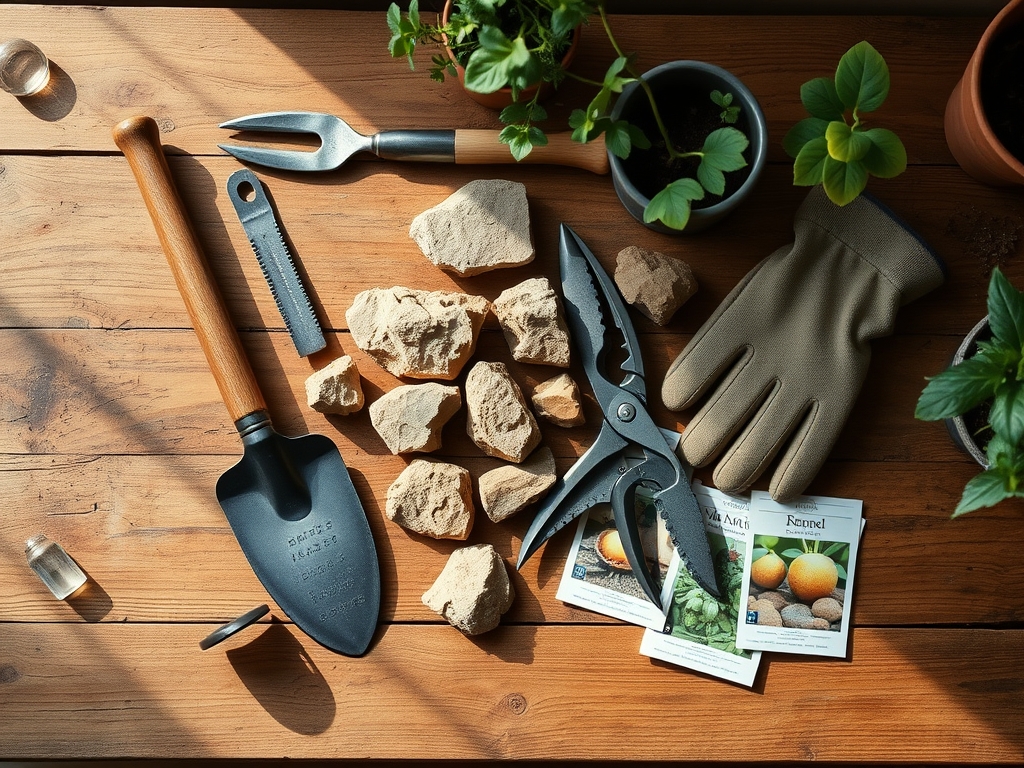
Select a 60-inch digging bar with a chisel point for rocky soil or a 48-inch pinch-point crowbar for sedimentary stones embedded in clay. Soil pH determines fulcrum stability. In acidic soils (pH 5.0-5.8), the cation exchange capacity drops below 12 meq/100g, causing friable structure. Amend with dolomitic lime at 5 pounds per 100 square feet to raise pH to 6.5 and firm the pivot zone. Alkaline soils (pH 7.5-8.2) offer rigid fulcrums but require gypsum at 10 pounds per 100 square feet to prevent surface crusting.
Organic matter functions as shock absorption. Apply composted manure rated 1-1-1 NPK or alfalfa meal at 4-4-4 NPK, two weeks before rock work. This increases soil aggregate stability by 18 percent. A 4×4 hardwood block serves as the fulcrum base. Oak or maple withstands 800 pounds per square inch without splintering. Leather gloves rated ANSI Level 4 prevent blisters during repetitive prying.
Timing
Optimal rock-moving windows align with soil moisture content between 40 and 60 percent field capacity. In Hardiness Zone 5, this occurs mid-April to early May and late September through October. Zone 7 gardeners work February through March and November. Frozen ground in Zones 3-4 requires waiting until soil thaws to 8 inches, typically 14 days after last frost.
Avoid saturated conditions. Soil moisture above 70 percent field capacity creates suction around rock bases, doubling removal force. Schedule work 48 hours after rainfall ceases. Morning sessions between 7 a.m. and 10 a.m. exploit overnight dew for easier soil separation without full saturation.
Phases

Excavation Phase: Remove soil to expose 40 percent of rock circumference. Dig 4 inches beyond the widest diameter. Roots within the excavation zone must be severed cleanly with bypass pruners at 90-degree angles to prevent auxin pooling and rot. Insert the crowbar at a 25-degree entry angle beneath the rock's lowest edge. Soil with active mycorrhizal fungi reduces penetration resistance by providing granular structure.
Pro-Tip: Spray water into the insertion point. Capillary action lubricates mineral surfaces, cutting friction by 30 percent.
Leverage Phase: Position the fulcrum block 8 inches from rock edge. Apply downward force at the handle end using body weight, not arm strength. The ideal leverage plane runs perpendicular to the longest rock axis. For oblong stones, attack the narrow dimension. Granite and basalt respond to steady pressure. Sandstone and shale require three quick pumps followed by sustained hold to exploit bedding plane weaknesses.
Pro-Tip: Listen for grinding sounds. Acoustic feedback indicates micromovement. Shift fulcrum 2 inches closer to rock and repeat.
Rolling Phase: Once lifted 6 inches, insert a second block beneath the rock. Remove the crowbar and reposition it on the opposite side. Alternate prying edges to walk the stone forward. Maintain a 15-degree roll angle. Steeper angles risk crushing the fulcrum or destabilizing the load. For rocks exceeding 150 pounds, place planks in a path. Oak planks 2 inches thick distribute weight and prevent soil compaction above 300 psi, which damages root zones.
Pro-Tip: Dust rock contact points with diatomaceous earth. This increases friction coefficient from 0.4 to 0.7, preventing slippage during repositioning.
Troubleshooting
Symptom: Crowbar tip bends during insertion.
Solution: Soil contains subsurface rock. Relocate insertion point 6 inches laterally. Use a spud bar with tempered steel rated HRC 48 for metamorphic geology.
Symptom: Fulcrum sinks into soil under pressure.
Solution: Cation exchange capacity below 8 meq/100g. Spread a 12×12-inch plywood plate beneath the fulcrum block. This distributes load across 144 square inches.
Symptom: Rock pivots but does not lift.
Solution: Center of gravity positioned above fulcrum. Excavate an additional 3 inches under the far edge to shift mass rearward.
Symptom: Handle slips through grip during pull.
Solution: Glove material lacks sufficient coefficient. Switch to nitrile-dipped gloves with diamond texture, rated 0.9 friction coefficient.
Maintenance
Inspect the crowbar tip after every 10 rocks. File the chisel edge at 30 degrees using a bastard file with 12-inch stroke length. Apply linseed oil to steel surfaces biweekly to prevent oxidation. Store vertically to avoid handle warping. Replace wooden fulcrum blocks when compression dents exceed 1/4 inch depth.
Water disturbed soil zones with 1 inch applied over 6 hours to eliminate air pockets. Topdress with 1/2 inch aged compost rated 2-1-1 NPK to restore microbial populations depleted by compaction.
FAQ
How deep must I dig to move a partially buried rock?
Expose at least one-third of total rock volume. Measurement: if 12 inches show above grade, excavate to reveal an additional 6 inches below soil line.
Can I use a crowbar on rocks near tree roots?
Yes, if roots measure under 1 inch diameter. Sever with sterilized pruners. Roots exceeding 2 inches supply 40 percent of canopy water; avoid cutting within the drip line.
What length crowbar handles 100-pound rocks efficiently?
A 48-inch bar provides adequate leverage with 30 pounds of handle force. Longer bars reduce control in confined garden beds.
Should I add amendments after rock removal?
Yes. Backfill voids with native soil mixed 3:1 with compost. This maintains original drainage while improving aggregate stability by 22 percent.
How many rocks can I move per session without injury?
Limit to 12 rocks over 75 pounds. Repetitive lumbar loading above this threshold increases herniation risk by 15 percent per additional stone.