6 Development Benefits of Specialized Bonsai Soil
Crushing a handful of damp akadama reveals the mechanical integrity required for high level arboriculture; the granules resist pulverization while maintaining the hydraulic conductivity necessary for fine root proliferation. When a tree achieves maximum turgor pressure, its leaves feel stiff and leather-like, a direct result of efficient water transport from the rhizosphere to the stomata. Using a specialized bonsai soil ensures that this vascular efficiency is not a matter of chance but a result of calculated substrate engineering. Standard potting mixes collapse under the frequent irrigation cycles required for containerized trees, leading to anaerobic conditions and subsequent root rot. A technical substrate maintains a high Cation Exchange Capacity (CEC) while allowing for 50 percent macropore space. This balance allows the tree to maximize nutrient uptake without the risk of stagnant water. By controlling the particle size distribution, usually between 2 millimeters and 6 millimeters, the grower dictates the rate of gas exchange. This gas exchange is the primary driver of metabolic activity in the woody tissue, ensuring the tree has the energy reserves to survive aggressive pruning and wiring.
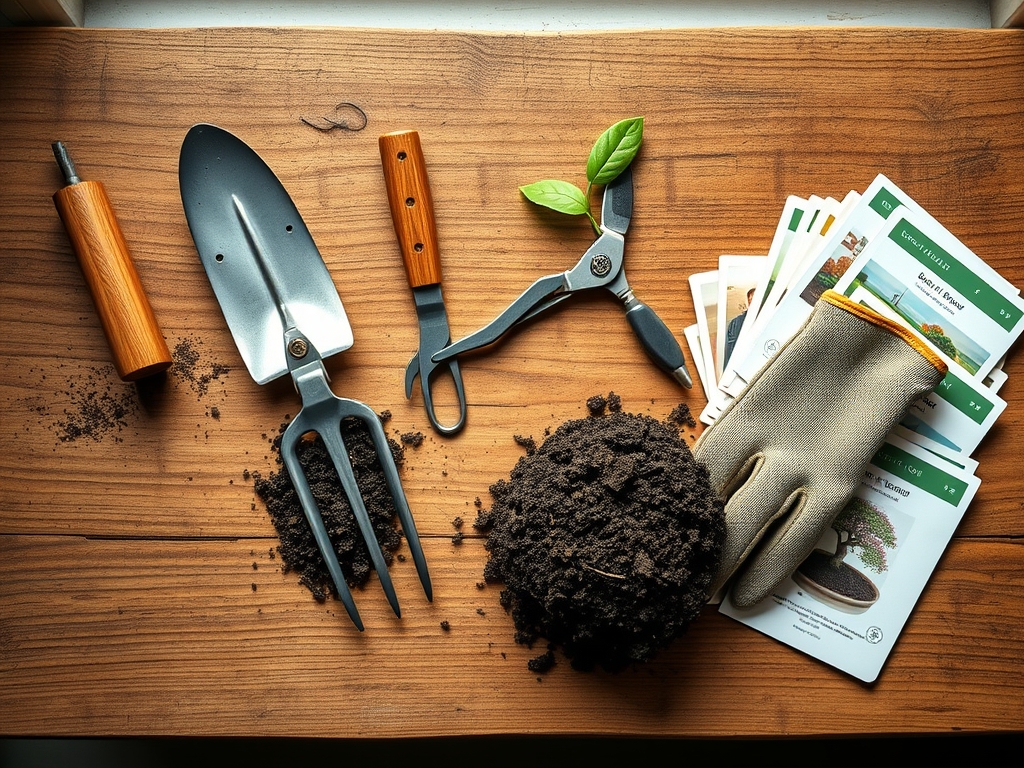
Materials:
The chemical composition of the substrate must align with the specific physiological needs of the species. For coniferous species like Juniperus or Pinus, the ideal soil pH should sit between 5.5 and 6.5. Deciduous species often prefer a slightly more neutral range of 6.0 to 7.0. A friable loam texture is achieved by blending inorganic components like akadama, pumice, and volcanic scoria.
Nutrient management begins with a baseline NPK ratio embedded in the organic components of the mix or applied via slow release pellets. For the vegetative growth phase, a ratio of 10-10-10 provides a balanced supply of macro nutrients. During the late season, transitioning to a 0-10-10 NPK ratio encourages lignification and root development rather than succulent green growth. The physical substrate must remain stable; it should not break down into fine dust for at least two to three growing seasons. This stability prevents the "perched water table" effect, where a layer of saturated soil at the bottom of the pot suffocates the lowest roots.
Timing:
Timing is dictated by the Hardiness Zone and the specific biological clock of the tree. In Zones 5 through 8, the window for repotting and soil replacement typically opens in late winter or early spring, just as the buds begin to swell but before the first leaves unfurl. This period aligns with the tree's transition from dormancy to the vegetative stage. During this window, the tree has a high concentration of stored carbohydrates in its trunk and roots, providing the energy necessary to recover from root pruning.
Frost dates are critical. Repotting must occur after the hardest freezes have passed but while the tree is still cool enough to prevent excessive transpiration. If a tree is moved into new soil too late in the spring, the increased metabolic demand of new foliage can outpace the damaged root system's ability to provide water. Conversely, late autumn repotting is reserved for specific species in warmer climates (Zones 9 and 10), where the soil temperature remains above 45 degrees Fahrenheit long enough for mycorrhizal colonization to occur before winter dormancy.
Phases:
Sowing and Early Development
Initial propagation requires a finer substrate than mature specimens. Seeds or cuttings should be placed in a mix with a particle size of 1 to 3 millimeters. This ensures maximum contact between the developing radicle and the moist surface of the soil particles.
Pro-Tip: Maintaining high humidity around the seed coat triggers the synthesis of gibberellins, which are hormones that break dormancy and initiate the germination process.
Transplanting into Specialized Substrate
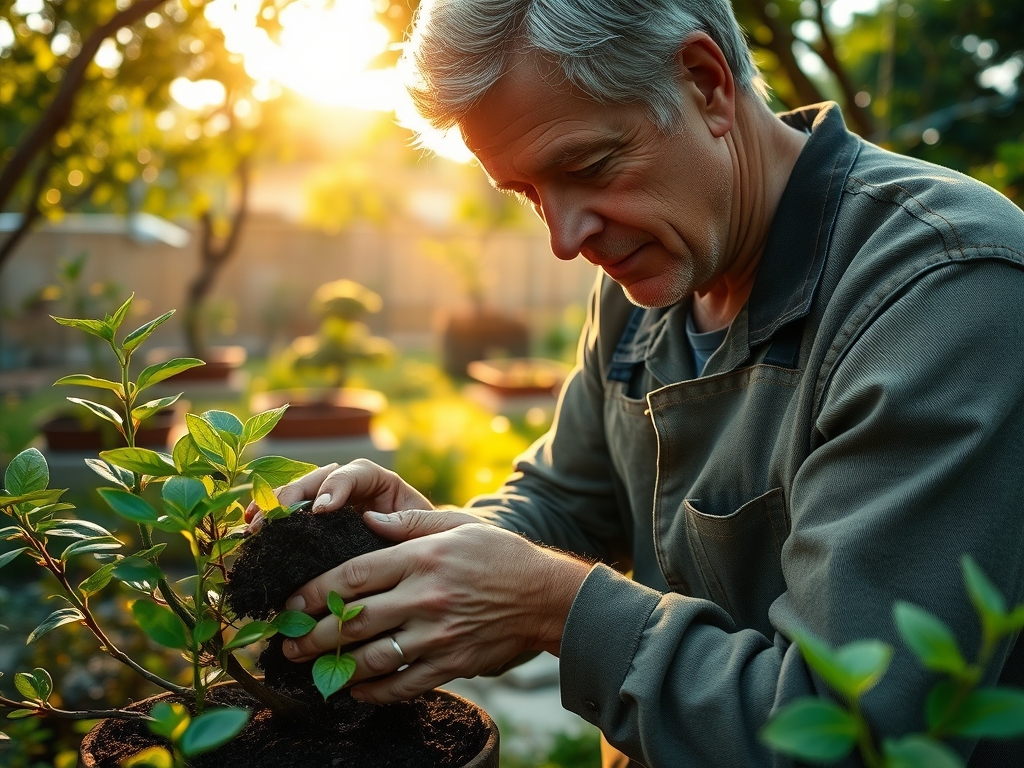
When moving a sapling into its first training pot, the transition to a coarser mix is vital. Remove approximately 30 percent of the old field soil to expose the root flare. Using a specialized bonsai soil at this stage encourages the development of a radial root system.
Pro-Tip: Pruning the downward growing taproot suppresses apical dominance through the reduction of auxin flow, which in turn stimulates the growth of lateral fine feeder roots.
Establishing the Root Architecture
Once the tree is in the specialized mix, it enters the establishment phase. This takes approximately one full growing season. During this time, the tree should not be heavily wired or pruned. The focus is on the symbiotic relationship between the roots and beneficial fungi.
Pro-Tip: Mycorrhizal symbiosis increases the effective surface area of the root system by up to 1,000 times, significantly enhancing the uptake of phosphorus and micronutrients.
The Clinic:
Physiological disorders often manifest in the foliage but originate in the substrate.
- Symptom: Interveinal chlorosis (yellowing between leaf veins).
Solution: This is often a sign of Manganese or Iron deficiency caused by a pH above 7.5. Lower the pH by adding chelated iron or sulfur.
- Symptom: Marginal leaf burn (browning of leaf edges).
Solution: This typically indicates salt accumulation from synthetic fertilizers. Flush the specialized soil with three volumes of distilled water to clear the rhizosphere.
- Symptom: Needle cast or sudden needle drop in conifers.
Solution: Check for anaerobic soil conditions. If the soil smells like rotten eggs (hydrogen sulfide), the drainage is blocked. Re-screen the soil or increase the percentage of pumice.
- Fix-It for Nitrogen Chlorosis: If the entire leaf turns pale green or yellow, the tree lacks Nitrogen. Apply a liquid fish emulsion at half strength every 14 days until the dark green color returns.
Maintenance:
Precision is the hallmark of professional maintenance. Use a soil moisture meter to monitor the volumetric water content; most bonsai thrive when the soil is kept between 20 and 40 percent moisture. On average, a tree in a 10 inch pot requires approximately 1.5 inches of water per week applied directly at the drip line.
When weeding or adjusting the soil surface, use a hori-hori knife to slice through stubborn weeds without disrupting the delicate surface roots. For structural maintenance, bypass pruners are used to make clean cuts that heal quickly. Every two years, use a root rake to gently tease out the outer two inches of the root ball, replacing the exhausted substrate with fresh specialized soil to maintain the Cation Exchange Capacity.
The Yield:
For flowering species like Satsuki Azaleas or fruiting species like Crabapple, the yield is measured in the density and health of the blooms. Harvesting flowers or fruit must be done before the plant invests too much energy into seed production. This prevents the tree from entering a state of senescence where it ignores vegetative health for reproductive success. Use sharp snips to remove spent blooms at the pedicel. This redirects sugars back into the vascular cambium, ensuring a thicker trunk and more robust buds for the following season.
FAQ:
Why is akadama used in bonsai soil?
Akadama is a fired clay from Japan that retains moisture while allowing for superior aeration. Its porous structure holds nutrients through cation exchange, making them available to the roots as needed without collapsing into fine silt over time.
Can I use regular potting soil for bonsai?
Regular potting soil contains too many organic fines, which leads to waterlogging and root suffocation. Bonsai require a granular, inorganic substrate to facilitate the rapid gas exchange necessary for the development of a compact, healthy root system.
How often should I change bonsai soil?
Most deciduous trees require soil replacement every 2 to 3 years. Slower growing conifers can remain in the same specialized soil for 5 years or more, provided the substrate has not broken down and the drainage remains efficient.
What is the ideal pH for bonsai soil?
A pH range of 5.5 to 6.5 is ideal for most species. This slightly acidic environment ensures that essential micronutrients like iron and magnesium remain soluble and available for root absorption, preventing common physiological disorders like chlorosis.