7 Reblooming Benefits of Specialized Orchid Fertilizer
Healthy orchid roots should feel like firm, hydrated rubber; they possess a distinct turgor pressure that resists a gentle squeeze. When you peel back the bark of a thriving Phalaenopsis, you encounter the smell of damp forest floor and active mycorrhizal activity. Achieving this state requires more than just water and indirect light. Using a specialized orchid fertilizer ensures the plant receives the specific micronutrients necessary to trigger the transition from vegetative growth to the reproductive phase. Standard garden fertilizers often contain urea-based nitrogen, which epiphytic orchids cannot easily process because they lack the necessary soil bacteria to break it down. By providing nitrogen in nitrate or ammoniacal forms, you bypass the need for complex soil decomposition. This direct delivery system fuels the development of new flower spikes rather than just leaf biomass. A precise nutrient regimen maintains the osmotic balance within the root cells, preventing the salt buildup that often leads to root tip necrosis. This scientific approach to feeding is the primary driver behind consistent, multi-seasonal reblooming cycles in domestic collections.
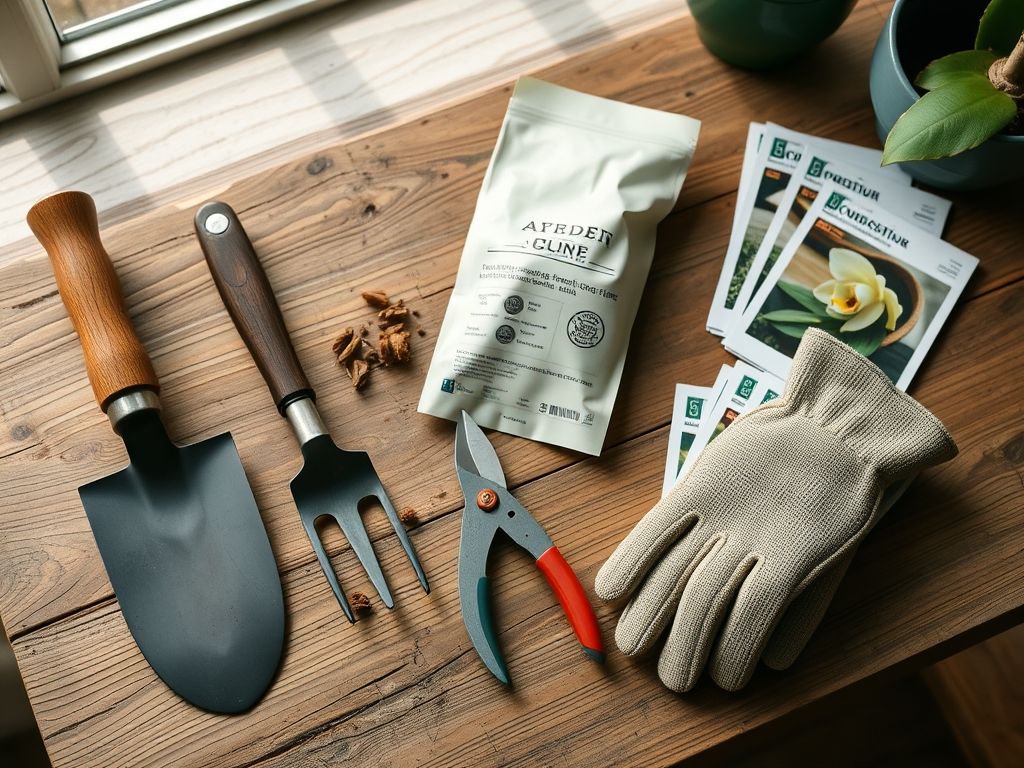
Materials:
Orchids require a substrate with high porosity and low Cation Exchange Capacity (CEC) to prevent nutrient toxicity. The ideal medium is not soil but a friable mix of **fir bark, perlite, and horticultural charcoal**. This structure ensures a **pH range of 5.5 to 6.5**, which is the optimal window for nutrient solubility.
For vegetative growth, use a 20-20-20 NPK ratio diluted to quarter strength. To induce flowering, transition to a "Bloom Booster" formula with a 10-30-20 NPK ratio. High phosphorus levels are essential for ATP production, which provides the energy required for flower spike elongation. Ensure your fertilizer includes trace elements: 0.05 percent Manganese, 0.02 percent Copper, and 0.1 percent Iron. These micronutrients act as catalysts for chlorophyll synthesis and enzyme activation within the rhizosphere.
Timing:
Orchids do not follow the standard frost-date windows of Hardiness Zones 4 through 8; instead, they respond to internal biological clocks and photoperiod shifts. Most cultivated species require a 10 to 15 degree Fahrenheit drop in nighttime temperatures for a period of four weeks to initiate bud primordia. In temperate climates, this usually aligns with the transition from autumn to winter.
The vegetative stage occurs when the plant produces new leaves and pseudobulbs, typically during the high-light months of spring and summer. You must begin using a specialized orchid fertilizer at the first sign of new root greening. Stop or significantly reduce fertilization during the dormant winter months when the plant's metabolic rate slows. Feeding during dormancy can lead to salt accumulation, which increases the osmotic pressure of the potting medium and dehydrates the roots.
Phases:
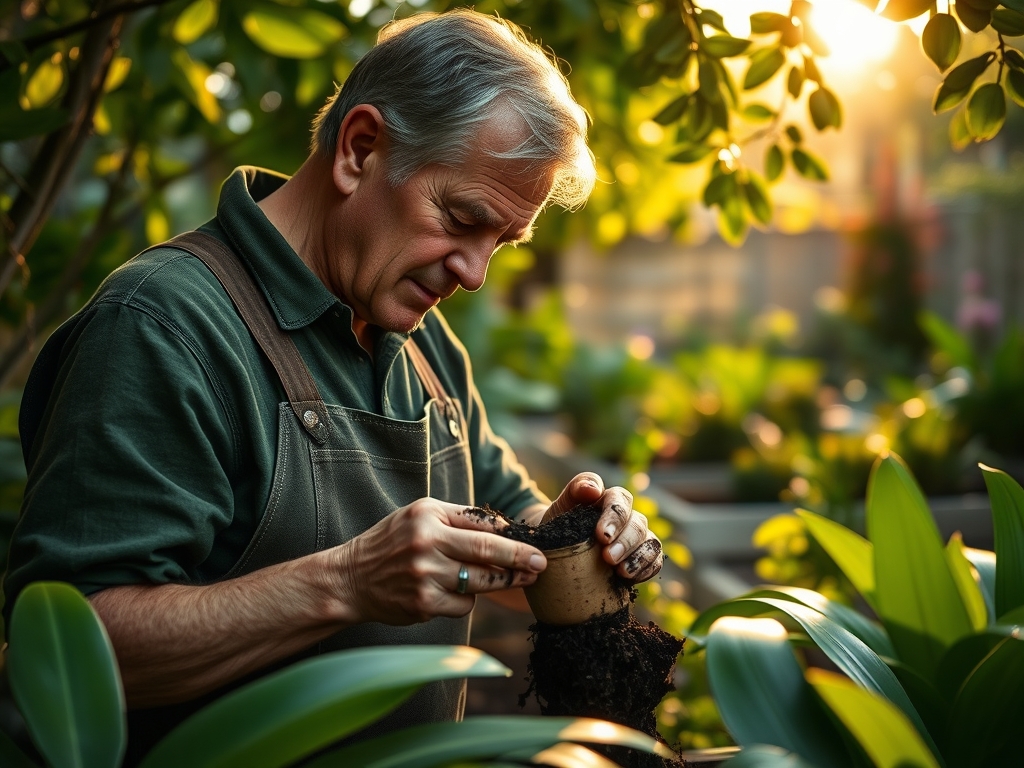
Sowing and Potting
Orchid seeds are microscopic and lack endosperm, requiring a symbiotic relationship with fungi to germinate. For the home grower, "sowing" usually refers to repotting a mature specimen. Select a pot that allows for only one inch of space around the root mass. Over-potting leads to "wet feet," where the center of the medium remains anaerobic, suffocating the roots.
Pro-Tip: Always soak bark-based media for 24 hours before potting. This increases the moisture-holding capacity of the lignin fibers, preventing the medium from wicking moisture away from the roots through capillary action.
Transplanting
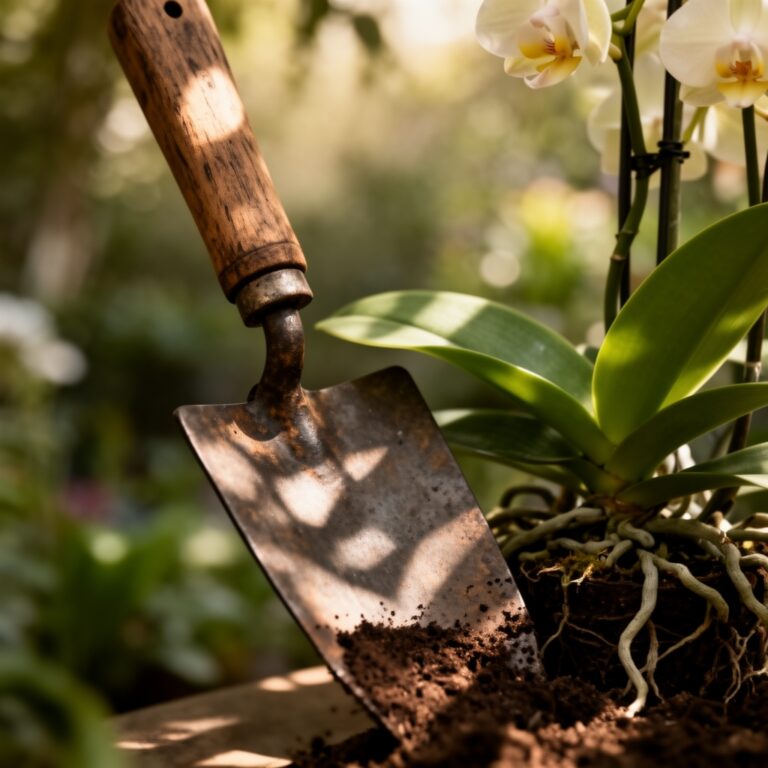
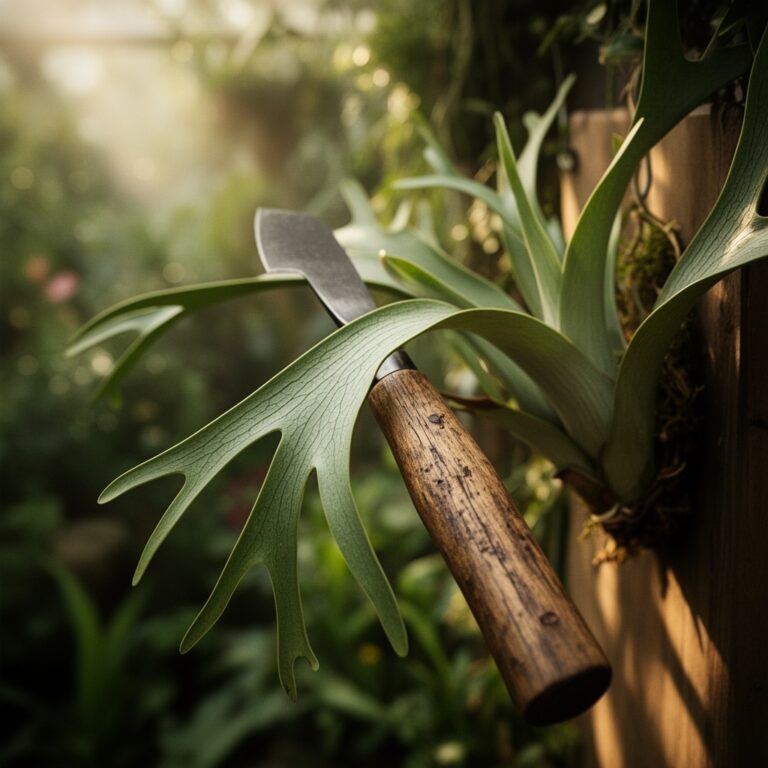
Transplant only when the medium has begun to decompose or the plant has physically outgrown the vessel. Use a hori-hori knife to gently loosen the roots from the sides of the pot. Sterilize all tools with 70 percent isopropyl alcohol to prevent the spread of Tobacco Mosaic Virus.
Pro-Tip: Trim dead, papery roots but leave firm, green, or white roots intact. This preserves the plant's existing auxin supply, the hormone responsible for apical dominance and root initiation, ensuring the plant stabilizes quickly in its new environment.
Establishing
Once repotted, the orchid enters a recovery phase. Place the plant in a location with 70 to 80 percent humidity. Avoid direct fertilization for the first 14 days to allow any micro-fractures in the root tissue to callus over.
Pro-Tip: Use a soil moisture meter to ensure the core of the medium is dry before re-watering. This encourages the roots to "search" for moisture, stimulating the growth of root hairs and increasing the surface area for future nutrient uptake via cation exchange.
The Clinic:
Physiological disorders in orchids often mimic infectious diseases. Accurate diagnosis is critical for recovery.
- Symptom: Limp, leathery leaves with vertical wrinkling.
- Solution: This indicates a loss of turgor pressure. Check the roots. If they are mushy and brown, it is root rot from overwatering. If they are white and brittle, the plant is dehydrated.
- Symptom: Small, circular black spots on leaves (not spreading).
- Solution: This is often "cold pits" caused by water sitting on the foliage at night when temperatures drop below 60 degrees Fahrenheit. Increase airflow with a small fan.
- Symptom: Yellowing of lower leaves (Chlorosis).
- Fix-It: Nitrogen deficiency. Using a specialized orchid fertilizer with a higher nitrate-nitrogen content will restore chlorophyll levels. If the yellowing is interveinal, add a magnesium sulfate (Epsom salt) solution at a rate of one teaspoon per gallon.
Maintenance:
Precision is the hallmark of professional orchid care. Provide 1.5 inches of water per week, delivered by soaking the entire pot in a basin for 15 minutes and then allowing it to drain completely. Never allow the "crown" (the center where leaves emerge) to hold standing water, as this invites bacterial pathogens.
Use bypass pruners to remove spent flower spikes. If the spike is still green, cut it one inch above the second node from the base; this may trigger a secondary bloom. If the spike has turned brown and senesced, cut it flush with the base of the plant to redirect energy into vegetative growth. Monitor the light levels using a light meter; most reblooming orchids require 1,000 to 1,500 foot-candles of light to produce the sugars necessary for flowering.
The Yield:
The "yield" of an orchid is its floral display. For maximum longevity, do not move the plant once the buds begin to swell. Rapid changes in orientation or humidity can cause "bud blast," where the plant aborts the flowers to conserve moisture.
When the first bloom opens, decrease fertilizer concentration by 50 percent. High nitrogen during full bloom can actually shorten the lifespan of the flowers by accelerating the plant's metabolic clock. To maintain "day-one" freshness, keep the plant in a cool location (below 75 degrees Fahrenheit) and away from ripening fruit, which emits ethylene gas. Ethylene is a plant hormone that triggers senescence, causing flowers to wilt prematurely.
FAQ:
How often should I use specialized orchid fertilizer?
Apply fertilizer "weakly, weekly." Use a quarter-strength solution every time you water for three weeks. On the fourth week, flush the medium with plain distilled water to remove accumulated mineral salts and prevent root burn.
Can I use regular all-purpose plant food?
No. All-purpose foods often use urea as a nitrogen source. Orchids lack the soil enzymes to convert urea into usable ammonia. Specialized formulas provide nitrogen in nitrate or ammoniacal forms that epiphytic roots can absorb immediately.
Why are my orchid's leaves turning dark green but not blooming?
This indicates nitrogen toxicity or insufficient light. Excess nitrogen promotes lush foliage at the expense of flowers. Increase light exposure to 1,200 foot-candles and switch to a high-phosphorus "bloom booster" fertilizer to stimulate reproductive growth.
What is the best water temperature for orchids?
Always use tepid water between 65 and 75 degrees Fahrenheit. Cold water can shock the tropical root system, causing cellular collapse and making the plant susceptible to fungal pathogens like Pythium or Phytophthora.