9 Vining Steps to Prepare an Indoor Jasmine Plant Shelf
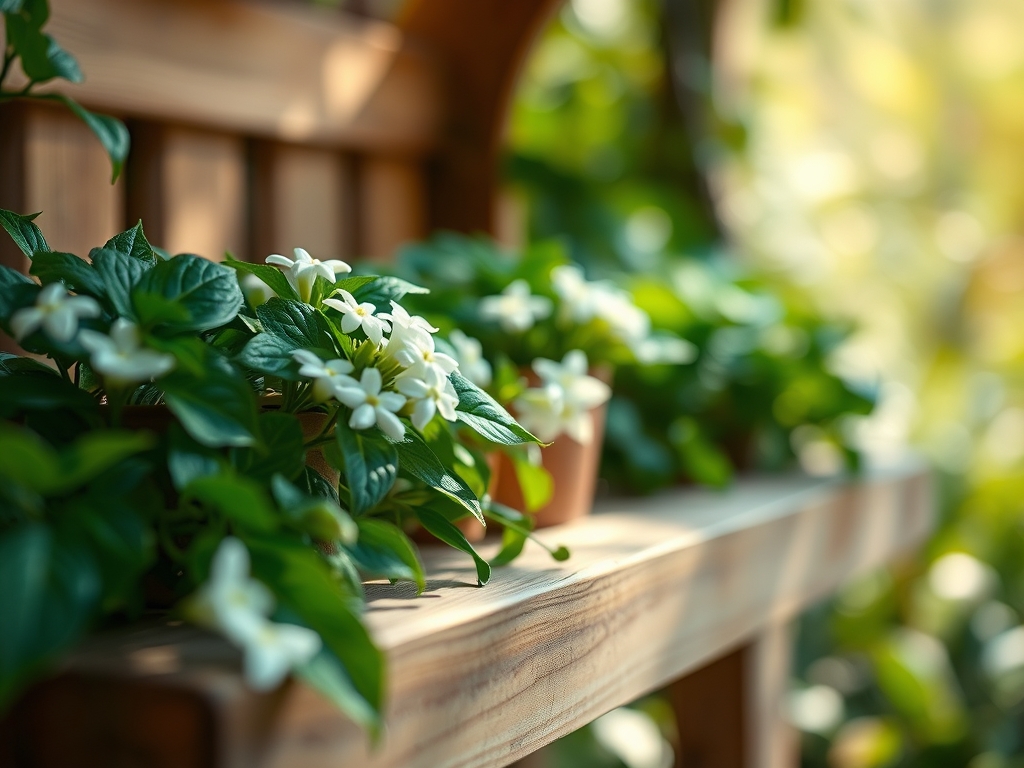
Crushed perlite dust and the sharp, metallic scent of damp potting medium signal the start of a serious indoor cultivation project. A healthy Jasmine (Jasminum polyanthum or Jasminum officinale) relies on high turgor pressure within its cell walls to maintain the structural integrity of its climbing vines. When you learn how to prepare a plant shelf for jasmine, you are not merely arranging furniture; you are engineering a microclimate. This process requires precise control over light intensity and humidity to prevent leaf senescence. Most indoor environments suffer from low ambient moisture and stagnant air, which can lead to spider mite infestations or brittle stems. By establishing a dedicated shelf system with integrated support and drainage, you create a stable rhizosphere. The goal is a dense canopy of dark green foliage that transitions into a heavy bloom cycle. Success depends on your ability to balance light cycles with specific nutrient availability. A well prepared shelf ensures the plant has the structural foundation to climb while receiving the 12 to 14 hours of daily light required for flower induction.
Materials:

The foundation of your jasmine shelf begins with the substrate. Jasmine requires a friable loam that allows for rapid drainage while retaining sufficient moisture for the root hairs. Aim for a soil pH between 6.0 and 7.0. A high Cation Exchange Capacity (CEC) is vital for nutrient retention; therefore, integrate organic matter such as aged pine bark or coco coir.
For the vegetative growth phase, utilize a fertilizer with an NPK ratio of 10-10-10. As the plant matures toward the reproductive stage, shift to a 7-9-5 ratio to encourage bud development without over-stimulating nitrogen-heavy foliage growth. The shelf itself must be constructed from non-porous materials like powder-coated steel or sealed hardwood to resist the 60 percent humidity levels you will maintain. You will also need a LED full-spectrum grow light capable of delivering 2,000 to 3,000 foot-candles of light.
Timing:
Indoor jasmine cultivation is less dependent on outdoor Hardiness Zones; however, understanding these zones helps dictate the plant's biological clock. Most jasmine varieties thrive in Zones 7 through 10. If you are bringing plants indoors from a cooler climate, you must synchronize the shelf preparation with the first frost date of your region.
The biological clock of jasmine is governed by the photoperiod. To trigger the transition from vegetative growth to the reproductive stage (blooming), the plant requires a cooling period. Maintain shelf temperatures between 50 and 55 degrees Fahrenheit at night for six weeks during the late autumn. This temperature drop signals the plant to divert energy from elongation to flower bud initiation. Failure to provide this thermal shift often results in a "blind" plant that produces only leaves.
Phases:
Sowing and Propagation
While many start with nursery stock, propagating jasmine from semi-ripe cuttings is the most effective way to populate a large shelf. Take 6-inch cuttings just below a node. Dip the cut end in an auxin-based rooting hormone to stimulate cell division. Place the cuttings in a medium of coarse sand and peat.
Pro-Tip: Maintain high humidity around cuttings to prevent desiccation. This works because of auxin suppression; by removing the terminal bud, you redirect the plant's hormones to prioritize root development over apical dominance.
Transplanting
When the root system has established a firm mass, transplant the jasmine into a 10-inch or 12-inch ceramic or plastic pot. Ensure the container has multiple drainage holes. Position the plant on the shelf so the crown sits exactly at the soil line. Deep planting can lead to stem rot at the soil interface.
Pro-Tip: Add a handful of perlite to the bottom of the hole to increase oxygen availability. This enhances mycorrhizal symbiosis, allowing beneficial fungi to expand the root's surface area for better phosphorus uptake.
Establishing the Vining Structure
Jasmine is a thigmotropic plant; it responds to touch. Install a wire trellis or a series of tensioned cables on your shelf. As the vines grow, gently wrap them clockwise around the support. Use soft garden ties to secure the main stems without constricting the vascular tissue.
Pro-Tip: Rotate the pot 90 degrees every week. This manages phototropism, ensuring the plant does not lean excessively toward the light source and maintains a balanced, 360-degree canopy.
The Clinic:
Monitoring the physiological health of your jasmine is a daily requirement. Use the following diagnostic guide to identify and correct issues.
- Symptom: Yellowing of older leaves while veins remain green (Interveinal Chlorosis).
- Solution: This indicates a Magnesium deficiency. Apply a solution of one tablespoon of Epsom salts per gallon of water.
- Symptom: New growth is stunted, twisted, or pale.
- Solution: This often points to Calcium deficiency or low humidity. Increase airflow and check soil pH; if pH is below 6.0, add dolomitic lime to the substrate.
- Symptom: Leaves appearing "stippled" or dusty with fine webbing.
- Solution: This is a sign of Tetranychidae (spider mites). Increase humidity to 70 percent and wipe leaves with a damp cloth to disrupt their life cycle.
Fix-It: Nitrogen Chlorosis
If the entire leaf turns pale yellow, the plant is likely experiencing Nitrogen chlorosis. This occurs when the nitrogen levels in the rhizosphere are depleted. Apply a liquid-based 10-10-10 fertilizer at half strength immediately to restore chlorophyll production.
Maintenance:
Precision maintenance is the difference between a surviving plant and a thriving one. Use a soil moisture meter to ensure the substrate never dries out completely. Jasmine requires approximately 1.5 inches of water per week, delivered directly to the soil surface to avoid wetting the foliage, which can invite fungal pathogens.
Pruning is essential for maintaining shelf space and encouraging lateral branching. Use sharp bypass pruners to remove dead or crossing wood. Use a hori-hori knife to occasionally probe the soil and check for root-bound conditions. If the roots begin to circle the interior of the pot, it is time to upsize the container. Every six months, flush the soil with clear water to remove accumulated salts from synthetic fertilizers.
The Yield:
For jasmine, the "yield" is the aromatic blossom. Harvest flowers in the early morning when the essential oil concentration is at its peak. Use small snips to cut the clusters just as the buds begin to show color but before they fully unfurl.
To maintain "day-one" freshness for indoor display, immediately submerge the stems in 40-degree Fahrenheit water. This rapid cooling slows the metabolic rate and preserves the fragrance. If you are harvesting for tea or drying, spread the blossoms in a single layer on a mesh screen in a dark, well-ventilated area for 48 to 72 hours.
FAQ:
How much light does indoor jasmine need?
Jasmine requires 12 to 14 hours of bright, indirect light daily. Use a full-spectrum LED grow light positioned 12 inches above the canopy to provide the necessary foot-candles for consistent flowering and healthy vegetative growth.
Why is my jasmine not blooming?
The most common cause is a lack of a cooling period. Jasmine needs six weeks of nighttime temperatures between 50 and 55 degrees Fahrenheit in the autumn to trigger the biological shift from leaf production to flower bud development.
What is the best soil for indoor jasmine?
Use a friable loam with a pH between 6.0 and 7.0. The mix should include peat or coco coir for moisture retention and perlite or bark for drainage, ensuring a high Cation Exchange Capacity for nutrient delivery.
How often should I prune my jasmine?
Prune immediately after the primary blooming cycle ends. Remove up to one-third of the oldest wood using bypass pruners. This encourages new growth where future flower buds will form and prevents the plant from becoming excessively leggy.