9 Easy Ways How to Grow Mugwort Herbs
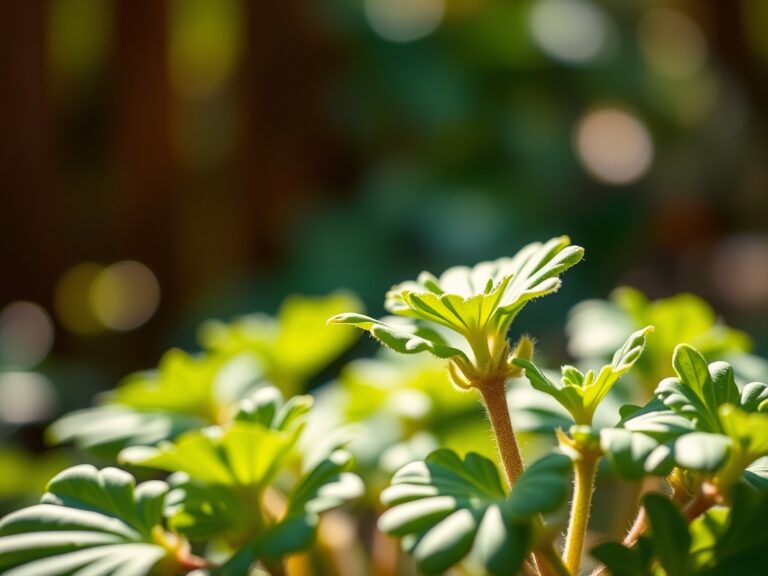
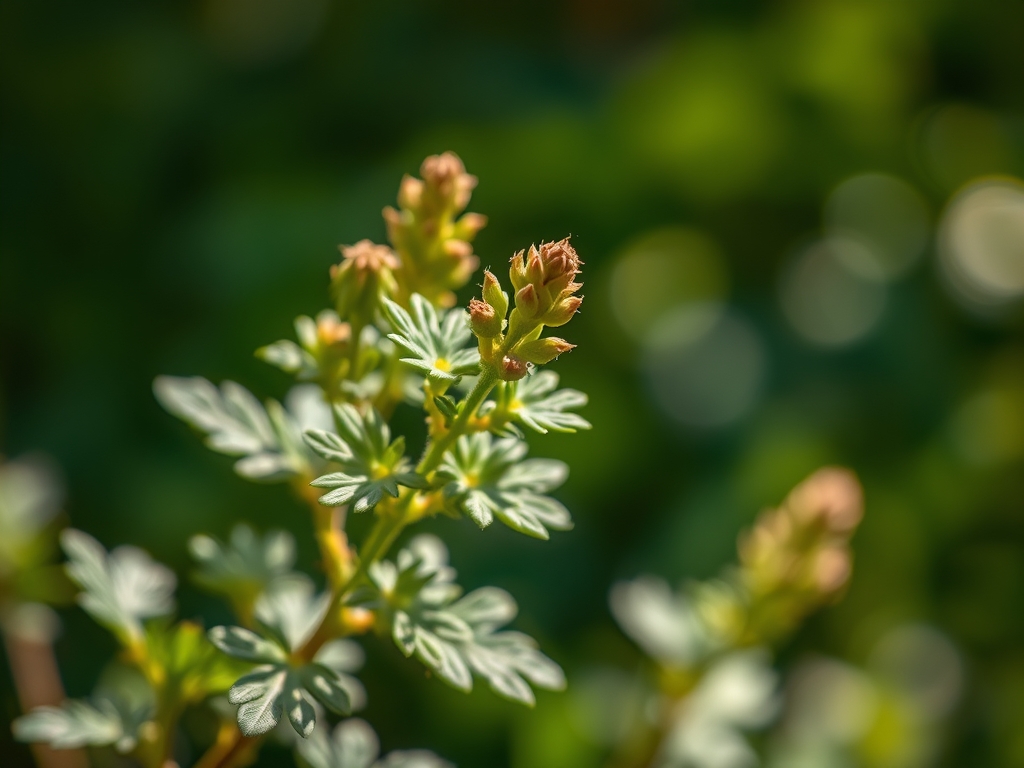
Crushing a fresh leaf of Artemisia vulgaris between your thumb and forefinger releases a sharp, camphoraceous aroma that signals high essential oil concentration. The silver-green foliage feels stiff with turgor pressure; a sign of a plant that has mastered its water uptake. Learning how to grow mugwort herbs requires an understanding of this perennial's aggressive rhizomatous nature and its ability to thrive in disturbed, nitrogen-poor substrates. This is a botanical powerhouse that demands respect for its rapid colonization.
Success begins with the soil rhizosphere. Mugwort is not a delicate ornamental; it is a rugged colonizer that utilizes an extensive underground network to secure territory. To cultivate it intentionally, you must balance its vigorous growth with controlled environmental variables. If you provide too much luxury in the form of high-moisture organic matter, you risk a plant that is structurally weak and prone to lodging. If you provide too little, the secondary metabolites that give the herb its potency will fail to develop. You are aiming for a specimen that is lean, resilient, and chemically dense.
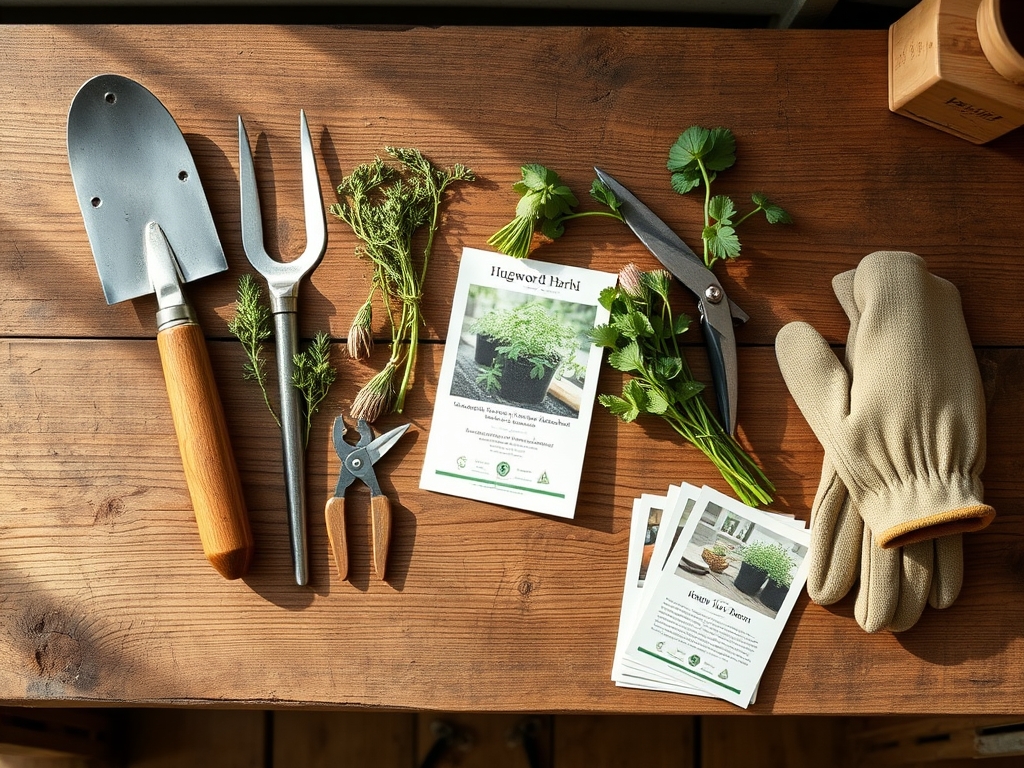
Materials:
Mugwort is remarkably adaptable but performs best in a friable loam with excellent drainage. The ideal substrate should have a Soil Cation Exchange Capacity (CEC) between 10 and 20 meq/100g. This ensures the soil can hold onto essential cations like calcium and magnesium without becoming waterlogged.
For the initial planting medium, target a soil pH between 6.0 and 7.5. While the plant tolerates alkalinity, extreme acidity will lock out phosphorus. Use a low-intensity fertilizer with an NPK ratio of 5-10-10. Excessive nitrogen (the first number) will lead to lush, watery vegetative growth that lacks the high concentration of thujone and cineole found in stressed plants. You want the plant to work for its nutrients to encourage a deep, resilient root system. Ensure you have a soil moisture meter to monitor the transition between the O-horizon (organic layer) and the A-horizon (topsoil).
Timing:
Artemisia vulgaris is hardy in USDA Zones 4 through 8. It requires a period of cold stratification to break seed dormancy, meaning seeds should be sown in late autumn or very early spring when soil temperatures hover around 40 to 50 degrees Fahrenheit.
The biological clock of mugwort is dictated by the photoperiod. As a short-day plant, it remains in a vegetative state during the long days of summer, focusing all energy on leaf production and rhizome expansion. As day length decreases in late summer, the plant triggers its reproductive stage, shifting energy toward the development of inconspicuous, wind-pollinated flowers. To maximize leaf quality, you must intervene before this senescence begins. If you are transplanting, wait until the danger of the last hard frost has passed and the soil has reached a consistent 55 degrees Fahrenheit.
Phases:

Sowing
Mugwort seeds are photoblastic; they require light to germinate. Surface sow the seeds onto a prepared bed of fine-textured soil. Do not bury them. Press them lightly into the surface to ensure good seed-to-soil contact, which facilitates the capillary movement of water into the seed coat. Maintain a consistent moisture level using a fine mist setting.
Pro-Tip: This light requirement is a biological trigger involving phytochromes. These specialized proteins detect the red/far-red light ratio, ensuring the seed only germinates when it is close enough to the surface to begin photosynthesis immediately upon emergence.
Transplanting
When seedlings reach 3 to 4 inches in height and have developed at least two sets of true leaves, they are ready for the field. Space plants 18 to 24 inches apart. Mugwort spreads via underground runners, so giving them ample space initially prevents immediate overcrowding and fungal issues caused by poor airflow.
Pro-Tip: Use a hori-hori knife to dig deep, vertical holes that accommodate the primary taproot without "J-rooting." Proper vertical alignment encourages positive gravitropism, allowing the root system to reach deeper moisture reserves during summer droughts.
Establishing
During the first six weeks, the focus is on root establishment. Water the base of the plant to keep the rhizosphere hydrated but not saturated. Once the plant reaches 12 inches in height, it is generally considered established and can withstand significant environmental stress.
Pro-Tip: Pinched terminal buds during this phase will break apical dominance. This suppresses the hormone auxin at the tip, stimulating lateral bud growth and resulting in a bushier, more productive herb.
The Clinic:
Symptom: Interveinal Chlorosis
If the leaves turn yellow while the veins remain green, you are likely looking at a Magnesium deficiency. This often occurs in overly sandy soils with low CEC.
Solution: Apply a foliar spray of Epsom salts (magnesium sulfate) at a concentration of 1 tablespoon per gallon of water for immediate uptake.
Symptom: Powdery Mildew
White, flour-like spots on the adaxial (top) leaf surface indicate a fungal infection, usually caused by high humidity and stagnant air.
Solution: Increase spacing between plants and prune the lower third of the stems to improve air circulation. Use bypass pruners to make clean cuts that heal quickly.
Symptom: Nitrogen Chlorosis
General paling of the entire leaf, starting with the older, lower leaves, indicates a lack of Nitrogen.
Solution: Top-dress with a light layer of well-composted organic matter or a blood meal amendment to provide a slow-release nitrogen source.
Symptom: Wilting despite moist soil
This is a sign of root rot (Phytophthora). It occurs when the soil lacks macropores for oxygen exchange.
Solution: Improve drainage by incorporating perlite or coarse sand into the soil matrix. If the plant is severely affected, remove it to prevent the spread of soil-borne pathogens.
Maintenance:
Mugwort is a "set it and forget it" herb once established, but professional maintenance ensures peak chemical potency. Provide 1.5 inches of water per week during the first growing season; deliver this at the drip line rather than over the foliage to prevent fungal spores from splashing. Use a soil moisture meter to verify that the top 2 inches of soil dry out between waterings.
To control the spread, use a spade to cut a perimeter around the plant every spring. This severs the horizontal rhizomes and prevents the mugwort from overtaking the entire garden. In late autumn, after the first frost has turned the stalks brown, cut the entire plant back to 3 inches above the soil line. This removes potential overwintering sites for pests and prepares the crown for spring emergence.
The Yield:
Harvesting should occur just as the flower buds appear but before they open. This is when the concentration of essential oils is at its peak. Use sharp bypass pruners to cut the top third of the stalks in the mid-morning, after the dew has evaporated but before the heat of the sun causes the leaves to flag.
To maintain "day-one" freshness and potency, do not wash the leaves unless they are visibly soiled. Bundle the stalks with twine and hang them upside down in a dark, well-ventilated area with a temperature between 70 and 80 degrees Fahrenheit. Rapid drying prevents the breakdown of complex terpenes. Once the leaves are brittle to the touch, strip them from the woody stems and store them in airtight glass containers away from direct sunlight.
FAQ:
Does mugwort need full sun?
Yes. For maximum essential oil production and structural integrity, mugwort requires at least 6 to 8 hours of direct solar radiation daily. Plants grown in shade will become "leggy" and have significantly lower chemical potency.
How do I stop mugwort from spreading?
Mugwort spreads via aggressive rhizomes. The most effective control method is installing a root barrier at least 12 inches deep or growing the herb in large, heavy-duty containers to physically confine the root system.
Can I grow mugwort from cuttings?
Mugwort clones easily from softwood cuttings taken in late spring. Ensure the cutting has at least two nodes submerged in a well-draining rooting medium. Maintain high humidity until new root growth is established.
What is the best fertilizer for mugwort?
Avoid high-nitrogen fertilizers. A balanced, slow-release 5-10-10 or 10-10-10 NPK ratio applied once in early spring is sufficient. Over-fertilizing leads to weak growth and diminishes the herb's natural aromatic qualities.