8 Best Solar Pond Aerators
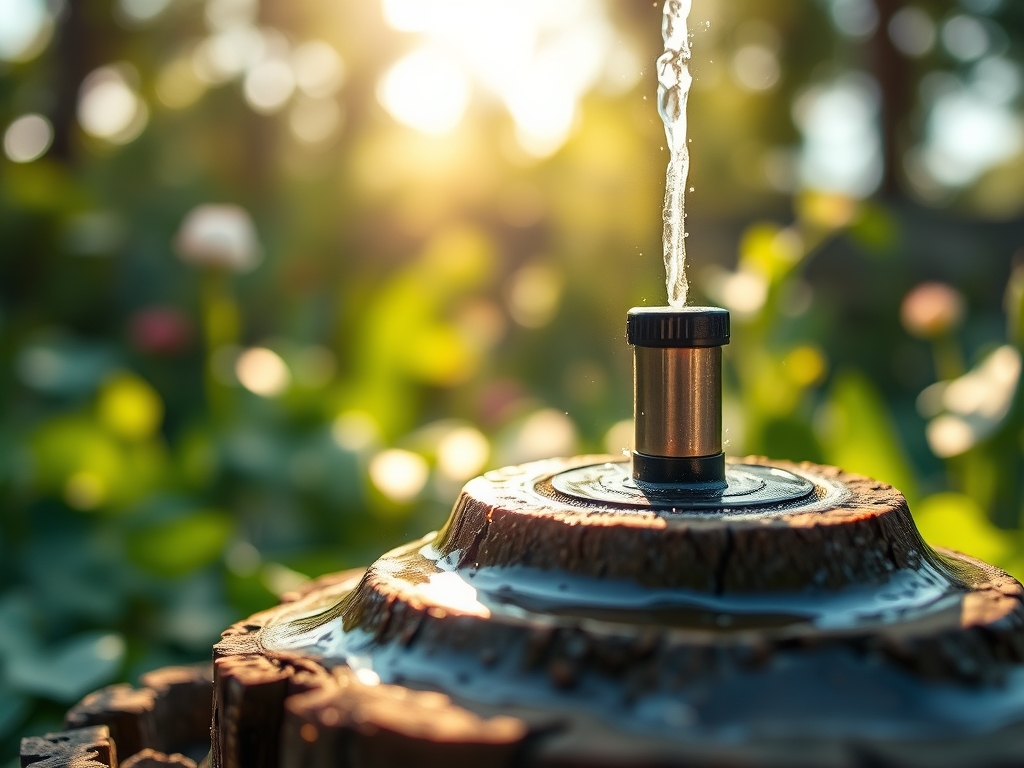
The smell of anaerobic decomposition is unmistakable; it is the scent of stagnant water where oxygen levels have plummeted, causing organic matter to ferment rather than break down. In a healthy pond ecosystem, the turgor of aquatic plant leaves remains high because the water column is rich in dissolved oxygen. Without mechanical intervention, thermal stratification creates a dead zone at the benthic layer, leading to fish kills and algae blooms. Integrating the best solar pond aerators provides a sustainable solution to this hypoxia by forcing atmospheric air into the water, breaking surface tension, and facilitating gas exchange. These systems utilize photovoltaic energy to drive air compressors or submersible pumps, ensuring that the rhizosphere of your aquatic flora remains oxygenated even in remote locations. A well aerated pond maintains a dissolved oxygen level above 5.0 mg/L, which is the baseline for supporting aerobic bacteria and complex aquatic life. By selecting the best solar pond aerators, you stabilize the pond's internal chemistry and prevent the buildup of toxic hydrogen sulfide gas.
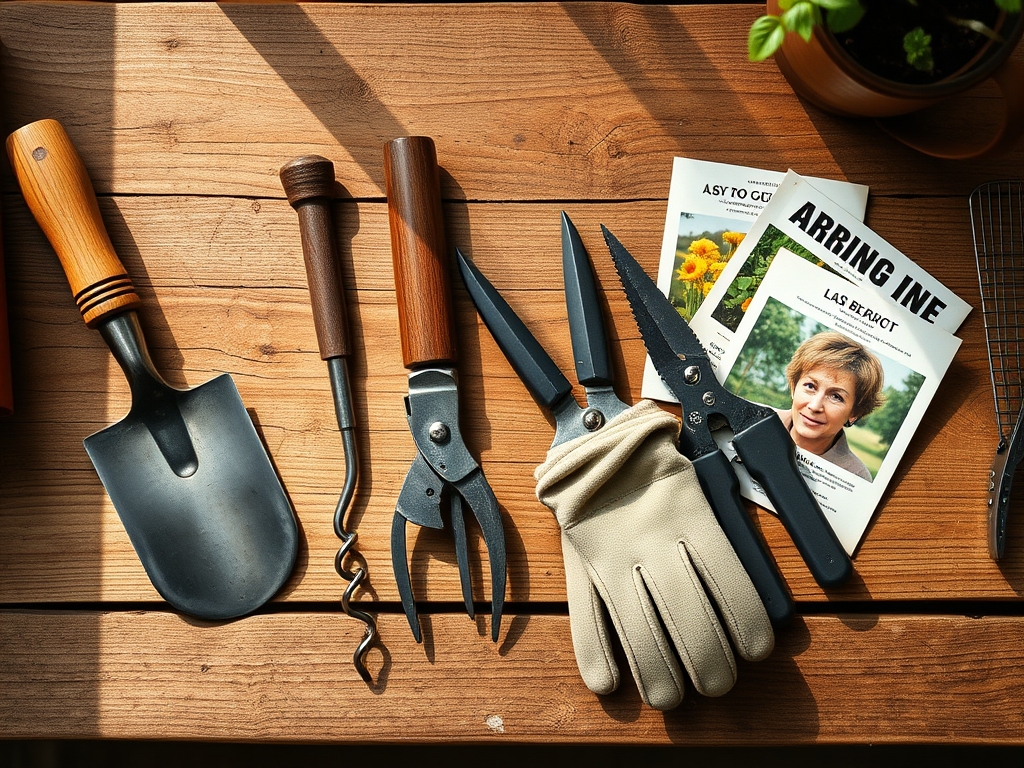
Materials:
While the aerator manages the water column, the health of the pond perimeter depends on the surrounding soil substrate. The ideal terrestrial interface is a **friable loam** with a high Cation Exchange Capacity (CEC) of **15 to 25 meq/100g**. This ensures the soil can retain and exchange essential nutrients like ammonium and potassium. For marginal pond plants, maintain a soil pH between **6.5 and 7.2** to maximize nutrient bioavailability.
When establishing the surrounding landscape, target an NPK ratio of 10-10-10 for general vegetative growth. However, for flowering aquatic species like Nymphaeaceae, a higher phosphorus ratio such as 10-20-10 is required to support rhizome development and bloom production. The physical texture of the substrate must allow for capillary action while preventing compaction; a mixture of 40 percent sand, 40 percent silt, and 20 percent clay provides the necessary pore space for root respiration.
Timing:
Successful pond management and aeration deployment are dictated by the Hardiness Zones and the biological clock of the local ecosystem. In Zones 4 through 7, installation should occur immediately after the spring thaw, typically when water temperatures reach a consistent 50 degrees Fahrenheit. This timing coincides with the transition from dormancy to the vegetative stage, where plants begin rapid nutrient uptake.
The biological clock of aquatic plants is triggered by the photoperiod. As day length increases, the plants move from root-heavy growth to foliage production. Aeration must be at peak efficiency during the summer solstice when high water temperatures naturally hold less dissolved oxygen. In Zones 8 through 11, where frost dates are rare, aerators should run year round to prevent the senescence of tropical species and to manage the high metabolic rates of fish during warm winters.
Phases:

Sowing
When sowing aquatic seeds or starting marginal plants in the littoral zone, place seeds at a depth exactly two times their diameter. The substrate must be saturated but not fully submerged for most species during the initial germination phase. Use a soil moisture meter to ensure the moisture levels do not fluctuate, as desiccation will kill the emerging radicle.
Pro-Tip: Proper oxygenation at the seed level prevents fungal pathogens from attacking the embryo. This is due to aerobic competition; oxygen rich environments favor beneficial microbes that outcompete anaerobic pathogens like Pythium.
Transplanting
When moving containerized plants into the pond, ensure the crown is level with the water surface. Use a hori-hori knife to slice through any circling roots, which encourages lateral root branching into the new substrate. This process should be done during the early morning hours to minimize transpiration stress and maintain leaf turgor.
Pro-Tip: Adding a handful of mycorrhizal inoculant to the planting hole facilitates mycorrhizal symbiosis. These fungi extend the root system's reach, increasing the surface area for phosphorus absorption by up to 100 times.
Establishing
The establishment phase requires consistent aeration to prevent the buildup of organic film on the leaves, which can block sunlight and inhibit photosynthesis. Monitor the growth of the central leader; if the plant appears leggy, it may be a sign of low light or improper gas exchange at the root zone.
Pro-Tip: Maintaining high dissolved oxygen levels prevents auxin suppression. When oxygen is low, plants produce ethylene, which signals the plant to stop growing and begin early senescence as a survival mechanism.
The Clinic:
Physiological disorders in the pond environment are often mistaken for pests, but they are usually rooted in chemistry.
Symptom: Interveinal chlorosis (yellowing between leaf veins).
Solution: This is a classic sign of Iron deficiency, often caused by a pH above 7.5. Lower the pH using elemental sulfur or chelated iron supplements to restore chlorophyll production.
Symptom: Leaf curl and stunted new growth.
Solution: This indicates Calcium deficiency or poor transpiration. Ensure the solar aerator is creating enough surface agitation to lower humidity at the water's surface, allowing the plant to pull calcium through the xylem via the transpiration stream.
Symptom: Necrosis (browning) of leaf margins.
Solution: This suggests Potassium deficiency. Potassium regulates the opening and closing of stomata; without it, the plant cannot manage water loss. Apply a water soluble 0-0-50 fertilizer to the root zone.
Fix-It: For Nitrogen chlorosis (entire leaf turning pale yellow), apply a quick release nitrate fertilizer. Nitrogen is a mobile nutrient; the plant will pull it from old growth to support new leaves, so check the bottom of the plant first for symptoms.
Maintenance:
Precision is the hallmark of a master horticulturist. For plants on the pond's edge, provide 1.5 inches of water per week at the drip line if rainfall is insufficient. Use a soil moisture meter to verify that the moisture has penetrated at least 6 inches deep.
Pruning is essential for maintaining airflow and light penetration. Use bypass pruners to remove spent blooms and yellowing leaves at a 45 degree angle to prevent water from pooling on the cut, which can lead to rot. For solar aerators, clean the photovoltaic panels every 30 days using distilled water and a soft cloth to remove dust and bird droppings, which can reduce energy output by 20 percent. Check the air stones for calcium buildup; soak them in a weak acetic acid solution (vinegar) if bubbles appear large or uneven.
The Yield:
For those growing edible aquatic plants like watercress or lotus, harvest timing is critical for nutrient density. Harvest in the early morning when the plant's turgor pressure is at its maximum. This ensures the cell walls are fully hydrated, providing a crisp texture.
Use a sharp hori-hori knife to make clean cuts, minimizing the wound surface area. Post harvest, immediately plunge the greens into 40 degree Fahrenheit water to remove field heat. This process, known as hydro-cooling, slows down the metabolic rate and respiration of the plant, preserving "day-one" freshness and preventing the degradation of Vitamin C and antioxidants.
FAQ:
How deep should I place the aerator stone?
Place the air stone at approximately half the total depth of the pond. Placing it at the very bottom can stir up anaerobic sludge, which temporarily depletes oxygen and clouds the water with suspended solids.
Do solar aerators work at night?
Standard solar aerators stop when the sun sets. For 24 hour operation, select a model with a battery backup system. This ensures oxygen levels do not dip during the night when plants consume oxygen instead of producing it.
How many gallons can one solar aerator handle?
A standard small solar unit handles up to 1,000 gallons. For larger ponds, calculate the surface acreage; generally, you need 1.5 standard cubic feet per minute (SCFM) of air per acre of water for effective turnover.
Will an aerator prevent the pond from freezing?
Yes, the constant movement of bubbles breaks the surface tension and brings warmer water from the bottom to the top. This can maintain an open hole in the ice even when temperatures drop below 20 degrees Fahrenheit.