7 Leveling Steps to Prepare a Garden Shed Site
Grading a garden site for shed installation demands precision. Uneven ground transfers stress directly into floor joists and door frames, warping hardware within months. How to prepare a garden for a garden shed install begins with systematic leveling using string lines, compacted aggregate, and drainage planning. The difference between a structure that lasts fifteen years and one that settles in three comes down to soil compaction ratios and proper subgrade preparation. This guide translates geotechnical principles into seven field-tested steps.
Materials
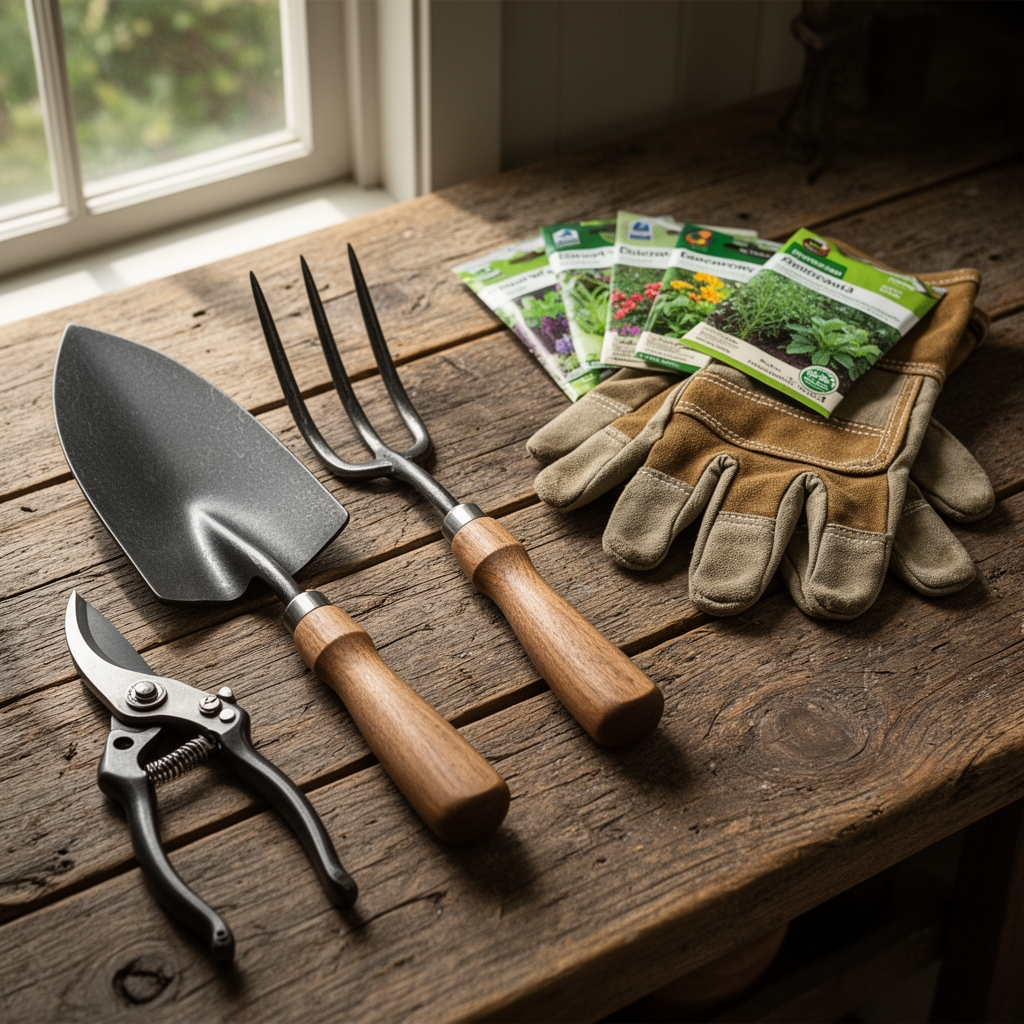
Assemble tools before breaking ground. A 4-foot carpenter's level, 100-foot measuring tape, mason's line, and line level form the measurement toolkit. For earthwork, use a flat-head spade, landscape rake, hand tamper (minimum 8-inch plate), and wheelbarrow rated for 6 cubic feet.
Aggregate base requires Class II road base or three-quarter-inch crushed stone, calculated at 0.5 cubic yards per 100 square feet for a 3-inch compacted depth. Avoid pea gravel. Its rounded profile prevents interlocking and leads to settlement. For sites with clay content above 40 percent, incorporate coarse sand at a 1:3 sand-to-native-soil ratio to improve drainage and reduce frost heave potential.
Pressure-treated 4×4 timber or concrete pier blocks serve as foundation elements. Timber must carry a ground-contact rating of 0.40 pcf or higher retention. Landscape fabric (woven polypropylene, minimum 3-ounce weight) prevents subgrade migration into the aggregate layer. Galvanized spikes (10-inch) anchor timber perimeters.
For vegetation removal, a mattock handles fibrous root systems. Apply glyphosate (41 percent concentration) to perennial weeds 14 days before excavation if organic methods prove insufficient. Soil pH adjustments are unnecessary for structural sites, but test cation exchange capacity if future plantings will border the shed.
Timing
Execute site preparation during dry soil conditions. Moisture content above 25 percent creates smearing during compaction, destroying soil structure and reducing load-bearing capacity. Schedule work between late spring and early fall in USDA Hardiness Zones 3 through 7, targeting periods with seven consecutive days of forecast temperatures above 50°F and precipitation below 0.1 inches daily.
Avoid ground disturbance within 30 days of first frost. Freeze-thaw cycles disrupt freshly compacted subgrades. In Zone 8 and warmer, work year-round but avoid saturated winter months. Clay soils require 48 hours of drying time after rain events before resuming compaction.
For jurisdictions requiring permits, submit plans 4 to 6 weeks before intended start dates. Utility location services need 72-hour advance notice in most regions.
Phases

Phase 1: Layout and Excavation
Mark the footprint using batterboards positioned 2 feet beyond each corner. String mason's line between boards, verifying square using the 3-4-5 triangle method (measure 3 feet on one leg, 4 feet on the adjacent leg; diagonal must equal 5 feet). Remove vegetation within the marked area plus 12 inches on all sides.
Excavate to a depth of 4 inches below planned shed floor height. Remove organic topsoil completely. Roots decompose over 18 to 36 months, creating voids. Slope excavation 1 inch per 8 feet away from the shed's center to promote surface drainage.
Pro-Tip: Stockpile excavated topsoil separately from subsoil. Topsoil contains mycorrhizal fungi networks valuable for replanting disturbed perimeter zones.
Phase 2: Subgrade Compaction
Rake the excavated surface smooth. Remove stones larger than 2 inches. Compact native subgrade using overlapping passes with a hand tamper or plate compactor. Apply force in a grid pattern, each pass overlapping by 50 percent.
Test compaction by driving a 12-inch screwdriver into the soil. Penetration should require sustained pressure and stop at 3 inches. Loose spots telegraph through aggregate layers, creating future depressions.
Pro-Tip: Mist the subgrade lightly before compaction if soil is dusty. Target moisture content mimics "moist brownie batter" consistency for optimal compaction.
Phase 3: Aggregate Placement
Install landscape fabric across the compacted subgrade, overlapping seams by 12 inches. Spread aggregate base in 2-inch lifts. Compact each lift before adding the next. A 4-inch final aggregate depth compacts to approximately 3 inches.
Screed the top lift using a notched 2×4 pulled across guide stakes. Re-level after compaction. Surface tolerance should not exceed one-quarter inch deviation across 4 feet.
Pro-Tip: Wet aggregate lightly during compaction. Water acts as a lubricant, allowing particles to nestle tighter and increasing bearing capacity by 15 to 20 percent.
Troubleshooting
Symptom: Corners sit higher than center after initial leveling.
Solution: String line sag creates false readings. Re-tension lines or use a laser level for spans exceeding 12 feet.
Symptom: Soft spots appear in aggregate during compaction.
Solution: Indicates inadequate subgrade preparation or organic matter intrusion. Remove aggregate, re-compact subgrade, replace fabric, then restore aggregate.
Symptom: Water pools on completed pad.
Solution: Verify minimum 2 percent slope (one-quarter inch per foot). Add aggregate to low spots, re-screed, and compact.
Symptom: Frost heave lifts corners in winter.
Solution: Foundation extends above frost line. Excavate 6 inches deeper in affected zones, backfill with coarse gravel for drainage.
Maintenance
Inspect the pad semi-annually. Add aggregate to settle areas, compacting thoroughly. Maintain 6 inches of clearance between stored items and shed perimeter to preserve airflow and prevent moisture accumulation.
Monitor perimeter drainage after heavy rain. Redirect runoff if channeling occurs within 3 feet of the foundation. Trim vegetation to 12 inches from the structure to reduce humidity and pest harborage.
Re-tension anchor hardware annually if using ground screws or auger anchors. Soil expansion and contraction cycles loosen connections.
FAQ
How deep should excavation extend?
Four inches below finished floor height, plus aggregate depth. Total excavation typically measures 6 to 8 inches.
Can I install directly on grass?
No. Decomposing organic matter creates voids, leading to settlement within 12 to 24 months.
What aggregate size works best?
Three-quarter-inch crushed angular stone. Larger sizes bridge poorly; smaller sizes migrate into subgrade.
Do I need permits?
Depends on local codes. Structures under 120 square feet often exempt, but verify with building departments.
How long before I can install the shed?
Immediately after final compaction if conditions remain dry. Allow 24 hours after rain for surface drying.