9 Steps to Prepare a Productive Fruit Grove Site
Learning how to prepare a garden for a fruit grove begins with soil beneath your fingernails and the weight of a pH meter in your hand. The process transforms raw earth into a productive ecosystem capable of supporting trees for decades. Proper site preparation determines whether your apples hang heavy on branches or your peaches fail to set fruit. This systematic approach addresses drainage, nutrient profiles, and root zone architecture before a single sapling touches ground.
Materials
Soil Amendments by pH Target:
For acidic-loving species (blueberries, lingonberries) targeting pH 4.5-5.5: elemental sulfur at 1.2 pounds per 100 square feet, pine bark fines, and sphagnum peat moss.
For neutral-range fruits (apples, pears, plums) targeting pH 6.0-7.0: agricultural lime (calcium carbonate) at 5 pounds per 100 square feet if starting below pH 5.5, composted manure at 2-3 inches depth.
For alkaline-tolerant species (figs, pomegranates) up to pH 8.0: gypsum (calcium sulfate) for sodium displacement without raising pH.
NPK Formulations:
Feather meal (12-0-0) for nitrogen-hungry establishment phase. Rock phosphate (0-3-0) for root development, applied at 10 pounds per 100 square feet. Greensand (0-0-3) or langbeinite (0-0-22) for potassium, critical for fruit sugar development.
Balanced organic starter: 4-4-4 or 5-5-5 all-purpose meal at 3 pounds per tree during first season.
Biological Inoculants:
Mycorrhizal fungi consortium containing Glomus intraradices and Rhizophagus irregularis. Apply 2 ounces per planting hole directly to root zone.
Tools:
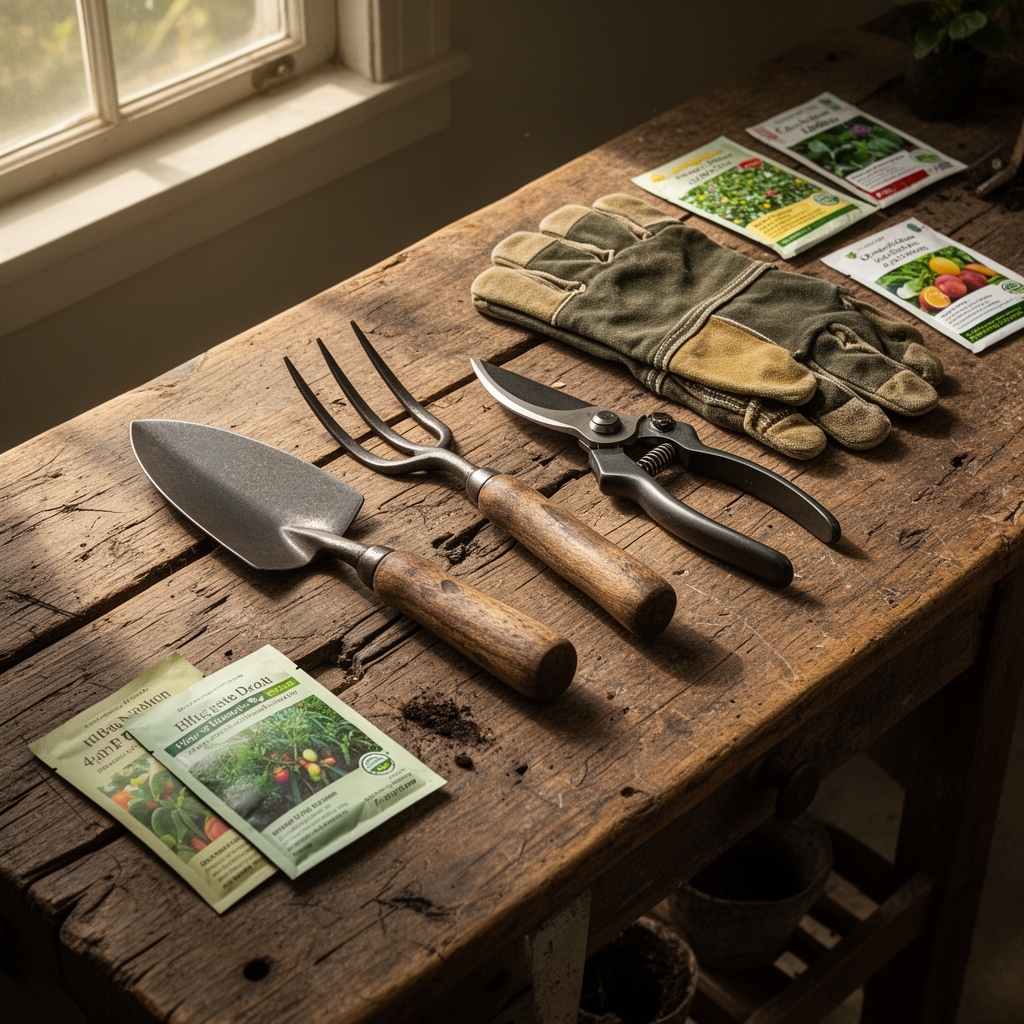
Broadfork for deep soil aeration without inversion. Soil test kit measuring pH, nitrogen, phosphorus, potassium, and cation exchange capacity. Drainage assessment requires a 12-inch auger and 24-hour percolation observation.
Timing
Zone-Specific Windows:
Zones 3-5: Begin site preparation in late August through September for spring planting. Soil amendments require 6-8 months to integrate before roots arrive. Plant bare-root stock in April when soil temperature reaches 45°F at 6-inch depth.
Zones 6-7: Prepare sites October through November. Plant both spring (March-April) and fall (October-November). Fall planting allows root establishment before shoot growth, provided 6 weeks exist before hard freeze.
Zones 8-10: Year-round planting possible, but avoid midsummer heat stress. Optimal preparation occurs December through February for March planting, capitalizing on winter rainfall for amendment incorporation.
Frost Considerations:
Last spring frost date determines mulch removal timing. Organic mulches delay soil warming by 2-3 weeks, protecting early bloomers like apricots from false springs but potentially delaying stone fruit harvest.
Phases
Site Assessment Phase (Months 6-8 Before Planting):
Conduct percolation test by digging 12-inch-deep holes, filling with water, and measuring drainage. Optimal rate: 1-3 inches per hour. Slower drainage requires berms or tile drains. Sample soil from 6-8 locations at 0-6 inch and 6-12 inch depths. Mix samples by depth. Send to extension lab for complete analysis including micronutrients (boron, zinc, iron).
Mark sun exposure across seasons. Fruit trees require 6-8 hours direct sun minimum. South-facing slopes receive 15-20% more solar radiation than north-facing.
Pro-Tip: Use penetrometer readings to map hardpan layers below 18 inches. Clay lenses or plow pans restrict tap root growth and create perched water tables. Break compaction with subsoiling to 24-inch depth.
Amendment Integration Phase (Months 3-5 Before Planting):
Broadcast lime or sulfur based on soil test results. These materials require months to alter pH through chemical reactions with soil particles. Incorporate to 8-inch depth using broadfork rather than rototiller. Tillage destroys soil structure and mycorrhizal networks.
Add compost at 3-4 inch layer (approximately 2 cubic yards per 100 square feet). Compost increases cation exchange capacity, the soil's ability to hold nutrients against leaching. Well-finished compost contains 15-25 million bacteria per gram.
Plant winter cover crops: cereal rye for biomass and root channels, or hairy vetch for nitrogen fixation (60-100 pounds N per acre). Mow and crimp 3 weeks before planting. Leave residue as surface mulch.
Pro-Tip: Apply rock phosphate during this phase. Phosphorus moves less than 0.25 inches per year through soil. Surface application never reaches root zones. Incorporate to 10-inch depth where feeder roots concentrate.
Planting Phase:
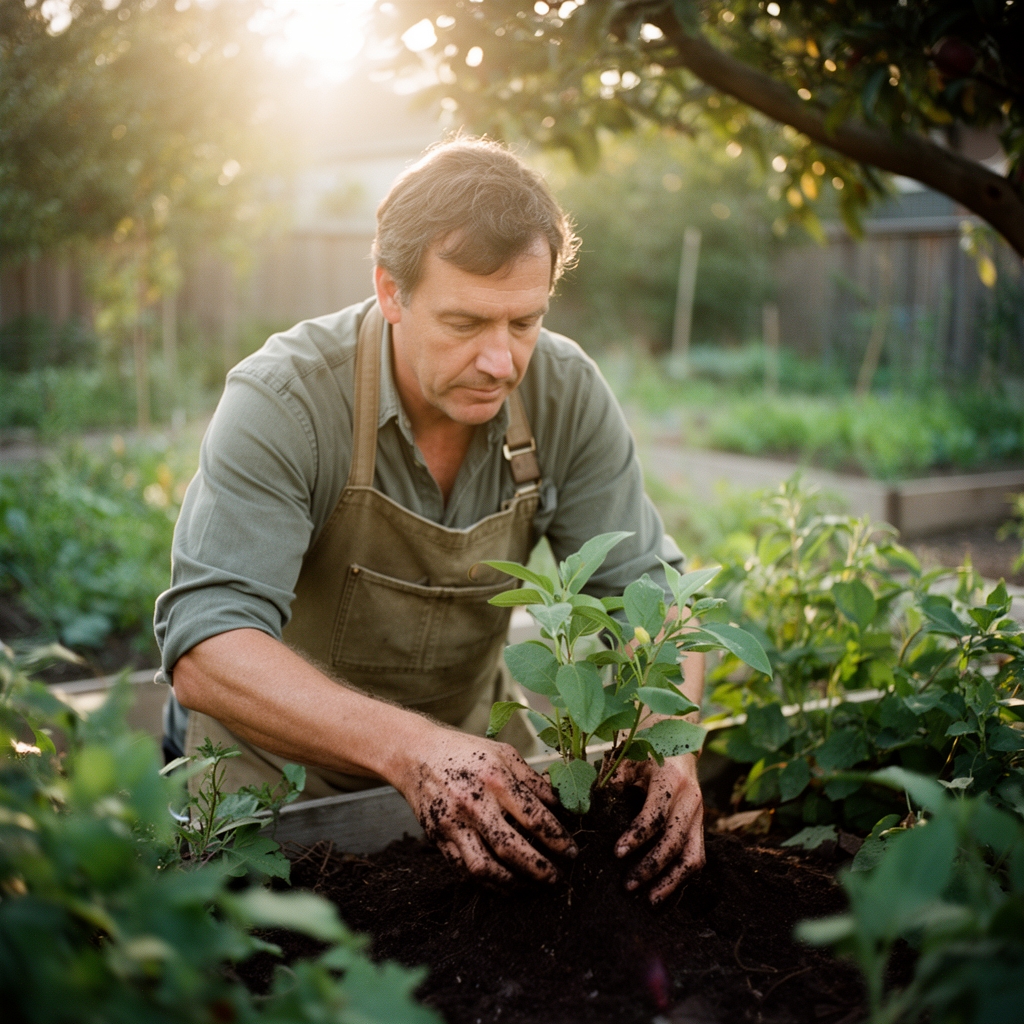
Dig holes 2-3 times root ball width but no deeper. Planting too deep suffocates roots and encourages crown rot. Locate graft union 2-4 inches above soil line. Backfill with native soil, not amendments. Roots must adapt to existing conditions beyond planting hole.
Create 4-inch-tall soil berm at drip line to capture irrigation. Apply mycorrhizal inoculant directly to root surfaces before backfilling. These fungi extend effective root surface area by 10-1000 times, accessing water and phosphorus beyond root reach.
Prune tops to balance root-shoot ratio. Remove 20-30% of canopy on bare-root stock. Cut to outward-facing buds at 30-45 degree angles to promote lateral branching.
Pro-Tip: Orient graft unions perpendicular to prevailing winds. This positions the strongest structural wood (rootstock) toward mechanical stress, reducing breakage at union.
Troubleshooting
Symptom: Chlorosis (yellowing) between leaf veins while veins remain green.
Solution: Iron deficiency induced by high pH (above 7.5) or poor drainage. Chelated iron foliar spray (0.5% solution) provides immediate correction. Long-term: reduce pH with elemental sulfur or improve drainage. Do not add iron to soil above pH 7.0 where it precipitates into unavailable forms.
Symptom: Blossom end rot on developing fruit, appearing as dark, sunken lesions opposite stem.
Solution: Calcium deficiency caused by inconsistent water supply, not soil calcium levels. Maintain consistent moisture through 2-3 inch mulch layer and drip irrigation. Calcium moves only through transpiration stream. Irregular watering disrupts transport to fast-growing fruit cells.
Symptom: Sparse fruiting despite abundant flowering, with many flowers dropping before fruit set.
Solution: Boron deficiency or inadequate pollination. Apply borax at 0.5 ounces per 100 square feet (toxic at higher rates). Plant pollinator-compatible varieties within 50 feet. Most apples require cross-pollination. Ensure bloom times overlap within 3-5 days.
Symptom: Branch dieback starting at tips, progressing toward trunk, with amber gumming (gummosis).
Solution: Cytospora canker or bacterial canker entering through wounds. Prune infected wood 6 inches below visible damage during dry weather. Sterilize tools between cuts using 10% bleach solution. Apply copper bactericide at leaf drop and bud break. Improve air circulation through proper spacing (15-20 feet for dwarf, 25-30 feet for standard).
Symptom: Stunted growth with purplish leaf undersides.
Solution: Phosphorus deficiency exacerbated by cold soil (below 50°F) that reduces root metabolic activity. Apply soluble phosphorus (fish emulsion or bone meal tea) as foliar feed. Raise soil temperature with clear plastic mulch or delay planting until soil warms.
Maintenance
Irrigation Protocol:
Drip irrigation delivers water to root zone without wetting foliage (reducing fungal disease). Apply 1 inch per week during growing season, measured with rain gauge. One inch equals 0.62 gallons per square foot. A mature tree with 8-foot root radius (201 square feet) requires 125 gallons weekly.
Split applications into two 0.5-inch events reduce runoff on clay soils. Increase frequency (not volume per application) on sandy soils with low water-holding capacity.
Reduce watering by 50% after harvest to harden wood for winter dormancy. Resume in early spring 4 weeks before bud break.
Fertilization Schedule:
Year 1: Apply 0.5 pounds actual nitrogen per tree in split applications (March, June). Calculate by dividing pounds needed by fertilizer percentage. Example: 0.5 pounds N from 10-10-10 requires 5 pounds fertilizer (0.5 / 0.10 = 5).
Years 2-3: Increase to 0.75 pounds N annually.
Mature trees (4+ years): 1-1.5 pounds N per year based on leaf tissue analysis. Sample mid-shoot leaves in July. Target nitrogen: 2.2-2.8% of dry weight.
Apply 50% nitrogen in March as buds swell (supports bloom and shoot growth). Apply 50% in June post-harvest (replenishes reserves without forcing late growth susceptible to frost).
Mulch Management:
Maintain 3-4 inch layer of wood chips or shredded bark in 4-foot diameter circle around each tree. Keep mulch 6 inches away from trunk to prevent crown rot and vole nesting.
Replenish annually as material decomposes. Decomposition immobilizes nitrogen temporarily (1 year for hardwood chips). Compensate with additional 0.2 pounds N per tree during mulch application.
Pruning Cycles:
Dormant pruning (January-March): Remove dead, diseased, crossing branches. Establish central leader or open center architecture. Make cuts at 45-degree angles 0.25 inches above outward-facing buds. Cuts closer than 0.25 inches desiccate buds. Cuts farther leave stubs susceptible to pathogen colonization.
Summer pruning (July-August): Light thinning improves light penetration and air circulation. Auxin distribution (growth hormone) concentrates in terminal buds. Removing shoot tips redirects growth to lateral buds and fruit.
FAQ
When should soil testing occur for new groves?
Test 8-12 months before planting to allow amendment integration time. Retest every 3 years or when trees show nutrient deficiency symptoms. Fall testing (September-November) provides most accurate baseline as nutrient cycling stabilizes post-harvest.
What spacing prevents competition between trees?
Dwarf rootstocks: 8-10 feet within rows, 12-15 feet between rows. Semi-dwarf: 12-15 feet within, 18-20 between. Standard: 20-25 feet within, 25-30 between. Closer spacing increases early yields but requires diligent pruning to maintain light penetration. Root competition for water begins when canopies overlap by 20%.
Can existing lawn transition directly to orchard?
Remove turf 6 months before planting. Grass roots compete aggressively for nitrogen and water within the top 6 inches where young tree feeder roots establish. Smother with 6-layer cardboard and 4 inches of compost, or strip sod and plant cover crops. Herbicide (glyphosate) option: apply to actively growing grass, wait 2 weeks, then incorporate dead material.
How does rootstock selection affect site preparation?
Dwarfing rootstocks (M.27, M.9 for apples) require permanent staking and well-drained soils. Their shallow, brittle roots cannot anchor trees or tolerate waterlogging. Standard rootstocks develop extensive, drought-tolerant root systems but require more space. Match rootstock vigor to soil quality: use vigorous roots for poor soils, dwarfing roots for rich soils where excess vigor creates management challenges.
What cover crops benefit established groves?
Low-growing legumes (white clover, subterranean clover) fix 40-200 pounds nitrogen per acre while suppressing weeds. Maintain at 3-4 inch height through mowing. Deep-rooted species (chicory, comfrey) mine subsoil minerals and break compaction. Avoid tall, competitive grasses within drip lines during establishment (first 3 years). Permanent alleyway sod between rows prevents erosion and provides traction for equipment.