6 Best Eco-Friendly Plant Ties for Indoor Vines
The smell of damp peat moss and the sharp tang of bruised chlorophyll signal a productive morning in the conservatory. You feel the turgor pressure in a Monstera adansonii leaf; it is firm and hydrated; yet the vine sags under its own cellular weight. Without structural intervention, the plant loses its vertical trajectory and its access to optimal light. Selecting the best plant ties is a technical necessity to prevent stem strangulation and ensure vascular efficiency. Indoor vines rely on external support to mimic the bark of forest giants. If the tie is too rigid, it creates a girdling effect that halts the flow of carbohydrates from the leaves to the root system. If it is too loose, the plant suffers from mechanical stress and micro-tears in the epidermis. Success requires a material that balances tensile strength with biological flexibility.
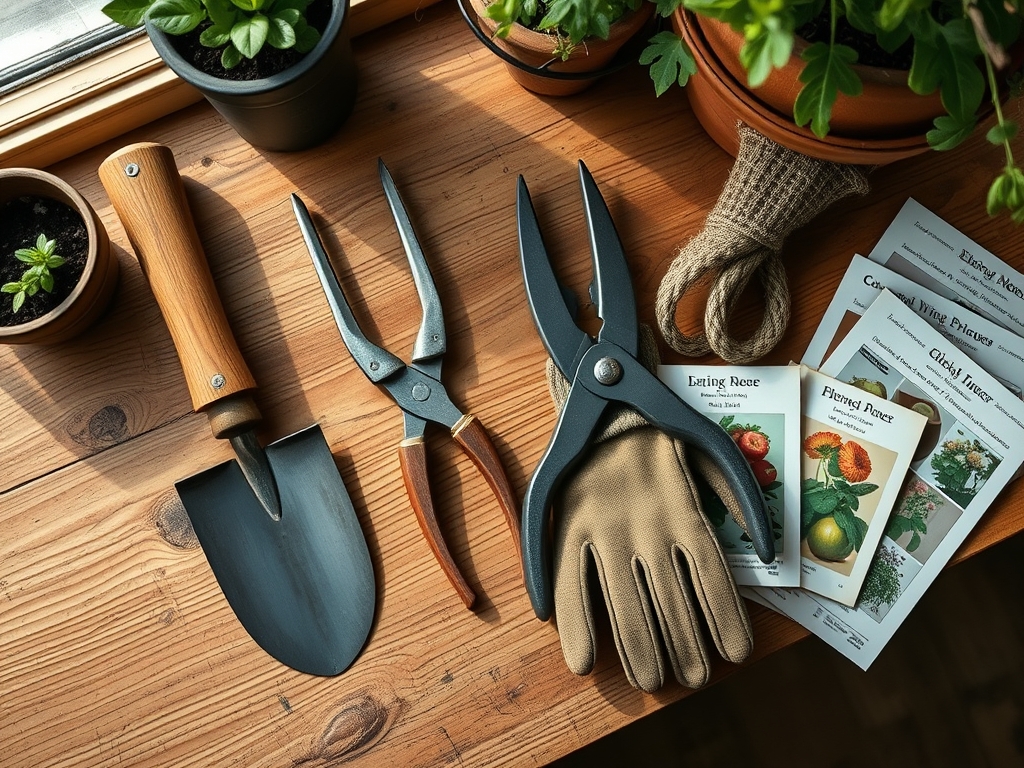
Materials:
Indoor vines thrive in a **friable loam** with a high **Cation Exchange Capacity (CEC)** to ensure nutrient availability. The substrate should maintain a **pH between 5.8 and 6.5** to optimize the solubility of micronutrients like iron and manganese. For heavy feeders like Philodendron or Epipremnum, an **NPK ratio of 3-1-2** is standard for vegetative growth. The physical texture of the medium must be porous; use a mix of 40 percent coco coir, 30 percent perlite, and 30 percent orchid bark. This structure prevents anaerobic conditions in the **rhizosphere**, where root hairs require oxygen for cellular respiration. When using the best plant ties, ensure they do not compress the soft tissue of the nodes, as this can disrupt the xylem and phloem transport systems within the stem.
Timing:
Most indoor vines are native to tropical regions corresponding to Hardiness Zones 10 through 12. Because indoor environments lack a true frost date, the biological clock is governed by the photoperiod. As daylight extends beyond 12 hours, plants enter a rapid vegetative state. This is the critical window for securing vines. If you wait until the plant enters a reproductive stage or late-season senescence, the stems become woody and less pliable. Monitor the auxillary buds; when new growth exceeds 4 inches, it is time to anchor the vine to its support. Training the plant during active growth allows the cells to lignify in the desired orientation, reducing the risk of snapping the primary lead.
Phases:

Sowing and Propagation
Start cuttings in a medium with a low electrical conductivity (EC) to avoid burning emerging root initials. Maintain a consistent temperature of 72 degrees Fahrenheit. Once the root system reaches 2 inches in length, the plant is ready for its first structural support. Use a soft cotton twine for the initial anchor.
Pro-Tip: Cotton twine allows for natural expansion. This prevents auxin suppression; when a stem is constricted, the flow of the hormone auxin is disrupted, which can lead to stunted apical dominance and unwanted lateral branching.
Transplanting
Move the vine into a permanent vessel when the roots begin to circle the nursery pot. Use a soil moisture meter to ensure the new substrate is at 60 percent field capacity before planting. Position the support stake or moss pole at the center of the pot before adding the plant to avoid damaging the root architecture.
Pro-Tip: Secure the vine to the support using a figure-eight knot. This creates a buffer zone between the plant and the stake, preventing friction that could lead to fungal entry points through the cuticle.
Establishing
As the vine climbs, it will develop adventitious roots. Maintain high humidity—at least 50 percent—to encourage these roots to grip the support. Check the tension of your ties every 30 days to ensure the stem has room to thicken.
Pro-Tip: Utilize mycorrhizal symbiosis by inoculating the soil during this phase. The fungi extend the reach of the root system, increasing the uptake of phosphorus and water, which maintains the turgor pressure necessary for the plant to hold its upright form.
The Clinic:
Physiological disorders often manifest when the wrong ties or support methods are used. Observe the plant for these specific symptoms.
Symptom: Interveinal Chlorosis
This appears as yellowing between the leaf veins while the veins remain green.
Solution: This is often a sign of Magnesium deficiency. Check the soil pH; if it is below 5.0, Magnesium becomes locked.
Fix-It: Apply a solution of 1 tablespoon of Epsom salts per gallon of water to the rhizosphere.
Symptom: Stem Girdling
The stem appears pinched at the site of the tie, and the foliage above the tie is wilting despite wet soil.
Solution: The tie is too tight, obstructing the vascular tissue.
Fix-It: Immediately remove the tie using bypass pruners. Replace it with a flexible stretch-tape or soft jute twine, leaving a 0.5-inch gap for growth.
Symptom: Leaf Abscission
The plant is dropping healthy green leaves unexpectedly.
Solution: This is often a reaction to rapid changes in light or temperature, causing a hormonal shift.
Fix-It: Stabilize the environment to 65-75 degrees Fahrenheit and ensure the vine is securely tied to prevent mechanical swaying, which triggers ethylene production and leaf drop.
Maintenance:
Precision is the hallmark of a professional conservatory. Deliver 1.5 inches of water per week at the drip line, ensuring the water reaches the lower third of the root ball. Use a hori-hori knife to occasionally probe the soil for compaction; if the blade resists, it is time to aerate. Clean the leaves with a damp cloth every 14 days to remove dust that inhibits photosynthesis. When pruning leggy growth, always use sterilized bypass pruners and cut at a 45-degree angle exactly 0.25 inches above a node. This angle prevents water from pooling on the wound, reducing the risk of pathogens. Monitor the integrity of your ties; biodegradable options like hemp or jute will eventually break down and require replacement every 6 to 12 months.
The Yield:
While indoor vines are primarily ornamental, the "yield" is measured in leaf size and node density. To achieve "Day-One" freshness in a display, harvest cuttings during the early morning when turgor pressure is at its peak. Use a sharp blade to make a clean incision. Immediately submerge the cut end in 70-degree water. For plants like Hoya or Monstera, sear the cut end if it produces a milky latex to prevent excessive sap loss. If you are moving the plant, secure all trailing vines with temporary soft ties to prevent "whip" damage during transport.
FAQ:
What are the best plant ties for delicate stems?
Soft cotton or bamboo strips are ideal. These materials provide enough friction to hold the weight of the vine without cutting into the tender epidermis or disrupting the flow of nutrients through the vascular system.
How often should I adjust my plant ties?
Inspect ties every four to six weeks. Rapidly growing vines can increase their stem diameter by 20 percent in a single month during the peak growing season, necessitating a loosening of the anchor points to prevent girdling.
Can I use plastic zip ties for indoor vines?
Avoid rigid plastic ties. They do not expand with the plant. Over time, the stem will grow around the plastic, causing permanent structural damage and potentially killing the distal portions of the vine due to nutrient starvation.
Why is jute considered an eco-friendly choice?
Jute is a natural fiber that is fully biodegradable and compostable. It possesses a high tensile strength but remains soft enough to prevent mechanical abrasion on the plant's cuticle, making it a sustainable and effective support material.