7 Best Heavy-Duty Plant Clips for Large Climbers
The smell of damp earth after a deep irrigation cycle signals the peak of the growing season. When a heavy climber like a Wisteria or a Monstera Deliciosa reaches maximum turgor pressure, the weight of the water-filled cells puts immense strain on the primary stem. Without structural support, the plant risks snapping at the nodes. Selecting the best plant clips is not a cosmetic choice; it is an engineering necessity to manage the vertical load of a high-biomass specimen. High-tensile strength clips ensure that the vascular system remains unkinked, allowing for the uninterrupted flow of xylem and phloem. These heavy-duty clips must withstand UV degradation and the mechanical force of a thickening woody trunk.
Materials:
Large climbers require a substrate with high Cation Exchange Capacity (CEC) to support rapid cell division. The ideal substrate is a **friable loam** consisting of 40 percent sand, 40 percent silt, and 20 percent clay. This texture ensures oxygen reaches the rhizosphere while maintaining moisture. For heavy-duty climbers, maintain a **soil pH between 6.0 and 7.0** to maximize nutrient bioavailability. During the vegetative phase, use an NPK ratio of **10-5-5** to promote foliar expansion. Once the plant enters the reproductive stage, shift to a **5-10-10** ratio to support flower and fruit development without inducing excessive leggy growth. Ensure the soil contains at least **5 percent organic matter** to facilitate microbial activity and nutrient cycling.
Timing:
The implementation of heavy-duty clips should align with the specific Hardiness Zones of the specimen. In Zones 7 through 9, the window for securing climbers begins immediately after the last frost date, typically between late March and early April. Monitoring the biological clock is essential. As the plant transitions from the vegetative stage to the reproductive stage, the increase in biomass requires more frequent clip adjustments. The photoperiod, or the length of daily light exposure, triggers this transition. For short-day plants, this occurs when daylight drops below 12 hours. Secure your clips before the late-summer growth spurt to prevent the stem from bowing under its own weight during the final swell of the season.
Phases:

Sowing and Initial Support
Start seeds in a sterile medium at a constant temperature of 70 to 75 degrees Fahrenheit. Once the first set of true leaves appears, the plant begins its search for structural stability.
Pro-Tip: Introduce small clips early to manage phototropism. By guiding the stem toward the light source early, you prevent the plant from wasting energy on corrective growth, allowing it to allocate more carbohydrates to root development.
Transplanting to Permanent Structures
When the root ball occupies 80 percent of its container, transplant the climber to its permanent location. Space clips every 12 to 18 inches along the trellis or support wire. Ensure the clips are not cinched tight; leave a 0.25-inch gap to allow for secondary thickening of the cambium layer.
Pro-Tip: Utilize mycorrhizal symbiosis by dusting the root ball with fungal spores during transplant. This extension of the root system increases the surface area for water absorption, which maintains the turgor pressure necessary for the plant to hold itself upright within the clips.
Establishing the Canopy
As the climber reaches the top of its support, the weight distribution shifts. Heavy-duty spring-loaded clips are required at the highest points of tension. Monitor the stem for any signs of constriction or bark rubbing, which can introduce pathogens.
Pro-Tip: Practice auxin suppression by clipping the main lead horizontally. This disrupts the flow of auxins from the apical meristem, encouraging lateral branching and a fuller, more stable canopy.
The Clinic:
Physiological disorders often manifest when the structural support is inadequate or the environment is imbalanced.
- Symptom: Interveinal chlorosis (yellowing between leaf veins).
- Solution: This indicates Nitrogen chlorosis or a Magnesium deficiency. Apply a chelated mineral spray or a balanced 20-20-20 water-soluble fertilizer to restore chlorophyll production.
- Symptom: Stem Canker or mechanical scarring at clip sites.
- Solution: The clip is too tight or vibrating in the wind. Replace with a larger, padded clip and ensure the support structure is anchored.
- Symptom: Leaf Wilting despite moist soil.
- Solution: Check for root rot or vascular wilt. Improve drainage to ensure the soil is not anaerobic. Maintain a soil moisture level of 40 to 60 percent as measured by a digital meter.
Fix-It: For Nitrogen deficiency, side-dress the plant with blood meal or a high-nitrogen organic amendment. For Calcium deficiency (blossom end rot), apply gypsum to the soil surface to improve cell wall strength without altering the pH.
Maintenance:
Precision maintenance is the difference between a surviving plant and a thriving one. Provide 1.5 inches of water per week delivered at the drip line to ensure deep root penetration. Use a soil moisture meter daily during heat waves to prevent the soil from drying beyond the permanent wilting point.
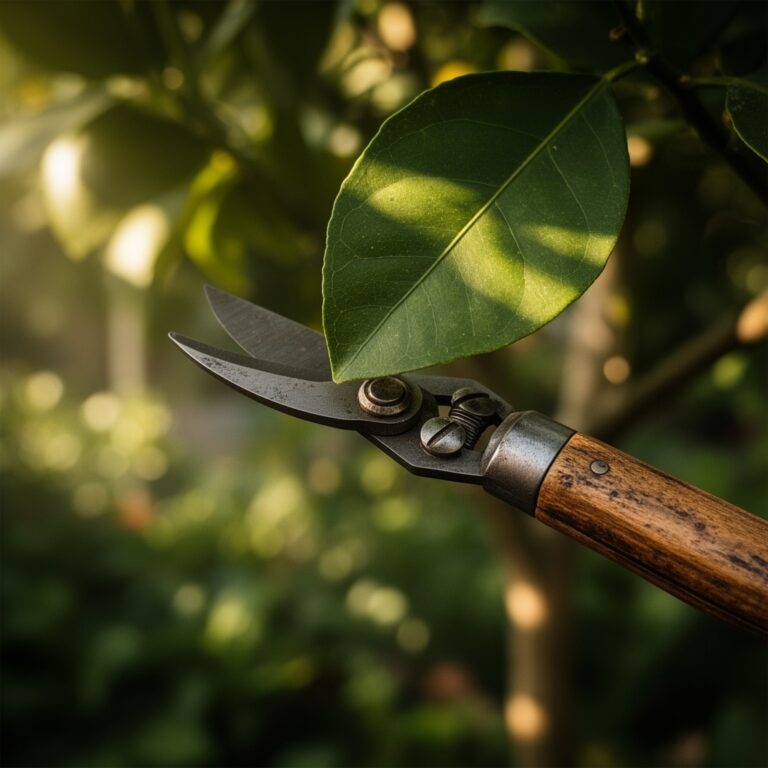
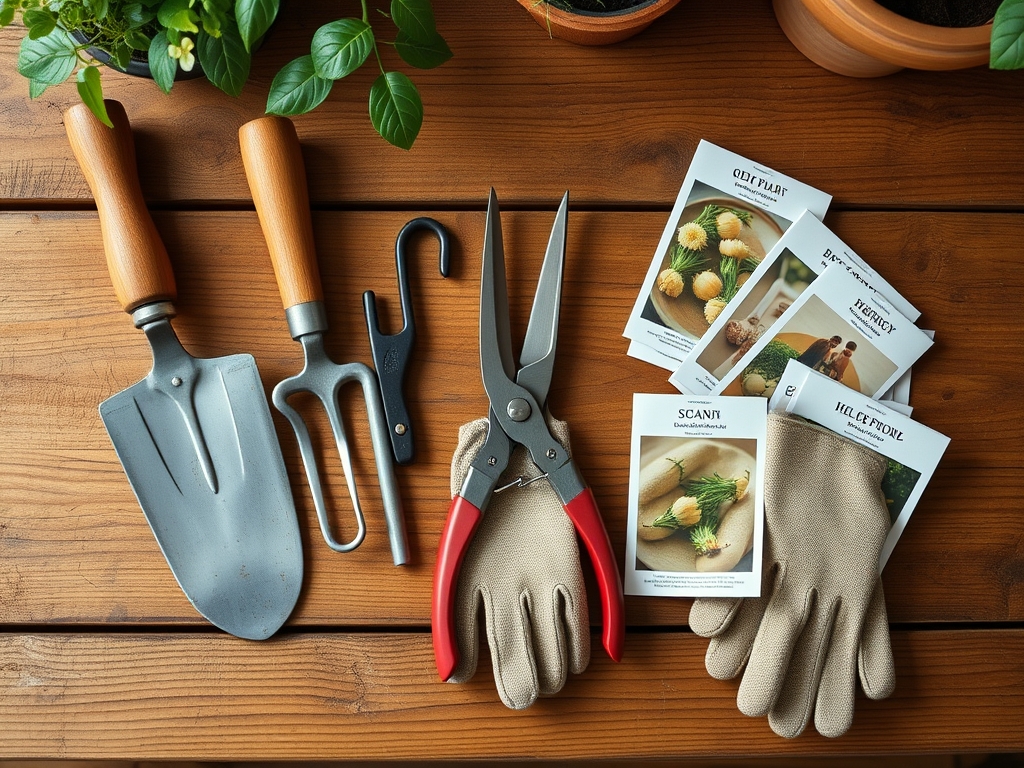
Keep a hori-hori knife sharpened for weeding around the base without disturbing the shallow feeder roots. Use bypass pruners to remove any dead or diseased wood, making cuts at a 45-degree angle to shed water. Sanitize all tools with 70 percent isopropyl alcohol between plants to prevent the spread of soil-borne pathogens. Inspect clips monthly; if the stem diameter has increased by more than 20 percent, move the clip to a new node to prevent girdling.
The Yield:
For flowering or fruiting climbers, harvest timing is determined by the Brix level or sugar content. Use a refractometer to measure the sap for peak sweetness. Harvest in the early morning when the plant is at maximum turgidity. Use sharp snips to cut the peduncle, leaving a small stub to prevent moisture loss from the main fruit body. To maintain "day-one" freshness, immediately place the harvest in a cool, shaded area with 85 percent relative humidity to slow the rate of respiration and senescence.
FAQ:
How often should I adjust my plant clips?
Inspect and adjust clips every 3 to 4 weeks during the active growing season. Rapid biomass accumulation can cause the stem to outgrow the clip diameter, leading to cambium constriction and restricted nutrient flow through the vascular system.
Can plastic clips survive freezing temperatures?
Standard plastic clips often become brittle at temperatures below 32 degrees Fahrenheit. For perennial climbers in cold climates, utilize UV-stabilized nylon or stainless steel clips that can withstand thermal expansion and contraction without fracturing or losing grip.
Will clips damage the bark of my woody climbers?
Damage occurs only if the clip is undersized or lacks a smooth interior finish. Ensure there is at least a 5-millimeter buffer between the stem and the clip wall to allow for natural movement and diameter increases.
What is the best way to secure a heavy vine?
Use a combination of heavy-duty tension clips and soft garden ties. Place the rigid clips at major structural junctions and use flexible ties for smaller lateral branches to allow for wind sway without snapping the primary stem.