8 Design Steps for Building a Garden Bridge Over a Veg Garden
Walking across a temporary plank to reach tomato rows deep in the garden bed signals a need for permanent infrastructure. Steps for building a garden bridge over a veg garden transform precarious balancing acts into confident crossings, protecting root zones from compaction while providing access to crops year-round. The bridge becomes essential infrastructure where raised beds flank a drainage swale or where a central pathway would waste precious growing space.
Materials
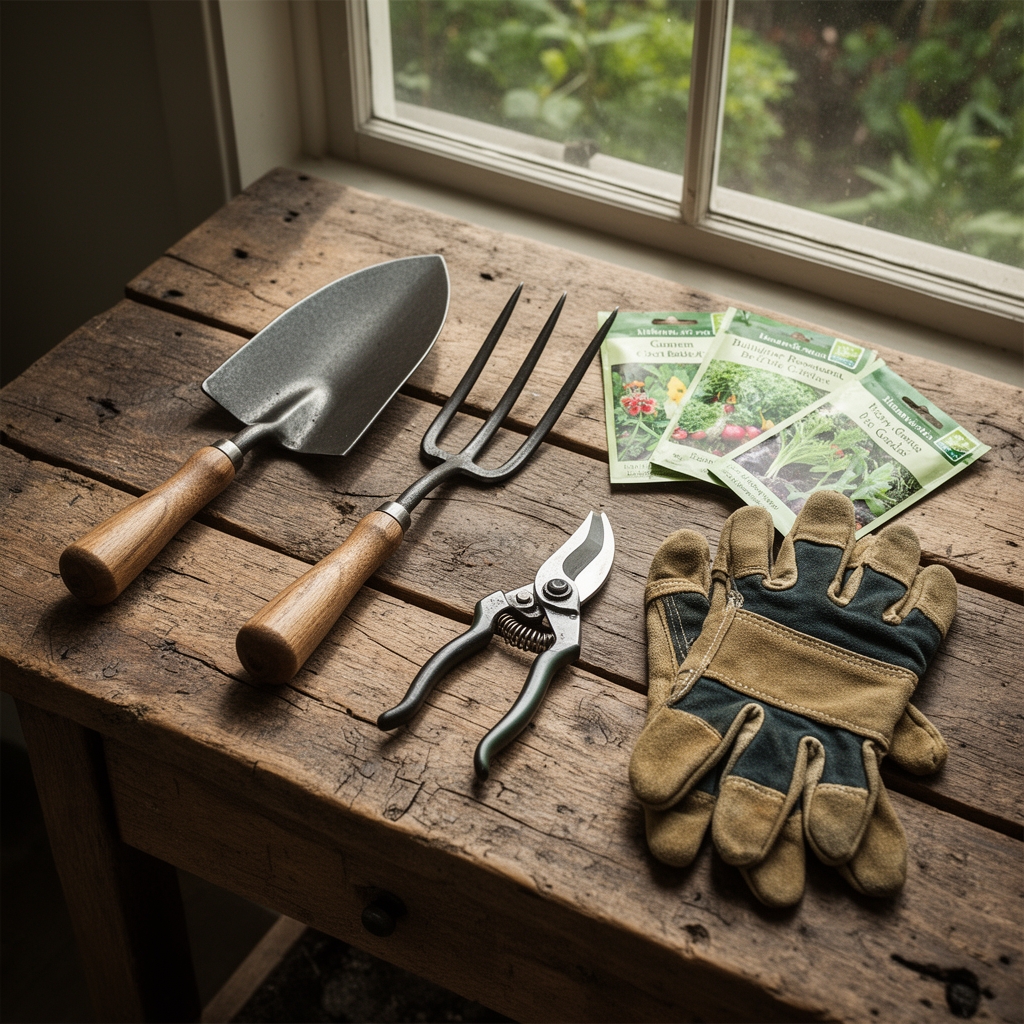
Pressure-treated lumber rated for ground contact (ACQ copper azole) ensures 15-20 year longevity in moist vegetable garden environments. Select 4×4 posts for abutments, 2×8 joists for structural spans up to 8 feet, and 2×6 decking boards spaced 1/4 inch apart for drainage and debris passage.
Cedar or redwood alternatives resist decay naturally without chemical treatment, preferable where soil pH hovers near neutral (6.5-7.0) and organic amendments dominate. These softer woods require 5×5 posts for equivalent load bearing.
Galvanized joist hangers, 3-inch exterior screws, and carriage bolts with washers distribute load evenly across connections. Stainless steel fasteners prevent rust staining on adjacent kale or chard leaves from runoff.
Concrete footings extending 18 inches below grade (below frost line in Zones 3-6) prevent heaving that would misalign the structure and create trip hazards during spring cultivation. Mix concrete to a 3000 psi specification, approximately equivalent to a 0-0-0.5 calcium carbonate contribution to surrounding soil as it slowly weathers.
Pea gravel base layers improve drainage beneath footings, preventing waterlogging that encourages fungal growth on wood members. This inert material maintains soil cation exchange capacity without altering existing nutrient profiles.
Timing
Construct bridges during late summer (Zones 3-7: August; Zones 8-10: September) when soil moisture content stabilizes and root systems enter dormancy. Vegetable crops have established root networks that tolerate minor disturbance from footing excavation.
Early spring construction risks compacting saturated soil, reducing pore space that mycorrhizal fungi colonize. Wet clay soils in Zones 5-6 require 14-21 days of dry weather before safe excavation.
Install footings 4-6 weeks before first fall frost. Concrete requires 28 days to cure fully, achieving maximum compressive strength before freeze-thaw cycles begin.
In arid Zones 9-10, winter construction (November-January) avoids heat stress on the builder and prevents rapid moisture loss from fresh concrete, which can compromise structural integrity.
Phases

Site Preparation
Mark bridge alignment with stakes and string, positioning the structure to follow existing access patterns. Maintain 24-inch clearance above soil or mulch surface to accommodate mature broccoli heads (18-20 inches) and allow air circulation that reduces downy mildew pressure.
Excavate footing holes using a post-hole digger, preserving topsoil separately from subsoil. This stratification allows proper layer restoration after footing installation, maintaining the A-horizon organic matter and beneficial organism populations.
Pro-Tip: Apply granular sulfur (2 oz per cubic foot of backfill) around footings if your soil pH exceeds 7.5. This gradual acidification over 6-8 months benefits adjacent acid-loving crops like potatoes without shocking established plants.
Foundation Installation
Pour concrete footings level with one another using a 4-foot spirit level and taut string line. Embed galvanized post anchors while concrete remains plastic, positioning them 1/8 inch above finished grade to prevent water pooling.
Set 4×4 posts vertically in anchors, bracing them with diagonal 2×4 supports staked into firm ground. Verify plumb with a 2-foot level on adjacent faces before fastening anchor bolts.
Pro-Tip: Coat the bottom 6 inches of each post with copper naphthenate wood preservative, even on pressure-treated lumber. This secondary barrier extends service life by 40 percent in high-moisture vegetable garden microclimates.
Structural Assembly
Attach 2×8 rim joists to posts using 1/2-inch carriage bolts, positioning the top edge 24 inches above grade. Install intermediate joists at 16-inch centers using galvanized joist hangers, creating a support grid that distributes loads exceeding 300 pounds per square foot.
Fasten 2×6 decking perpendicular to joists with two 3-inch screws at each joist intersection. Maintain 1/4-inch gaps between boards to shed irrigation water and allow auxin-rich plant exudates to reach soil without concentrating on wood surfaces.
Pro-Tip: Alternate decking board crown orientation (some crowned up, some down) to create a self-leveling surface as wood weathers. This technique compensates for uneven drying rates across the 5.5-inch board width.
Finishing Details
Install 32-inch railings if bridge height exceeds 30 inches or if young children access the garden. Use 2×4 top rails and 2×2 balusters spaced no more than 4 inches apart.
Apply clear penetrating oil finish to cedar or redwood structures. This breathable coating allows moisture vapor transmission while slowing UV degradation that turns wood gray and brittle.
Pro-Tip: Rub garlic oil on railing undersides to deter carpenter ants. The allicin compound repels these pests for 6-8 weeks without introducing synthetic chemicals near edible crops.
Troubleshooting
Symptom: Wood warping or cupping within first season.
Solution: Boards were installed wet. Remove affected decking, dry indoors for 3-4 weeks until moisture content drops below 12 percent (verify with moisture meter), then reinstall with crown side up.
Symptom: Posts leaning or footings heaving after winter.
Solution: Footings installed above frost line. Excavate around posts in spring, extend footings 6 inches deeper, and backfill with well-tamped gravel. Reset posts plumb.
Symptom: Green algae coating on north-facing deck surfaces.
Solution: Insufficient air circulation. Prune overhanging branches to increase direct sunlight to 4+ hours daily. Scrub surface with 1:10 vinegar solution monthly during humid periods.
Symptom: Fasteners loosening, creating squeaks and movement.
Solution: Wood shrinkage during dry seasons. Retighten all screws and bolts each spring using a cordless drill at low torque setting. Replace any corroded fasteners immediately.
Symptom: Termite mud tubes appearing on post surfaces.
Solution: Apply borate solution (8 oz disodium octaborate tetrahydrate per gallon water) to all wood surfaces. Reapply annually in Zones 7-10 where subterranean termites remain active year-round.
Maintenance
Sweep bridge decking weekly during growing season to prevent organic debris accumulation that holds moisture against wood and creates slip hazards. A stiff-bristle push broom removes 95 percent of leaf matter and soil particles.
Apply penetrating oil finish every 18 months on cedar or redwood structures, increasing to annual application in Zones 9-10 where UV intensity accelerates weathering. Use 1 gallon per 200 square feet of surface area.
Inspect joist hangers and connection points each spring for rust or deformation. Replace any hardware showing surface rust that penetrates through galvanized coating, typically after 8-10 years in humid climates.
Tighten all bolts to 30 foot-pounds torque annually using a calibrated torque wrench. Wood compression over time loosens connections that were initially secure.
Trim vegetation 18 inches away from all bridge components. Direct contact with tomato foliage or squash vines transfers moisture to wood, accelerating decay and providing pathways for boring insects.
FAQ
How wide should a garden bridge be for wheelbarrow access?
A 36-inch clear width accommodates standard wheelbarrows (24-inch bucket width) with 6 inches clearance per side. Increase to 42 inches for two-wheeled garden carts.
Can I use reclaimed wood pallets for bridge construction?
Avoid pallet lumber for structural components. These boards are grade-stamped for static warehouse loads, not dynamic human traffic, and may contain methyl bromide fumigation residues harmful near food crops.
What span length requires center support posts?
Spans exceeding 8 feet with 2×8 joists at 16-inch centers require mid-span posts or beams. Calculate exact spans using span tables for your specific lumber species and load requirements.
Should bridges over annual beds be portable?
Fixed structures prove more practical. Portable bridges create compaction zones at variable locations and lack the stability for safe season-long use. Position permanent bridges where access needs remain constant across crop rotations.
How do I prevent soil compaction beneath the bridge structure?
Compaction occurs only at footing locations (approximately 2 square feet total). Amend these zones with coarse sand and compost at a 1:1 ratio after construction, then plant shallow-rooted herbs like thyme that tolerate reduced pore space.