10 Vibrant Ways How to Landscape with Tropical Plants
The scent of anaerobic decomposition in waterlogged soil serves as a warning; the smell of healthy, damp earth rich in actinomycetes signifies a thriving rhizosphere. Understanding how to landscape with tropical plants requires more than aesthetic placement. It demands mastery over turgor pressure and the metabolic rates of broad-leafed species. These plants function as high-output biological engines that require precise environmental inputs to maintain structural integrity and cellular hydration in non-native environments.
Success depends on replicating the high-humidity, high-light conditions of the equatorial belt while managing the physical constraints of your specific site. You are not merely planting; you are engineering a microclimate. Every Alocasia or Heliconia you install represents a calculated risk against ambient humidity levels and soil temperature minimums. To achieve professional results, you must prioritize the physiological needs of the plant over the visual desires of the designer. A plant in distress cannot contribute to a landscape.
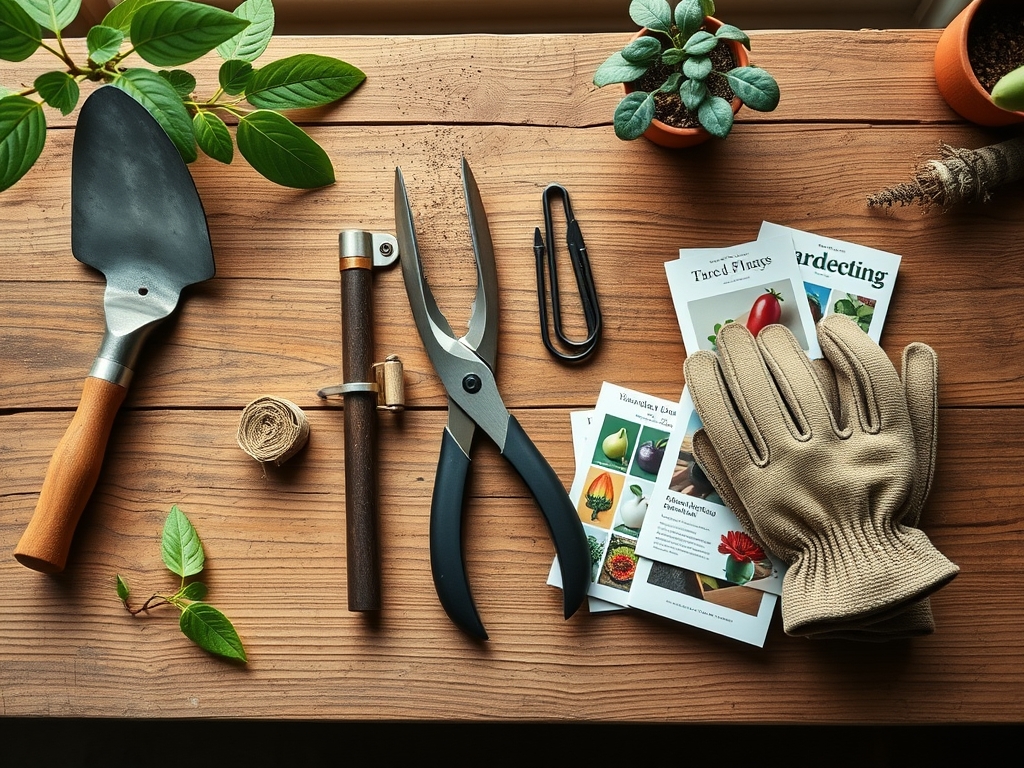
Materials:
The foundation of a tropical installation is the substrate. Most tropical species require a pH range of 5.5 to 6.5 to ensure maximum nutrient availability. High alkalinity often leads to iron sequestration, resulting in interveinal chlorosis. The ideal substrate is a friable loam with high organic matter content to facilitate a high Cation Exchange Capacity (CEC). This allows the soil to hold onto essential cations like Calcium (Ca2+) and Magnesium (Mg2+).
For fertilization, utilize a 3-1-2 NPK ratio (such as 15-5-10) during the active growing season. Tropicals are heavy nitrogen consumers due to their massive leaf surface area. Incorporate coarse perlite or horticultural charcoal to maintain a macropore space of 20 percent, ensuring oxygen reaches the root zone even during heavy irrigation. Avoid heavy clays that collapse and suffocate the roots.
Timing:
Tropical landscaping is governed by the 15 degree Celsius (60 degree Fahrenheit) threshold. In USDA Hardiness Zones 9 through 11, planting can occur year-round, but in Zones 8 and below, the window is strictly limited to the period between the last spring frost and the first autumn chill. The biological clock of these plants is dictated by the photoperiod; as day length increases, the plant shifts from maintenance to aggressive vegetative expansion.
Wait until soil temperatures consistently reach 18 degrees Celsius (65 degrees Fahrenheit) before transplanting. Cold soil inhibits the uptake of phosphorus, leading to stunted growth and purple-tinged foliage. Monitor the transition from the vegetative stage to the reproductive stage, as many tropicals like Canna or Strelitzia will require increased potassium (K) levels once they begin flower initiation to support the metabolic cost of bloom production.
Phases:
Sowing and Propagation
While many tropicals are purchased as specimens, starting from seed or rhizome division requires precision. Seeds of many tropical species are recalcitrant, meaning they lose viability if they dry out. Maintain a constant bottom heat of 24 to 27 degrees Celsius using a germination mat.
Pro-Tip: Utilize a rooting hormone containing Indole-3-butyric acid (IBA) for cuttings. This triggers auxin-induced cell division, forcing the undifferentiated parenchyma cells to become root tissue rather than continuing leaf production.
Transplanting
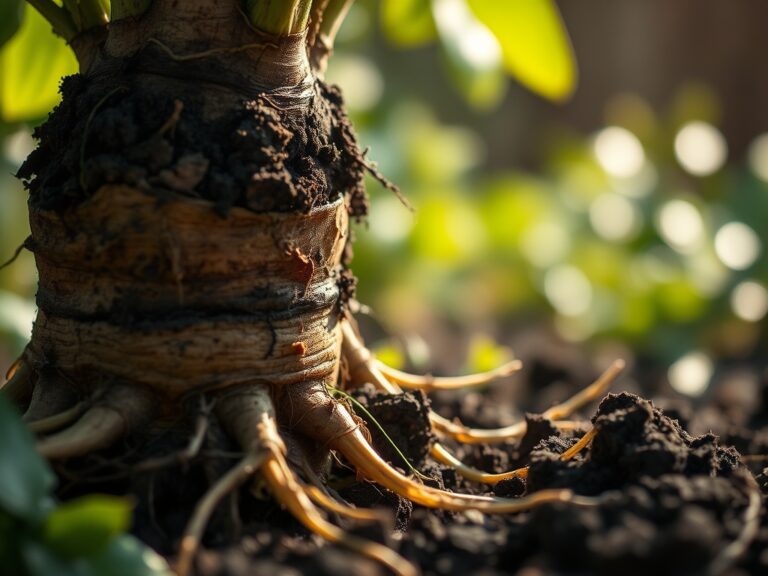
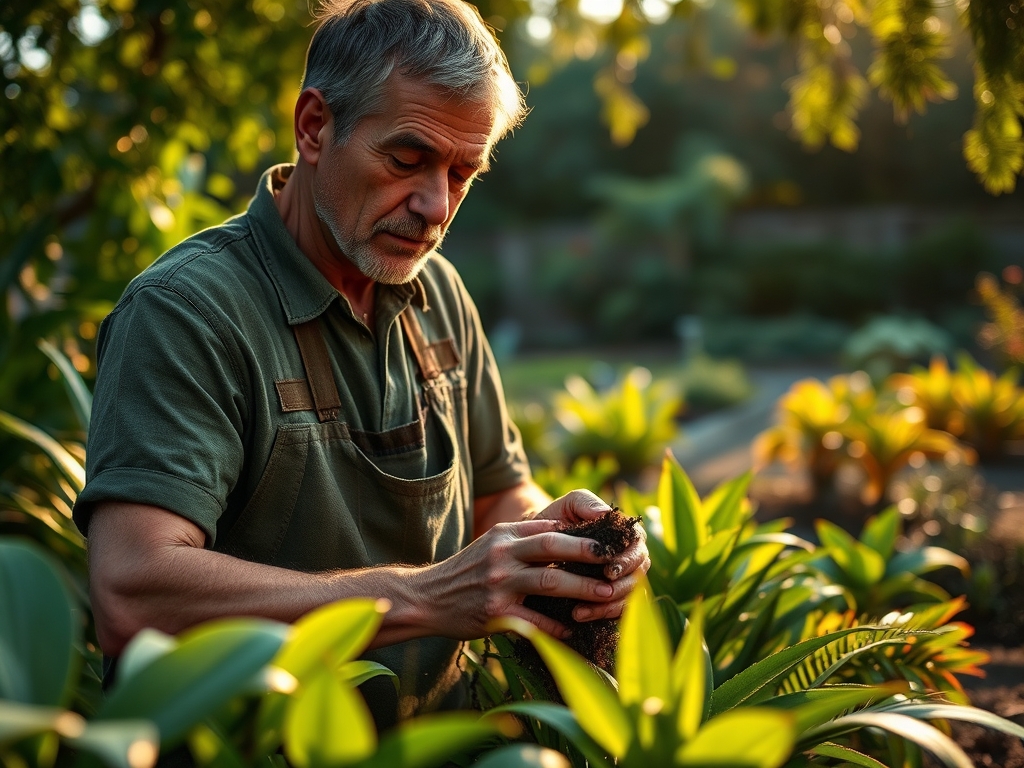
When moving a plant from a container to the ground, dig a hole twice the width of the root ball but no deeper. Deep planting can lead to stem rot at the soil line. Ensure the root flare is visible at the surface.
Pro-Tip: Inoculate the planting hole with endomycorrhizal fungi. This establishes a symbiotic relationship where the fungi extend the reach of the root system, increasing the surface area for water and phosphorus absorption by up to 1,000 percent.
Establishing
The first 90 days are critical for establishing hydraulic conductivity between the root ball and the surrounding native soil. Water the plant deeply every two days to prevent the root ball from shrinking away from the backfill.
Pro-Tip: Avoid heavy pruning during the establishment phase. Leaves produce the carbohydrates necessary for root growth; removing too much foliage triggers apical dominance suppression, slowing the overall development of the plant as it struggles to recover its photosynthetic capacity.
The Clinic:
Physiological disorders in tropical plants often mimic pathogen attacks. Observe the leaf margins and coloration to diagnose issues before they become terminal.
Symptom: Marginal leaf burn (necrosis on the edges).
Solution: This typically indicates high salt accumulation or "tip burn" from fluoride in municipal water. Flush the soil with three volumes of water per one volume of soil to leach excess salts.
Symptom: Interveinal chlorosis (yellowing between green veins).
Solution: This is a classic sign of Iron or Manganese deficiency. Apply a chelated micronutrient spray directly to the foliage for rapid absorption, as soil-based minerals may be locked out by high pH.
Symptom: Drooping leaves despite wet soil.
Solution: Root rot (Phytophthora). The roots have lost the ability to transport water due to fungal decay. Use a soil moisture meter to ensure the top two inches of soil dry out between waterings.
Fix-It for Nitrogen Chlorosis: If older leaves turn uniform pale yellow, apply a high-nitrogen liquid fertilizer. Nitrogen is a mobile nutrient; the plant will "cannibalize" it from old growth to support new shoots.
Maintenance:
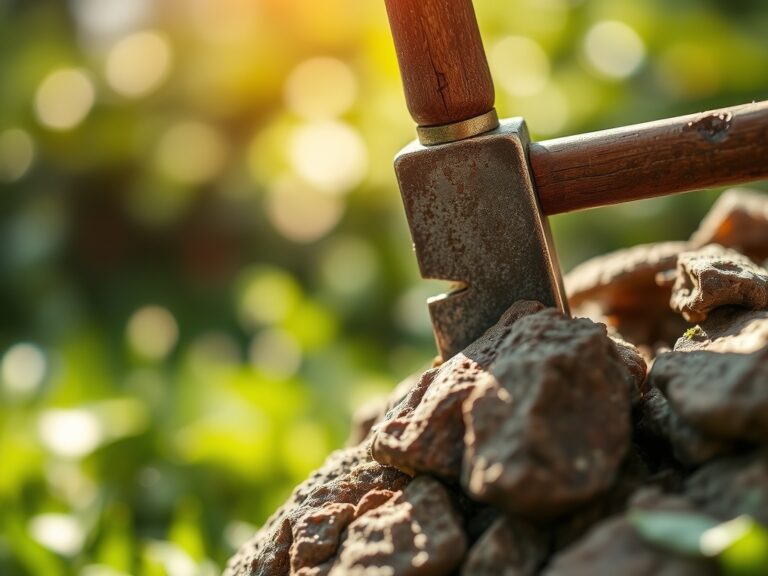
Precision maintenance is the difference between a jungle and a graveyard. Provide 1.5 inches of water per week delivered at the drip line rather than the base of the trunk to encourage outward root expansion. Use a hori-hori knife to remove invasive weeds without disturbing the shallow feeder roots of your tropicals.
Pruning should be done with sharp bypass pruners to ensure clean cuts that callus quickly. For large palms or bananas, remove only the completely brown fronds; cutting green tissue prematurely robs the plant of potassium, which it recycles from aging leaves. Use a soil moisture meter weekly to calibrate your irrigation system against seasonal evaporation rates. Mulch with three inches of arborist chips to suppress weeds and maintain soil temperature stability.
The Yield:
For those landscaping with edible tropicals like Ginger, Turmeric, or Bananas, timing the harvest is essential for flavor and shelf life. Harvest rhizomes when the foliage begins senescence (natural yellowing and dying back), which indicates the plant has moved its energy reserves underground.
For floral yields like Ginger lilies or Bird of Paradise, cut the stems early in the morning when turgor pressure is at its peak. Immediately submerge the cut ends in 40-degree Celsius water to break any air embolisms in the xylem. This technique ensures "day-one" freshness and extends the vase life by up to five days by maintaining the hydraulic column within the stem.
FAQ:
How often should I water tropical plants?
Provide 1 to 1.5 inches of water weekly. Use a rain gauge to track precipitation. Adjust based on soil drainage; sandy soils require more frequent, shorter intervals, while loamy soils benefit from deep, once-weekly soakings to encourage deep root systems.
Can tropical plants survive a light frost?
Most tropicals suffer cellular damage at 0 degrees Celsius (32 degrees Fahrenheit). If frost is predicted, cover plants with a breathable fabric to trap ground heat. Do not use plastic, as it transfers cold directly to the foliage.
What is the best fertilizer for lush green leaves?
Use a fertilizer with a high Nitrogen (N) value, such as a 24-8-16 blend. Nitrogen is the primary component of chlorophyll. Apply every 4 to 6 weeks during the peak growing season when temperatures are above 20 degrees Celsius.
Why are my tropical plant leaves turning brown at the tips?
This is often caused by low ambient humidity or salt buildup from tap water. Increase local humidity by grouping plants together or use captured rainwater to flush the soil and prevent mineral toxicity in the leaf tissue.