9 Pro Tips How to Grow Echinacea Flowers
The scent of damp, mineral-rich earth signals the start of the planting season when the soil temperature hits a consistent 65 degrees Fahrenheit. Success in learning how to grow echinacea flowers depends on understanding the physiological requirements of the Asteraceae family. A healthy specimen exhibits high turgor pressure; its leaves remain rigid and perpendicular to the stem rather than drooping. These perennials require deep taproot development and specific metabolic triggers to transition from a dormant seed to a flowering powerhouse.
Materials:
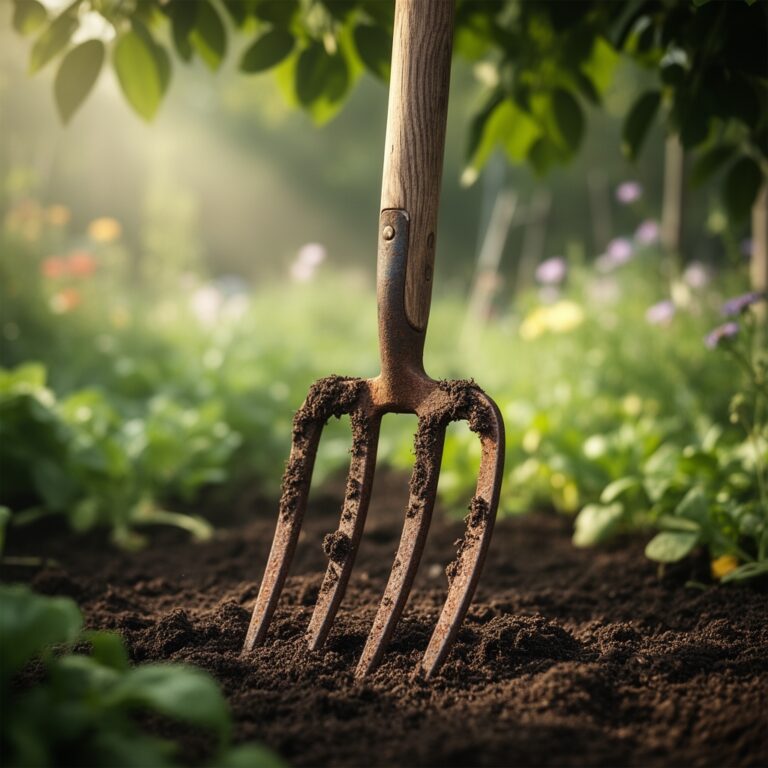
Echinacea thrives in a **friable loam** with a gritty texture that facilitates rapid drainage. The ideal substrate must have a **Soil pH between 6.0 and 7.0**. High clay content leads to root hypoxia; conversely, pure sand lacks the necessary Cation Exchange Capacity (CEC) to hold nutrients.
Before planting, incorporate organic matter to achieve a balanced NPK ratio of 10-10-10 for initial establishment. However, once the plant reaches the reproductive phase, shift toward a 5-10-10 ratio. High phosphorus levels are critical for ATP production and robust floral development. Ensure the soil has a high concentration of calcium and magnesium to prevent cellular wall collapse during peak summer heat.
Timing:
Echinacea is hardy in USDA Zones 3 through 9. The biological clock of this genus is dictated by the photoperiod and vernalization. Most species require a period of cold stratification; at least 4 to 6 weeks of temperatures below 40 degrees Fahrenheit; to break seed dormancy.
In spring, wait until the danger of frost has passed and the soil consistently maintains 60 to 70 degrees Fahrenheit. The transition from the vegetative stage (leaf production) to the reproductive stage (flowering) occurs as day length increases. If you plant too late in the summer, the plant will focus on root biomass rather than blooms, leading to a missed flowering season.
Phases:

Sowing
Seeds should be sown at a depth of 1/8 inch. They require a small amount of light to trigger germination. Keep the medium consistently moist but not saturated to avoid fungal damping-off.
Pro-Tip: Utilize a light dusting of vermiculite over the seeds. This maintains humidity while allowing light penetration. The Biological Why involves phytochrome receptors in the seed coat that detect specific light wavelengths to initiate the metabolic shift from storage to growth.
Transplanting
When seedlings develop two sets of true leaves, they are ready for the field. Space plants 18 to 24 inches apart to ensure adequate airflow and reduce the risk of powdery mildew.
Pro-Tip: Inoculate the root zone with mycorrhizal fungi during transplanting. The Biological Why is rooted in symbiosis; the fungi extend the root system's reach into the rhizosphere, increasing the uptake of immobile nutrients like phosphorus and zinc.
Establishing
During the first six weeks, the plant establishes its primary taproot. Avoid heavy fertilization during this window to prevent salt burn on tender new root hairs.
Pro-Tip: Pinch off any early flower buds that appear in the first two months. The Biological Why involves auxin suppression. By removing the apical meristem of the flower, you redirect the plant's energy and growth hormones toward root and foliage development, ensuring a more resilient plant in subsequent years.
The Clinic:
Physiological disorders often mimic disease. Use this diagnostic guide to identify and correct issues.
Symptom: Yellowing of older leaves while veins remain green (Interveinal Chlorosis).
Solution: This indicates a Magnesium deficiency. Apply Epsom salts (magnesium sulfate) at a rate of 1 tablespoon per gallon of water.
Symptom: General yellowing of new growth and stunted height.
Solution: This is Nitrogen chlorosis. Apply a quick-release liquid fertilizer with a higher first NPK number, such as a 15-5-5, to restore chlorophyll production.
Symptom: Purple tinting on the underside of leaves.
Solution: This signals Phosphorus deficiency, often caused by cold soil temperatures that inhibit nutrient uptake. Increase soil temperature with mulch or wait for seasonal warming.
Fix-It Section: For pH imbalances, use pelletized lime to raise pH or elemental sulfur to lower it. Always conduct a professional soil test before making drastic chemical adjustments to the CEC.
Maintenance:
Precision is required for long-term health. Use a soil moisture meter to ensure the root zone stays within the 40% to 60% moisture range. Echinacea requires approximately 1.5 inches of water per week at the drip line. Avoid overhead irrigation; moisture on the foliage encourages fungal pathogens.
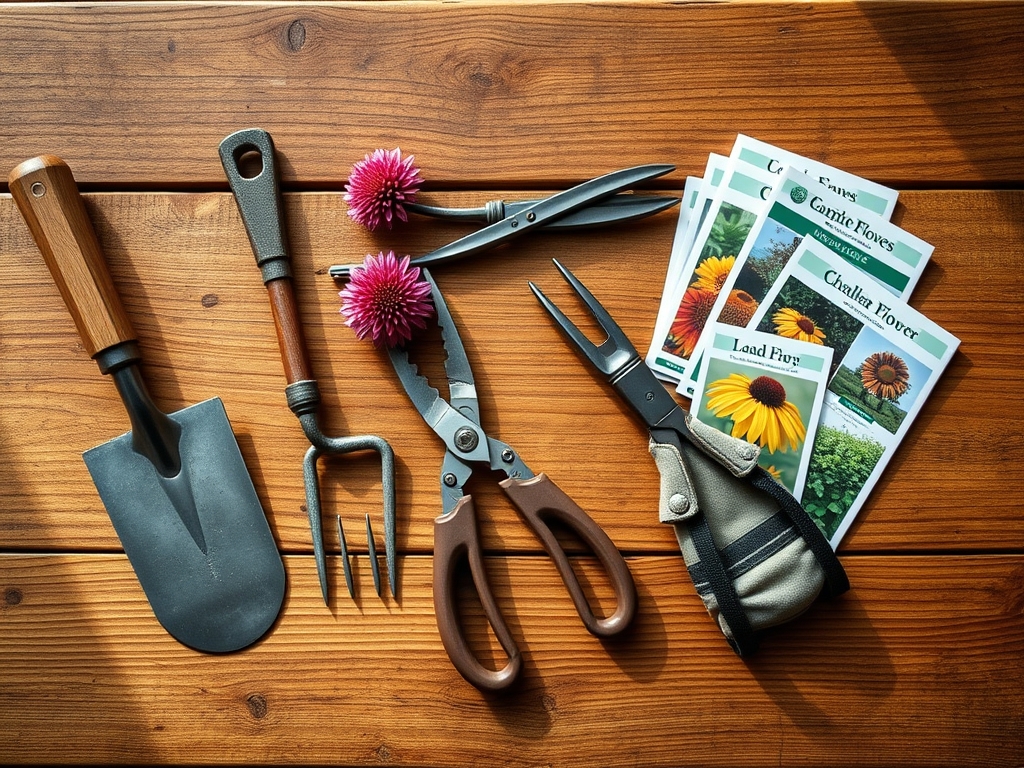
Use a hori-hori knife to remove deep-rooted weeds that compete for nutrients. In mid-summer, use bypass pruners to deadhead spent blooms. Make the cut just above the first set of leaves below the flower head. This prevents the plant from entering senescence (the aging process leading to seed production) and encourages a second flush of flowers.
The Yield:
Harvesting for floral displays should occur when the petals are just beginning to expand, but the central cone is still tight. This ensures maximum vase life.
Use sharp, sterilized shears to cut the stem at a 45-degree angle. Immediately plunge the stems into 110-degree Fahrenheit water (the "hardening" process). This reduces air embolisms in the xylem, maintaining hydraulic conductivity and ensuring "day-one" freshness for up to 10 days. If harvesting for seeds, allow the cones to turn completely brown and dry on the stalk before extraction.
FAQ:
How much sun does Echinacea need?
Echinacea requires a minimum of 6 to 8 hours of direct solar radiation daily. Insufficient light leads to "leggy" stems and reduced floral diameter because the plant cannot produce enough carbohydrates through photosynthesis to support heavy blooms.
Why are my Echinacea flowers drooping?
Drooping is usually a loss of turgor pressure due to underwatering or extreme heat. If the soil is wet and the plant still droops, check for root rot or vascular wilt, which prevents water from moving up the xylem.
Do I need to mulch my plants?
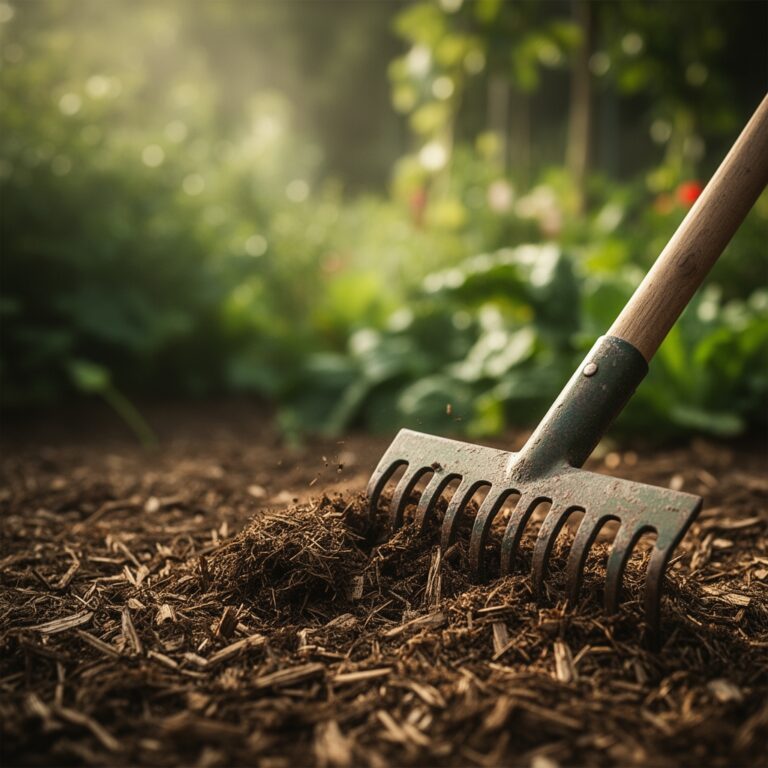
Apply 2 inches of organic mulch (like shredded bark) around the base. This regulates soil temperature, reduces evaporation, and prevents competitive weed growth. Keep mulch 1 inch away from the main stem to prevent crown rot.
When should I divide Echinacea?
Divide every 3 to 4 years in early spring. Use a sharp spade to lift the entire root ball. Dividing prevents overcrowding and ensures the center of the plant does not become necrotic due to nutrient depletion in the immediate rhizosphere.